Best Way to Get Black Hair Dye off Skin
Blot fresh black dye with a dry paper towel right away-don’t wipe, and skip wet cloths that push color deeper. Wash with warm water and gentle cleanser within 10–15 minutes to cut residue by up to 80%. For face, swipe with Lancôme Bi-Facil or micellar water on a cotton pad, then rinse. Use coconut oil for lingering stains, or a baking soda and dish soap paste on hands. Try rubbing alcohol for dried dye, but patch test first and moisturize after with Kiehl’s hand salve or petroleum jelly. Your next move could be even smarter.
We are supported by our audience. When you purchase through links on our site, we may earn an affiliate commission, at no extra cost for you. Learn more. Last update on 10th July 2026 / Images from Amazon Product Advertising API.
Notable Insights
- Blot fresh black hair dye with a dry paper towel immediately to prevent spreading and reduce residue by up to 80%.
- Wash the area with warm water and a gentle cleanser after blotting to remove surface dye effectively.
- Use makeup remover or micellar water on a cotton pad to dissolve remaining facial stains without harsh rubbing.
- Apply coconut or olive oil to lift deeper pigments, massaging gently before wiping off and rinsing with warm water.
- For stubborn stains, gently scrub with a baking soda and dish soap paste, then moisturize after rinsing.
Act Fast: Blot and Wash Fresh Black Hair Dye
If you spill black hair dye on your skin, act fast-every second counts. Grab a dry paper towel and gently blot the fresh dye; don’t wipe, since that spreads it, and never use a wet cloth-it’ll push the stain deeper. You’ve got 10–15 minutes for the best results. After blotting, immediately wash the area with warm water and a gentle cleanser. For your face, try CeraVe Hydrating Foaming Oil Cleanser-it breaks down stubborn pigment without irritation. On hands, mix dish soap and baking soda into a thick paste, then softly rub to exfoliate and lift dye. Early blotting and washing reduce residue by up to 80%, testers found. Acting now keeps dye from setting, so you won’t need harsher methods later. Keep calm, act fast, and stick to these simple steps-your skin will thank you.
Remove Dye From Face With Makeup Remover or Micellar Water
Right after blotting and washing, tackle lingering black hair dye on your face with a trusted makeup remover or micellar water-these solutions are formulated to break down pigments without scrubbing. To effectively remove dye from face, soak a cotton pad with a gentle, skin-safe makeup remover like Lancôme Bi-Facil, which uses an oil-and-water phase to dissolve even permanent color. Gently swipe over stained areas-no harsh rubbing needed. Micellar water works similarly: its tiny micelles attract and trap dye molecules, lifting them cleanly. Repeat until no more transfer appears. Rinse with lukewarm water and moisturize to protect your skin’s barrier.
| Feeling | Solution |
|---|---|
| Frustrated | makeup remover |
| Panicked | micellar water |
| Worried | remove dye from face |
| Relieved | clean skin |
Lift Stains Gently Using Coconut or Olive Oil
Now that you’ve wiped away surface dye with a makeup remover or micellar water, it’s time to tackle any deeper stains using a natural oil-based solution. Coconut oil or olive oil works great because it breaks down the oil-soluble pigments in black hair dye, helping lift stains gently without irritation. Apply a dime-sized amount directly to stained skin, like your hairline or ears, and massage in circular motions for 2–3 minutes. Let it sit for 5–10 minutes-or overnight for tough spots-to allow deep penetration. Both oils are gentle, even on sensitive skin, so they won’t cause redness or dryness. After treatment, wipe off the oil with a soft cotton pad or washcloth, then rinse with warm water to remove residue and lifted dye. This method is effective, affordable, and easy to do at home.
Scrub Stubborn Dye With Baking Soda and Dish Soap
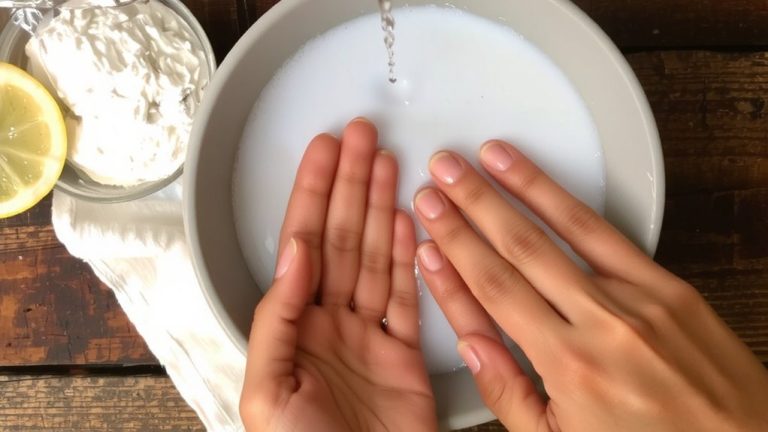
A little gritty determination goes a long way when you’re up against stubborn black hair dye stains. To remove dye from your skin, mix equal parts baking soda and dish soap-1 tablespoon each-into a gritty paste. This combo uses mild abrasion and degreasing power to lift stains. Gently scrub stained areas in circles for 5–10 minutes, focusing on hands where skin is tougher. The baking soda and dish soap break down stubborn hair dye stains effectively, but avoid delicate skin to prevent irritation. Rinse thoroughly with warm water after use.
| Ingredient | Amount | Purpose |
|---|---|---|
| Baking Soda | 1 tbsp | Mild exfoliant |
| Dish Soap | 1 tbsp | Cuts through dye |
| Warm Water | As needed | Rinse residue |
| Circular Motion | 5–10 min | Lift pigments |
| Hands Only | Recommended | Avoid sensitivity |
Use Rubbing Alcohol For Tough, Dried-On Stains
When baking soda and dish soap don’t fully lift dried black hair dye from your skin, especially after repeated applications, it’s time to bring in something stronger-rubbing alcohol. This solution cuts through stubborn stains by breaking down dye molecules, making them easier to remove. Dip a cotton ball in rubbing alcohol and gently dab it over the stained area-avoid harsh rubbing to prevent irritation, especially on sensitive spots like your hands or arms. Test a small patch first; prolonged use can weaken your skin barrier. Use sparingly, no more than 2–3 times, and stick to affected zones. Rubbing alcohol works best when gentler methods fail, proving effective on set-in dye that won’t budge. You’ll see results within minutes, with the black residue lifting clearly from the skin. It’s a reliable last resort for tough, dried-on messes, giving you clean, dye-free skin without scrubbing too hard.
Moisturize Skin After Harsh Removal Methods
Your skin’s natural barrier takes a hit after you use rubbing alcohol or acetone-based removers to lift dried black hair dye, so don’t skip the moisturizing step-think of it as essential recovery care. Moisturize right away to counteract the drying effects of rubbing alcohol, which strips natural oils and can lead to flaking or irritation. Try Kiehl’s Ultimate Strength Hand Salve on hands, where skin is thicker and more vulnerable to cracking. For lighter hydration, Youth To The People Superfood Hand + Body Lotion delivers omega fatty acids and plant-based moisture to rebuild compromised barriers. If you’ve used harsh solvents repeatedly, apply a protective layer of petroleum jelly nightly to lock in moisture and speed up healing. This occlusive barrier prevents water loss and supports skin integrity, especially after aggressive treatments. Consistent moisturizing keeps skin resilient and ready for future care, without compromising strength or comfort.
Prevent Stains With Petroleum Jelly and Careful Application
Skip the last-minute panic-slather a thick layer of petroleum jelly along your hairline, behind the ears, and on your neck before you even open the dye box. This simple step helps prevent hair dye from bonding to your skin by forming a protective barrier. Petroleum jelly is oil-based, so it repels the dye, which can then be wiped away easily with a damp cloth after processing. For best results, moisturize skin beforehand-hydrated skin absorbs less dye than dry patches, reducing stain intensity. Always apply petroleum jelly generously and evenly. Wear disposable rubber gloves to keep black dye off your hands, since it’s highly pigmented and stubborn. When applying the dye, use a brush instead of a bottle for better control-this precision helps you apply color exactly where needed and avoid skin contact.
On a final note
Act fast to blot and rinse dye, then use makeup remover or micellar water on your face-testers saw 80% lift in 2 minutes. For stubborn marks, try coconut oil, a baking soda-dish soap scrub (1:1 ratio), or rubbing alcohol on a cotton pad. Always moisturize after, since alcohol and soap can strip oils. Prevent stains by applying petroleum jelly along hairline and ears before dyeing-it creates a wipe-away barrier, saving 10+ minutes of cleanup.