Taming Curved Toenails Growing Into Flesh Using Splinting Methods
You can stop curved toenails from digging into your skin using splinting methods like cotton wicks, gutter tubes, or braces. Soak your toe first, then gently lift the edge with an alcohol-soaked cotton thread (2–3 cm) or a smooth gutter splint. For lasting correction, try the KD Device, an FDA-approved brace that flattens pincer nails over 6–12 weeks. Bracing reshapes growth; cotton offers temporary relief. You’ll see real improvement when you know which option fits your nail’s curve and lifestyle.
We are supported by our audience. When you purchase through links on our site, we may earn an affiliate commission, at no extra cost for you. Learn more. Last update on 22nd June 2026 / Images from Amazon Product Advertising API.
Notable Insights
- Splinting lifts ingrown toenail edges to prevent penetration and promote proper nail growth above the skin.
- Gutter splints use smooth tubes to quickly relieve pressure by elevating the nail edge off the flesh.
- Cotton wick splints temporarily lift the nail but require daily replacement and precise sulcus placement.
- Bracing with devices like the KD Device corrects chronic curvature by reshaping the nail over weeks.
- Proper home care with soaking and splinting helps, but professional treatment is essential for persistent or infected cases.
What Causes Curved Toenails to Become Ingrown?
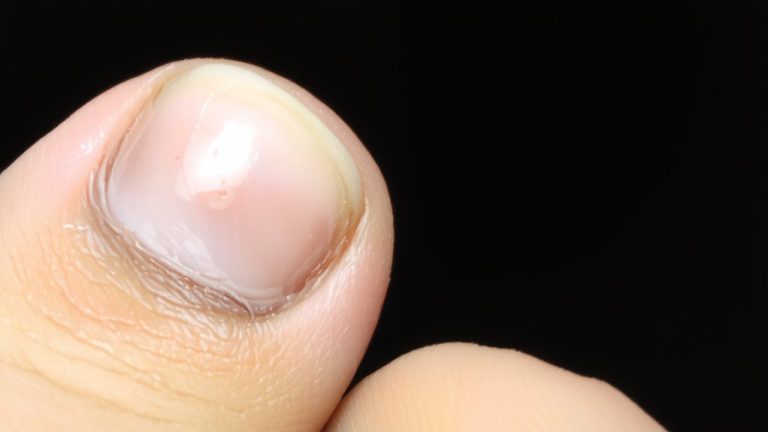
A naturally curved toenail might not seem like a problem at first, but when that curve tightens over time, it can start digging into the skin along the sides of your toe-especially if you’re wearing narrow shoes that push the flesh up around the nail. Your nail grows forward, and with pincer toenails or hereditary curvature, the edges press deeper into the lateral nail fold, making an ingrown toenail more likely. Tight footwear squeezes the toe, forcing soft tissue against the nail edge, while bone spurs or thickening worsen the curve. Even minor trauma or clipping too short can let the nail penetrate the skin. Over time, pressure builds, inflammation follows, and infection becomes a real risk. Proper shoe width-think 3–5 mm past your longest toe-and correct trimming reduce strain. Early signs? Redness, swelling, pain-don’t ignore them.
How Splinting Treats Ingrown Toenail Growth
So, how do you stop that sharp nail edge from digging in deeper? Splinting treats ingrown toenails by gently lifting the offending corner so it grows above the skin instead of into it. You’ve probably tried cutting it back, but that’s just a quick fix-it doesn’t change the growth path. With a gutter splint, a tiny, smooth tube placed by a podiatrist, the nail edge is elevated just enough to reduce pressure and guide regrowth safely. Cotton wick splints, about 2–3 cm long and soaked in alcohol, work similarly when tucked under the sulcus with a curved hemostat. Both methods create space, relieve pain, and encourage the nail to extend past the fold. Unlike trimming, splinting addresses mechanical stress head-on. Used consistently for up to 3 months, these supports offer lasting relief, letting your nail grow out cleanly, and keeping irritation at bay.
Cotton, Tape, or Brace: Which Splint Works Best?
How do you choose the right splint when every option seems to promise relief? When comparing cotton, tape, and brace methods, effectiveness varies. Cotton wick splinting uses a 2–3 cm alcohol-soaked roll under the nail edge-easy but temporary, requiring daily upkeep. Taping pulls skin away with adhesive elastic strips, reapplied weekly, easing pain short-term. But for lasting change, a brace like the FDA-approved KD Device straightens pincer nails by flattening the curve over weeks, correcting the shape without surgery.
| Method | Effectiveness & Duration |
|---|---|
| Cotton | Temporary relief, daily maintenance |
| Tape | Short-term, weekly reapplication |
| Brace | Long-term correction, weeks to months |
| KD Device | Non-surgical, matrix splinting |
Gutter Splint vs. Bracing: What’s Best for Ingrown Nails?
You’ve weighed cotton, tape, and braces for curved toenails, and now it’s time to tackle the real issue when that curve turns painful-ingrown nails. If you’re dealing with an ingrown nail, a gutter splint might be your go-to for fast relief. This small, smooth tube lifts the nail edge off the skin, preventing further digging and allowing healing-ideal for moderate, recurring cases, often applied in-office. But if you want long-term correction, bracing is stronger. Bracing, or orthonychia, uses flexible metal or plastic devices bonded to the nail to gently reshape its curve over weeks. While a gutter splint offers temporary support, bracing targets the root cause, especially for pincer or chronically curved nails. For lasting results, bracing beats the gutter splint-correcting the nail’s path, not just symptoms.
How to Apply an Ingrown Toenail Splint at Home
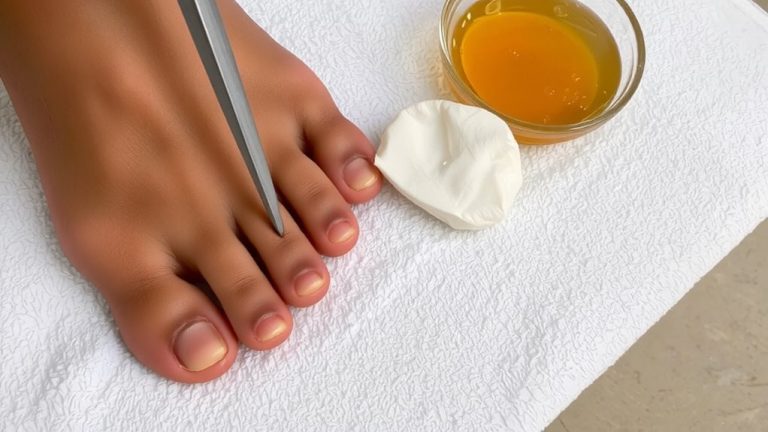
While tackling an ingrown toenail at home might seem tricky at first, with the right steps and tools, you can effectively ease discomfort and guide healthy regrowth. Start by soaking your toe in warm, soapy water for 10–20 minutes to soften the nail and skin. Then, roll a 2–3 cm piece of cotton into a small cylinder, saturate it with alcohol, and use clean tweezers to gently lift the ingrown edge and tuck the cotton or dental floss beneath it. Position the wick deep into the sulcus to separate the nail from the flesh, giving the nail to grow without digging in. Replace the cotton daily after soaking, keep it in place for up to 3 months, and avoid trimming the nail. If the splint falls out, reinsert a fresh one quickly to maintain consistent correction.
Fix Pincer Toenails With Nail Bracing Devices
Though pincer toenails can stubbornly resist home fixes, you’ve got effective options with nail bracing devices that gently reshape the nail over time. These treatment options target the edge of the nail, reducing painful pressure and curving. The FDA-approved KD Device uses a small clip to apply uniform pressure, straightening the nail plate with up to 85% correction in one year. Metal orthonyxia braces attach to both sides of the nail and are tightened every 4–6 weeks, while plastic systems like OnychoLift bond directly to the nail surface, guiding growth upward.
| Device Type | Adjustment Frequency | Correction Rate | Pain Reduction |
|---|---|---|---|
| KD Device | Every 6–8 weeks | Up to 85% | High |
| Metal Braces | Every 4–6 weeks | Moderate-High | Moderate |
| OnychoLift | Every 4 weeks | 70–90% | High |
| Internal Splint | None (in-office) | Up to 85% | Immediate |
This non-destructive procedure supports natural regrowth over 6 to 12 months.
When to See a Doctor for Ingrown Toenails
When should you stop managing an ingrown toenail at home and see a doctor? If you’re dealing with a painful ingrown that won’t improve after 2–3 days of soaking, cotton packing, or splinting, it’s time to see a podiatrist. Signs like persistent redness, swelling, or pus mean infection could be setting in, especially dangerous if you have diabetes or poor circulation. Don’t wait-numbness or lack of pain can signal nerve damage, hiding serious progression. Recurrent ingrown toenails or tissue overgrowth often need in-office care, like partial nail removal or gutter splinting. Early intervention prevents complications. When to see a doctor isn’t just about discomfort-it’s about preventing long-term damage. For anyone with chronic conditions, seeing a professional at the first sign of trouble is a smart, proactive step in foot health.
On a final note
You can manage curved toenails with proper splinting, like gutter splints or nylon braces, which gently lift and guide growth, reducing pain in 7–10 days. Cotton packing works short-term, but braces offer longer correction, especially for pincer nails. Use antiseptic daily, wear wide-toe shoes, and trim straight across. If redness or pus appears, see a podiatrist-don’t risk infection. Splinting, when done right, keeps nails growing cleanly and comfortably.