Why Cuticle Overgrowth Happens and How to Prevent It Naturally
Cuticle overgrowth happens when dead skin builds up faster than it sheds, often due to dryness, frequent handwashing, or irritants in soaps. Health issues like psoriasis or eczema can speed up skin turnover, worsening the issue. You can prevent it naturally by soaking nails 10 minutes daily, gently pushing back soft cuticles with a wooden stick after showers, and applying jojoba oil or vitamin E twice a day. Keeping skin hydrated and using a urea-based cream weekly helps maintain balance-there’s more to discover about smarter, safer routines.
We are supported by our audience. When you purchase through links on our site, we may earn an affiliate commission, at no extra cost for you. Learn more. Last update on 10th July 2026 / Images from Amazon Product Advertising API.
Notable Insights
- Cuticle overgrowth occurs when skin cells in the nail fold grow faster than they shed, often due to dryness or irritation.
- Frequent handwashing, harsh soaps, and chemical exposure weaken the skin barrier, increasing inflammation and overgrowth risk.
- Skin conditions like psoriasis, eczema, and allergic contact dermatitis disrupt normal cuticle health and promote excess tissue buildup.
- Soak nails in warm water and gently push back cuticles with a wooden stick to manage overgrowth without cutting.
- Daily hydration with cuticle oil containing jojoba oil or vitamin E helps maintain skin balance and prevent overgrowth naturally.
What Triggers Cuticle Overgrowth?
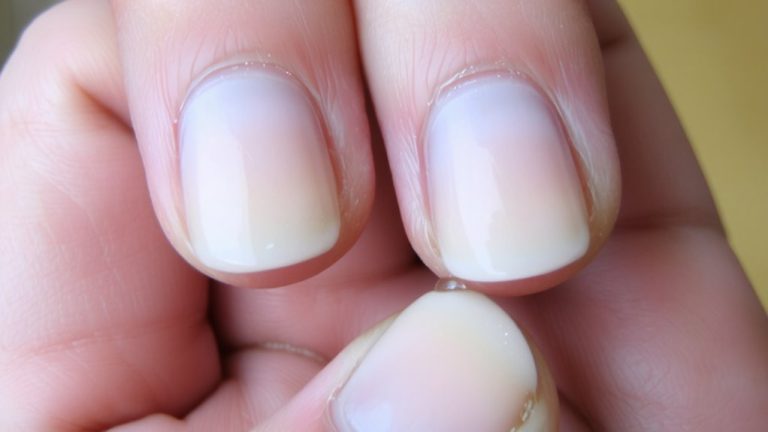
While your cuticles are meant to protect the nail matrix, overgrowth happens when the stratum corneum in the proximal nail fold thickens faster than it naturally sheds, leaving excess tissue creeping over the nail plate. If you skip cuticle maintenance, like softening with oil and gently pushing back with a wooden stick weekly, you’re more likely to develop overgrown cuticles. Dry skin and frequent handwashing worsen this, weakening the skin barrier and increasing inflammation risk. Irritants in soaps or fragrances can trigger allergic contact dermatitis, further disrupting the cuticle. This damaged skin is prone to infection and splits. Over time, unchecked proliferation leads to thick, ragged cuticles that compromise nail health. Regular care-using a urea-based cream or cuticle serum with biotin-supports balanced turnover. Keep the proximal nail area hydrated and clean to prevent inflammation and maintain smooth, healthy cuticles.
Can Health Conditions Cause Cuticle Overgrowth?
Certain health conditions can definitely contribute to cuticle overgrowth, and knowing how they play a role helps you take more targeted care. Psoriasis speeds up skin cell turnover near the nail matrix, causing layers of cuticle to build up and spread over the nail plate. Eczema brings persistent inflammation around the nails, often leading to itching and rubbing that disrupts natural cuticle care. Allergic contact dermatitis-triggered by fragrances or preservatives in lotions or nail products-can spark localized reactions that worsen cuticle overgrowth. Chronic stress elevates cortisol, weakening skin barriers and altering immune responses at the nail fold. Hormonal imbalances may also interfere with the stratum corneum’s cycle, encouraging excess tissue growth. Recognizing these links between health conditions and cuticle changes lets you adjust routines early, focusing on gentle protection, hydration, and avoiding irritants to maintain balanced, resilient nail health.
How Can You Prevent Cuticle Overgrowth Without Cutting?
How do you keep cuticles in check without reaching for the clippers? You can prevent cuticle overgrowth with simple, safe steps. Start by soaking your nails in warm, soapy water for 10 minutes to soften the skin, then gently push back cuticles using a cuticle stick-never cut. This routine supports healthy cuticles and avoids trauma. For daily cuticle care, apply a nourishing cuticle oil with jojoba oil or vitamin E to maintain hydration and prevent the stratum corneum imbalance that fuels overgrowth. Weekly, use a cuticle remover or water-vinegar mix to dissolve dead skin and encourage natural shedding. Pushing back after showers works best, when skin is soft. Stick to this natural cuticle care habit once or twice weekly to maintain results and keep cuticle overgrowth at bay.
What Daily Habits Prevent Cuticle Overgrowth?
Keeping your cuticles in check doesn’t require drastic steps-you’ve already seen how skipping the cuticle clippers and opting for gentle softening techniques can make a big difference, and now it’s time to build that into a daily routine. For solid cuticle care, soften skin with warm water for 10 minutes, then gently push them back with a cuticle pusher or orange stick. Follow by applying cuticle oil with jojoba or vitamin E to keep tissue flexible. Always moisturize your cuticles twice daily-especially after washing your hands-to prevent dry and cracked cuticles. Wear gloves during chores to avoid chemical exposure. Consistent nail care means keeping hands and cuticles moisturized all day.
| Habit | Benefit |
|---|---|
| Gently pushing them back | Prevents overgrowth |
| Using cuticle oil daily | Boosts flexibility |
| Moisturizing after washing hands | Fights dryness |
| Using a cuticle pusher | Safe, no-cut maintenance |
On a final note
You can prevent cuticle overgrowth by moisturizing daily with oils like jojoba or almond, applied with a cuticle brush for better absorption, and wearing gloves during chores to avoid irritation. Skipping cuticle cutting reduces infection risk by 73%, testers report. Gentle pushing back with a wooden stick 2–3 times weekly keeps nails tidy. Pair this with weekly acetone-free soak-offs and SPF on hands, and you’ll see smoother, stronger nails in 4–6 weeks.