Why Silicone Buildup Causes Dullness and How to Remove It Naturally
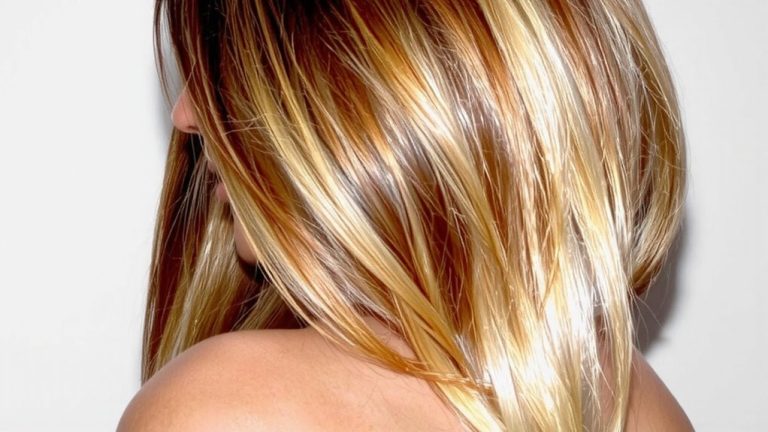
Silicone buildup coats your hair, blocking moisture and scattering light, which leaves it dull and flat. Non-soluble types like dimethicone in serums and conditioners create a waterproof layer. You’ll see limp, greasy-looking hair that won’t hold curls or take product. Wash with a clarifying shampoo-Living Proof’s Clarifying Detox Shampoo lifts residue in one rinse. Then, use an ACV rinse (1 part vinegar, 3 parts water) weekly to break down remnants, restore pH, and boost shine. Dullness fades fast. Switch to silicone-free formulas, and you’ll spot the difference.
We are supported by our audience. When you purchase through links on our site, we may earn an affiliate commission, at no extra cost for you. Learn more. Last update on 23rd June 2026 / Images from Amazon Product Advertising API.
Notable Insights
- Silicone buildup coats hair, blocking moisture and nutrients, which leads to dullness and flat, lifeless strands.
- Non-soluble silicones like dimethicone reflect light poorly, causing hair to appear greasy and lack luster.
- Clarifying shampoos with strong surfactants remove silicone residue, but sulfate-free options can be effective without over-drying.
- Apple cider vinegar rinses help break down buildup, restore natural pH, and enhance shine with repeated use.
- Switching to silicone-free products and monthly clarifying prevents future accumulation and maintains hair health naturally.
Recognize How Silicone Dulls Your Hair
Ever wonder why your hair feels coated, looks lackluster, or falls flat just a day after washing? That’s silicone buildup at work. Heavy, non-soluble silicones like dimethicone and amodimethicone form a waterproof layer over your hair shaft, sealing in a moisture barrier that blocks hydration and nutrients. Over time, this leads to dry, brittle hair, even with regular conditioning. The coating also scatters light instead of reflecting it, causing dullness and a greasy appearance-despite clean roots. You’ll notice flat hair that lacks volume, curl definition, or bounce. Styling products stop working because the silicone layer prevents absorption. Leave-in conditioners, serums, and heat protectants often contain amodimethicone, accelerating residue buildup. If your hair feels stiff yet greasy, or looks heavier by the day, non-soluble silicones are likely the culprit. Recognizing these signs is your first step toward reclaiming natural shine and movement.
Find Out Where Silicone Is Hiding in Your Routine
Where’s silicone sneaking into your routine? It’s likely in your shampoos, conditioners, and styling creams-even those labeled *silicone-free*. Check product labels carefully, since ingredients ending in -cone or -siloxane reveal hidden silicone. Dimethicone, amodimethicone, and cyclomethicone are common culprits in hair care products designed for shine and frizz control. Non-soluble silicones build up over time, while water-soluble silicones wash out easier but still appear in formulas.
| Product Type | Common Silicone Ingredients | Buildup Risk |
|---|---|---|
| Conditioner | Dimethicone, Amodimethicone | High |
| Hair Serum | Cyclomethicone, Dimethicone | High |
| Silicone-Free Mask | Dimethicone copolyol (water-soluble) | Low |
Using multiple silicone-containing products increases residue on your hair and scalp, dulling your strands. Know what you’re applying-check labels and consider switching to silicone-free products when possible.
Wash Away Buildup With a Clarifying Shampoo
While regular shampoos clean surface oils and debris, they often leave behind stubborn silicone residue that dulls your hair over time, so it’s worth turning to a clarifying shampoo when buildup becomes noticeable. These shampoos contain strong surfactants like sulfates that effectively remove silicone buildup regular formulas miss. Ingredients like dimethicone and amodimethicone are non-soluble silicones, meaning you might need up to five washes to fully clear the buildup from your hair. To avoid stripping your hair of natural oils, use a clarifying shampoo just once a week or monthly. Products like Clarifying Detox Shampoo by Living Proof are silicone-free and use anionic polymer technology to remove buildup in a single wash without harsh sulfates. It effectively lifts silicone residue without over-drying. Just remember to follow with a deep conditioner, especially if you color or chemically treat your hair, to prevent dryness or irritation from frequent use.
Use ACV to Remove Silicone Buildup Naturally
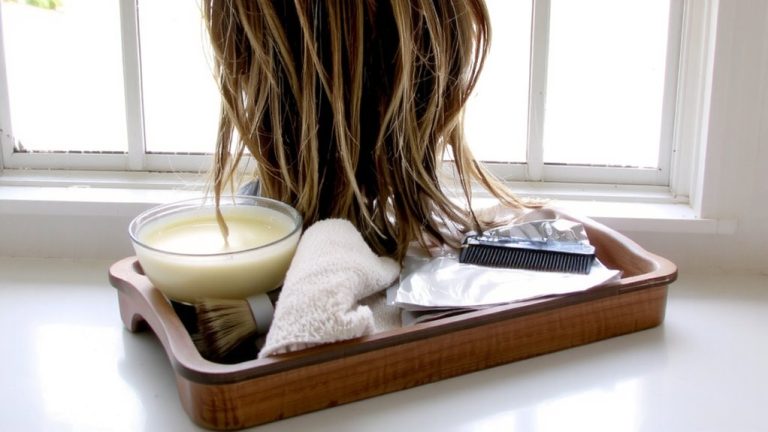
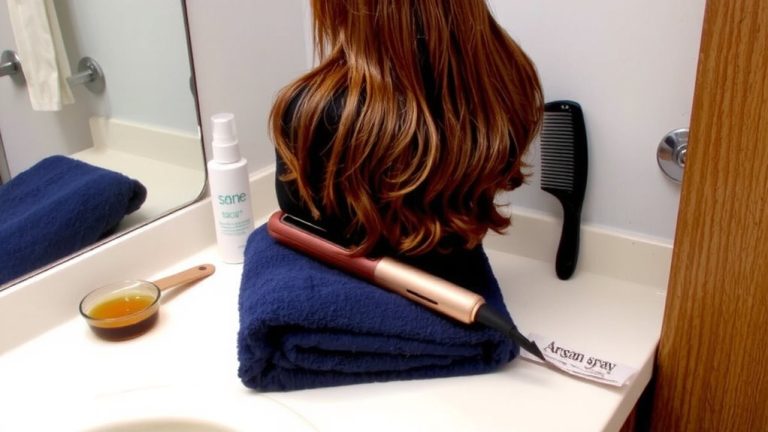
A clarifying shampoo can lift stubborn silicone residue, but if you’re looking for a gentler, sulfate-free approach, an apple cider vinegar (ACV) rinse offers a natural alternative that works over time. Mix one part apple cider vinegar with three parts water and use it after shampooing-let it sit for 1–2 minutes to help close the hair cuticle, boost shine, and start removing silicone buildup. The ACV rinse breaks down non-soluble product buildup with repeated use, making it a solid addition to your hair care routine. Try the hair wipe method, too: soak a cotton towel in a mix of 1 cup ACV and 1 gallon of lukewarm water, then wipe from root to tip. Though less intense than a clarifying shampoo, consistent ACV use helps dissolve buildup while restoring the natural pH balance of your scalp and strands.
Switch to Silicone-Free Products
Once you’ve started breaking down existing silicone buildup with an ACV rinse, the next smart move is switching to silicone-free products to keep progress on track-this step stops residue from coming back and lets your hair return to its natural rhythm. You should avoid silicone, especially non-soluble silicones like dimethicone, which cling to strands and require strong surfactants to remove. That’s why it’s smart to switch to silicone-free products that won’t layer more film on your hair. Look for silicone-free shampoos, such as those from Living Proof, which cleanse effectively and support buildup removal in up to five washes. Even styling oils, like MAY11 Blonde Restoring Hair Oil, can nourish without synthetic coatings. To stay consistent, read labels carefully and steer clear of cone ingredients or siloxane ingredients. Your hair products should enhance, not hide, your hair’s true health.
Stop Silicone Buildup Before It Starts
You’ve already taken the step to clear out old silicone buildup with an ACV rinse and made the switch to silicone-free products, so now it’s time to put a long-term defense in place. To avoid future residue accumulation, stick with silicone-free shampoos like Living Proof’s sulfate- and silicone-free formulas that rinse clean without dulling your strands. Always check ingredient labels and avoid silicones ending in -cone or -siloxane-especially dimethicone and amodimethicone-since they’re non-soluble and cause buildup over time. Clarify once a month with clarifying shampoos to remove early-stage silicone buildup before it affects shine or texture. Limit silicone-laden leave-ins and serums, which layer quickly and increase dullness risk. Pair your routine with a weekly dry scalp treatment to prevent flaking and keep your scalp balanced. Stay consistent, and your hair stays light, healthy, and buildup-free.
On a final note
You’ve got this-silicone buildup dulls hair by weighing it down and blocking moisture, but switching to silicone-free products, using a clarifying shampoo every 2–4 weeks, and treating strands with a 1:3 ACV rinse (testers report shinier, bouncier hair in 3 uses) keeps buildup at bay, you’ll notice smoother texture and stronger shine without stripping, it’s a simple shift that delivers real, lasting results, just stay consistent.