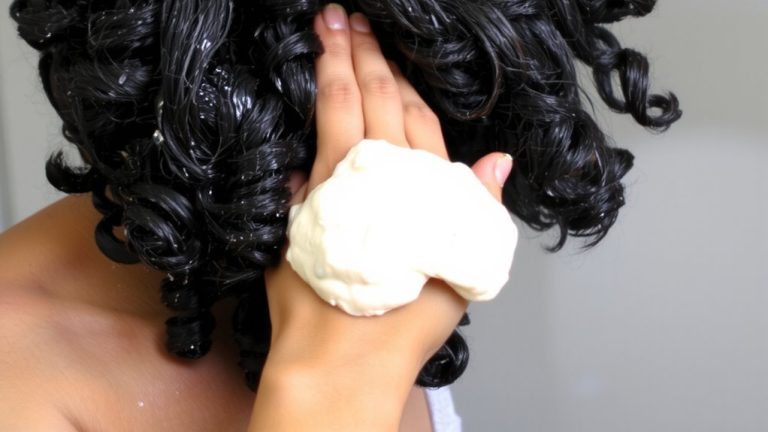
How to Transition From Relaxed to Natural Hair With a Healthy Cleansing Routine
You’re growing out your relaxed hair at 0.5 inches per month, so protect the fragile demarcation line with a sulfate-free wash like Cécred’s Hydrating Shampoo to retain moisture, avoid sodium lauryl sulfate, and prevent breakage. Cleanse in four sections every 4–6 weeks for even coverage and better scalp access. Follow with Head & Shoulders Dry Scalp Care if flaking occurs. Deep condition weekly, focusing on mid-lengths to ends, using indirect heat for 20–30 minutes to boost penetration and strengthen the change zone. Apply a water-based moisturizer and seal with almond oil using the LOC method to lock in hydration and reduce dryness. Limit heat and manipulation to preserve length; a reconstructing mask every 4–6 weeks repairs bonds and restores elasticity. Your routine sets the foundation for soft, defined curls and a healthier scalp with lasting results when you keep refining your approach.
We are supported by our audience. When you purchase through links on our site, we may earn an affiliate commission, at no extra cost for you. Learn more. Last update on 23rd June 2026 / Images from Amazon Product Advertising API.
Notable Insights
- Start with a sulfate-free shampoo to preserve moisture and protect the delicate demarcation line during transition.
- Use Head & Shoulders Dry Scalp Care Shampoo to combat flakes and maintain a healthy, hydrated scalp.
- Wash hair in four sections to ensure even cleansing, coverage, and thorough detangling of mixed textures.
- Clarify monthly with a scalp scrub to remove buildup without stripping natural oils.
- Deep condition weekly, focusing on mid-lengths to ends, and use indirect heat for better moisture penetration.
What Happens When Transitioning From Relaxed to Natural Hair
That line where your curls meet the straightened ends? It’s the hallmark of moving from relaxed to natural hair, where new growth with your true curl pattern meets the old relaxed ends. You’re dealing with two textures, and that contrast creates a weak spot prone to damage and breakage. Hair growth averages 0.5 inches per month, so a healthy move can take six months to two years. Your relaxed ends won’t revert-only new growth shows your natural curl pattern. Without balanced moisture and protective styling, the mix of textures increases risk of tangling, dryness, and mechanical stress. Managing this phase means tailoring care: gentle detangling, sulfate-free cleansers, and hydration to support elasticity. You’ve got to protect lengths while encouraging strong hair growth. With consistent care, your relaxed to natural hair journey becomes manageable, reducing breakage and setting the stage for a fuller, healthier head of coils.
Prevent Scalp Flakes During Transition
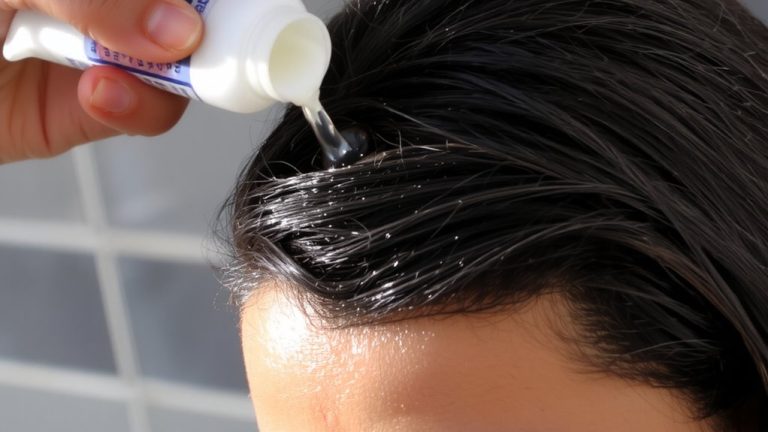
You’re already managing the blend of textures as your natural curl pattern grows in, and keeping your scalp healthy is just as important as caring for the strands themselves. Dry scalp can lead to flakes, itching, and irritation, so consistent scalp care is key. Use Head & Shoulders Dry Scalp Care Shampoo regularly to remove dirt, flakes, and buildup while restoring your scalp’s natural moisture balance. Follow with the配套 conditioner, enriched with almond oil, to moisturize scalp and soothe dryness between washes-users report 100% flake-free results with consistent use. This conditioner hydrates without heaviness, so your roots stay fresh. For ongoing support, add a deep conditioning treatment weekly to nourish both hair and scalp. A healthy scalp means stronger growth and less breakage as you progress. Keep it clean, moisturized, and balanced-it’s the foundation of great hair.
Start With a Sulfate-Free Wash for Transitioning Hair
While your natural texture starts to emerge, switching to a sulfate-free shampoo like Cécred’s Hydrating Shampoo helps preserve your hair’s moisture balance without stripping essential oils, especially important at the delicate line of demarcation where relaxed and natural textures meet. Harsh sulfates like sodium lauryl sulfate cause dryness, but a gentle sulfate-free shampoo keeps your wash day soothing and effective. For hair in the process of change, maintaining natural oils is key to protecting dry, brittle relaxed ends. Once monthly, swap in a clarifying shampoo and scalp scrub to remove buildup and keep your scalp healthy. This simple switch improves your entire hair care routine, giving you stronger, more resilient hair.
| Emotion | With Sulfate-Free Wash | Without It |
|---|---|---|
| Confidence | You feel in control | You feel unsure |
| Texture | Soft, defined curls | Frizzy, dry strands |
| Wash Day | Revitalizing ritual | Stressful chore |
Wash in Four Sections to Manage Two Textures
When your hair’s changing, washing in four sections makes it easier to handle the mix of natural curls up top and relaxed ends below, giving each texture the care it needs. As someone moving between textures, you’re dealing with two textures, so dividing your hair into quadrants guarantees even coverage when using a sulfate-free shampoo and deep conditioner. This method simplifies detangling, letting you gently work through knots from ends to roots without tugging. It also boosts your hair care routine by improving access to the scalp for deep cleaning every 4–6 weeks. Wash in four sections to protect fragile relaxed hair while nourishing new growth. Applying deep conditioner under indirect heat in each section enhances moisture retention. You’ll reduce breakage and support healthier natural hair development-no guesswork, just consistent, clear results.
Deep Condition the Weak Demarcation Line
Because the demarcation line-where your natural curl pattern meets relaxed ends-bears the brunt of structural stress, it needs targeted reinforcement, and weekly deep conditioning with a balanced protein-moisture treatment like Cécred’s Moisturizing Deep Conditioner makes a measurable difference in strength and elasticity. You’ve got two textures pulling in different directions, so that weak line is prone to breakage and moisture loss. Focus the deep conditioner from mid-lengths to ends, especially at the change zone, and use indirect heat for 20–30 minutes to boost penetration. Maintain hair integrity with a consistent deep condition routine. Every 4–6 weeks, swap in Cécred’s Reconstructing Treatment Mask to repair bonds and restore elasticity.
| Step | Tip |
|---|---|
| 1 | Deep condition weekly |
| 2 | Use protein-moisture balance |
| 3 | Apply heat for uptake |
| 4 | Target the demarcation line |
| 5 | Prevent breakage, fight moisture loss |
Moisturize and Seal to Stop Dryness
You’ve already strengthened the fragile line where your textures meet with regular deep conditioning, and now it’s time to tackle the daily battle against dryness. To keep both your natural hair and relaxed hair healthy, start by applying a water-based moisturizer like Cécred’s Moisture Sealing Lotion to damp hair-this helps hydration sink into the shaft. Then, seal with 1–2 drops of Cécred’s Nourishing Hair Oil per section to lock it in and fight evaporative loss. Use the LOC method weekly to maximize moisture retention. The demarcation line is especially prone to dryness, so layer a creamy leave-in conditioner and oil there. For daily moisturizing, spritz with water or a conditioner mix, then reseal with oil to keep dryness at bay.
Reduce Heat and Handling to Prevent Breakage
While your hair’s strongest defense lies in moisture, minimizing physical stress is just as critical-especially at the fragile line where textures meet. To reduce heat and prevent breakage, limit styling with flat irons or blow dryers to once a month or less, always using the lowest heat setting and a heat protectant. Avoid direct heat at the line of demarcation, where relaxed and natural textures meet, since those fragile strands break easily. Cut down on daily handling by choosing low-tension protective styles like loose braids, twists, or buns worn for 6–8 weeks. When you detangle, do it gently in the shower with conditioner, using fingers or a wide-tooth comb. Sleep on a silk pillowcase or wear a silk bonnet nightly to reduce friction and prevent breakage without weighing hair down.
On a final note
You’ve got this: stick to sulfate-free shampoos every 7–10 days, wash in four sections to handle both textures, and deep condition weekly-focus on that weak demarcation line. Use a water-based moisturizer and seal with 2–3 drops of jojoba or shea oil. Limit heat styling to once a month, protect hair nightly with a satin bonnet, and trim every six weeks to prevent split ends. Your natural texture will thrive with consistency, care, and minimal manipulation.