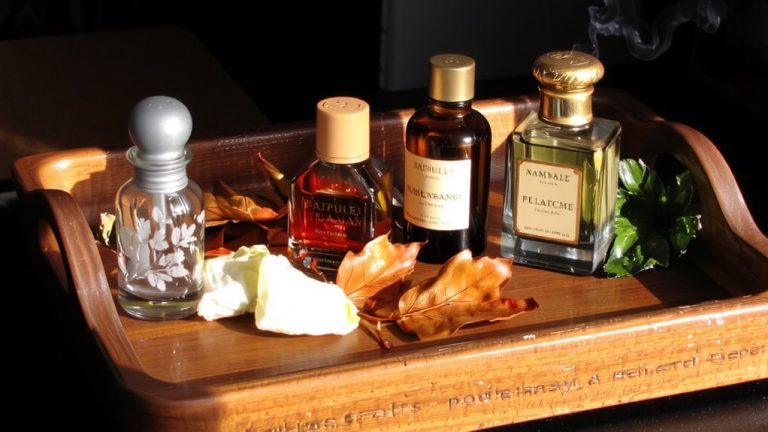
How to Identify When a Perfume Has Bloomed on Your Skin
You’ll know your perfume has bloomed when the sharp citrus top notes fade after 10–15 minutes, giving way to soft florals or spices at the heart within 30 minutes, then deepening into smooth base notes-like vanilla or sandalwood-that feel warm, balanced, and close to your skin after 60–90 minutes. Body heat, pulse points, and your skin’s pH (ideally 4.7–5.75) all shape this evolution. Oily skin may amplify longevity, while dry skin benefits from moisturizer to stabilize the scent’s true character. What happens next could change how you choose every bottle.
We are supported by our audience. When you purchase through links on our site, we may earn an affiliate commission, at no extra cost for you. Learn more. Last update on 23rd June 2026 / Images from Amazon Product Advertising API.
Notable Insights
- Wait 30 to 60 minutes after application for base notes like vanilla or musk to fully emerge.
- Observe when top notes like citrus fade and middle notes such as florals become balanced.
- The scent has bloomed when no single note smells overpowering or sharp.
- Feel for consistent aroma projection and improved sillage around pulse points.
- Recognize a seamless blend of top, heart, and base notes lasting over two hours.
Why Perfume Smells Different on Everyone?
Chemistry, not chance, decides how a fragrance unfolds on your skin. Your unique skin chemistry-shaped by pH level (typically 4.7 to 5.75), body temperature, and sebum production-interacts with fragrance molecules instantly. If you have oily skin, excess sebum binds to scent, making it stronger and longer-lasting. Dry skin lacks sufficient body oils, so the same perfume may fade faster. Your skin type alters projection and tone-citrus notes pop on acidic skin, while musk deepens on alkaline. Body temperature accelerates evaporation, shifting how the natural scent develops. Even your microbiome metabolizes fragrance differently. Hormones, diet, and medication also tweak outcomes. Test perfumes on your skin, not paper, to see real performance. One tester noted a vetiver scent turned sweeter on warm, oily skin. Trust your chemistry-it customizes every wear.
How Perfume Changes on Your Skin in 3 Stages
While you might catch the first hint of a fragrance the second you spray, it’s the next hour that reveals how it truly evolves on your skin. The top notes-light, volatile fragrance molecules like citrus or herbs-fade within 5 to 15 minutes. Then come the middle notes, the heart of the scent, with florals or spices emerging at 15–30 minutes and lasting 2 to 4 hours. By 30–60 minutes, base notes like vanilla, musk, or sandalwood unfold, thanks to your body heat and slower-evaporating compounds. This entire shift is the blooming process, shaped by your skin chemistry and pH balance. At pulse points, warmth accelerates diffusion, blending top, middle, and base notes into a cohesive scent. You’ll know it’s fully bloomed when the fragrance feels balanced and true, no single note overpowering-just harmony where all the elements finally connect.
Does Your Skin Type Change the Scent?
Your skin isn’t just a backdrop for fragrance-it actively shapes how a perfume smells and lasts, building on the way scents evolve through their blooming stages. Your body chemistry, including skin types, sebum levels, and pH levels, directly impacts how fragrance molecules behave. Oily skin holds onto scent longer-extra sebum binds to molecules, boosting longevity and sillage. Dry skin lacks oils, so perfume fades fast, often within three hours, unless you moisturize first. Normal skin usually lets a fragrance smell closest to its intended form, with balanced top, heart, and base notes. Skin with a slightly acidic pH (4.7–5.75) stabilizes scent best. That’s why the same perfume can smell sweeter on one person and sharper on another-your skin changes everything.
Why Body Heat Makes Perfume Bloom on Skin
When you spritz perfume, the warmth of your skin kickstarts a silent transformation, turning a static scent into a living trail that shifts and deepens over hours. Your body heat energizes scent molecules, boosting their movement and speeding up evaporation so top notes-like citrus or bergamot-shine first, fading within 15–30 minutes. As your warm skin activates the fragrance, heart notes (floral or spicy accords) emerge clearly, lasting up to an hour. Sebum, your skin’s natural oil, binds with fragrance molecules, helping stabilize and extend the scent. That same body heat then slowly releases base notes-think vanilla, musk, or sandalwood-after 1–2 hours. These richer, less volatile compounds bloom fully on warm skin, especially at pulse points, where increased warmth supports continuous diffusion and stronger sillage.
How Hormones, Diet, and pH Alter Fragrance
Since your skin’s chemistry isn’t fixed, the way your perfume develops throughout the day depends heavily on internal factors like hormones, what you eat, and your skin’s pH-each shifting how top, heart, and base notes unfold. Hormones like estrogen boost sebum, which binds to scent molecules and makes woody or musky fragrances last longer. During menstruation or menopause, rising body heat and sweat can intensify vanilla or amber notes. Your diet plays a role too-spicy foods such as garlic or cumin release sulfur compounds, altering body odor and making a fragrance smell sharper. Skin pH below 4.7 speeds up the fade of citrus top notes, while alkaline skin above 5.75 boosts base note volatility. Alcohol lowers pH and dehydrates skin, muting floral or green scents. Pay attention to how your skin’s chemistry changes-it directly shapes how your fragrance smells.
Mistakes That Ruin Your Perfume’s Performance
What if the reason your perfume fades by noon comes down to a few easily fixable habits? Applying perfume right after a shower might seem smart, but clean, dry skin lacks oils, causing your fragrance to evaporate faster. You’re also sabotaging scent if you rub your wrists together-this breaks down delicate top notes, especially in citrus-heavy perfumes. When you apply perfume on parched skin or in low humidity, volatility increases, shortening wear time. Spraying perfume over scented lotions with mismatched skins pH-even slightly outside the ideal 4.7–5.75 range-can make your perfume smells different, dull, or off. Remember, your body chemistry is unique, so fragrance interacts uniquely with your unique body. Avoid storing perfume in heat or sunlight above 77°F, where ingredients like linalool degrade. Keep your chemistry is unique results consistent by respecting your skin’s needs and environment.
How to Test Perfume on Skin Properly
A well-executed fragrance test starts with prepped skin-apply your scent to clean, freshly moisturized pulse points like the wrists and neck, where warmth from your body helps lift the aroma gradually. When you apply perfume, use body heat to your advantage, but avoid rubbing the skin, as it crushes delicate fragrance molecules and distorts the scent evolution. Always test one fragrance per arm to prevent cross-scent contamination and guarantee an accurate read. Let it settle-wait 30 minutes before judging, giving top notes time to fade and mid-notes room to emerge. Reassess at 2, 6, and 24 hours to track how skin chemistry transforms the scent. This practical method reveals true longevity, depth, and performance, helping you choose wisely based on real wear, not just first impressions.
On a final note
Your skin’s warmth, pH, and moisture change how fragrance evolves, so let it bloom 10–15 minutes before judging. Apply to pulse points-wrists, neck-for steady diffusion. Oily skin holds scent longer; dry skin may need layering with unscented lotion. Avoid rubbing-breaks down molecules. Test one fragrance at a time, morning and night, across days. Real testers note shifts in sillage and longevity based on diet, hormones, even meds. Stay hydrated, patch test, and trust your nose-it knows.