Why Some Perfumes Smell Sweet at First but Turn Woody or Musky Later
Your perfume starts sweet because top notes like citrus and bergamot are light, fast-evaporating molecules that fade in 10–20 minutes. As they disappear, heart notes emerge, then give way to base notes like sandalwood, musk, and tonka bean-rich, low-volatility compounds that last up to 24 hours. Body heat and your skin’s pH activate these deep, woody, or musky tones. Oily skin makes them linger longer. What you smell hours later isn’t the same as the first spritz-your chemistry changes everything, and the full story unfolds over time.
We are supported by our audience. When you purchase through links on our site, we may earn an affiliate commission, at no extra cost for you. Learn more. Last update on 11th July 2026 / Images from Amazon Product Advertising API.
Notable Insights
- Top notes are sweet and light, evaporating quickly within 10–20 minutes after application.
- Heart notes emerge next, revealing the fragrance’s core character over 20–30 minutes.
- Base notes contain woody, musky molecules like sandalwood and musk that surface as top notes fade.
- Heavy, low-volatility base molecules linger and interact with skin chemistry for long-lasting depth.
- Skin pH, oil levels, and body heat influence how notes evolve, causing scent shifts from sweet to woody or musky.
Why Perfume Changes From Sweet to Woody or Musky
While the first spritz of perfume might hit you with a burst of vanilla or juicy bergamot, that sugary opening won’t last long-top notes usually fade within 10 to 20 minutes, making room for the deeper layers to unfold. As those bright, fleeting accords evaporate, heart notes briefly emerge before giving way to richer base notes like sandalwood, patchouli, or musk. These deeper base notes, built on heavy, low-volatility molecules such as ambroxan or tonka bean, gradually become the fragrance’s backbone, lasting up to 24 hours. Your skin chemistry plays a key role, too-body heat interacts with the scent, accelerating the release of woody and musky tones over time. So as top notes fade, you’re not just smelling the perfume’s evolution, you’re experiencing how it bonds with your skin chemistry, transforming from sweet and bright to warm, complex, and uniquely yours.
How Top Notes Create the First Impression
You notice it the second you spritz-citrus zests like bergamot and mandarin leap out, or maybe a burst of mint and green tea hits the air with crisp clarity. These top notes form the first impression, built from light, fast-evaporating molecules that grab attention instantly. They’re bright, fresh, and designed to shine within seconds of application. But they don’t last-most fade within 10 to 20 minutes due to their low molecular weight. That’s why your skin matters: body heat, around 37°C, speeds up their release and evaporation, making testing on skin essential. Blotters can’t replicate this reaction. Top notes never show the full fragrance story, but they set the tone, pulling people in before deeper layers unfold. Always give a scent a few minutes on your pulse points to see how it truly behaves.
How Long Until Heart Notes Appear?
How long before you actually smell the real scent? Heart notes usually kick in after 10 to 20 minutes, once those bright top notes-like citrus or herbs-fade away. This is when the perfume’s true character starts unfolding on your skin. Your skin temperature and body chemistry play key roles in how fast this shift happens; warmer skin speeds things up. That’s why testing on your wrist and waiting 20–30 minutes gives you the clearest read.
| Factor | Effect on Heart Notes |
|---|---|
| Skin Temperature | Warmer skin accelerates release |
| Body Chemistry | Alters scent development |
| Wait Time | 20–30 min reveals true profile |
Don’t judge too soon-heart notes define the fragrance’s core, lasting hours and forming what others actually smell. Give it time, and you’ll experience the scent as it’s meant to be worn.
Why Base Notes Define the Fragrance’s True Scent
The true soul of a perfume isn’t in the first spritz-it’s in the slow reveal. Base notes, made of heavy, long-lasting fragrance molecules like vanilla, musk, amber, and tonka bean, emerge after the top and heart notes fade, often sticking around for hours or even into the next day. These base notes interact with your skin’s pH and natural oils, deepening as your body heat activates them. This reaction helps stabilize the scent, making it richer and more personal over time. Ingredients like ambroxan and cetalox add warmth and sensuality, shaping the fragrance’s lasting impression. Because they develop slowly and linger longest, base notes define the perfume’s real character. You’re not just wearing a scent-it’s evolving with you, revealing its true self once it fully bonds with your skin.
Why Perfume Smells Different on Everyone
A person’s unique skin chemistry is the invisible ingredient that transforms a fragrance the moment it lands. Your skin pH, typically between 4.7 and 5.75, interacts with perfume molecules, changing how notes like citrus or musk unfold. That’s why perfume smells different on everyone. Oily skin holds onto fragrance longer, boosting base notes like vanilla or amber, while dry skin fades faster, shortening scent life. Your personal chemistry-shaped by diet, hormones, or medication-also shifts how a scent develops. Even identical perfumes smell unique from one person to the next. A 1996 study confirmed biological differences prevent uniform scent expression. You might love a perfume on a friend but find it weak or sharp on yourself-that’s normal. Test fragrances on your skin, not paper, and wait 20 minutes. Let your personal chemistry reveal the true scent.
How Body Heat Changes Perfume
When you step into the warmth of a sunlit room or your body heats up from walking, that’s when your perfume starts to evolve in real time. Your body temperature activates scent molecules, especially on warmer skin, accelerating evaporation of bright top notes like citrus. As those fade, deeper base notes-woody, musky, amber-emerge within 10–20 minutes. Warmer skin (around 37°C) boosts fragrance diffusion, making scents project further and last longer. Oily skin enhances this effect, with sebum acting as a fixative for rich base notes. Individual pH and hydration also influence how quickly sweet notes fade.
| Factor | Effect on Perfume |
|---|---|
| Higher body temperature | Faster note shift |
| Warmer skin | Stronger projection |
| Oily skin | Longer-lasting base |
| Movement | Increased diffusion |
| Skin pH | Alters scent balance |
Tips to Predict a Perfume’s Drydown Accurately
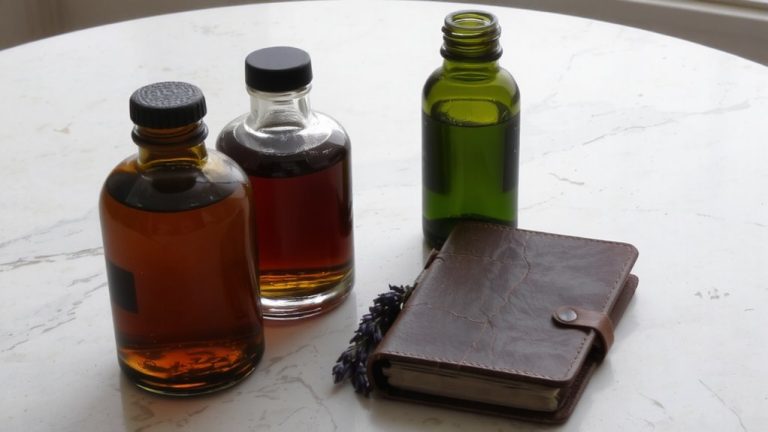
Ever wonder why that fresh, sweet scent you sprayed this morning turns warm and earthy by afternoon? That’s the drydown unfolding. To predict it accurately, wait 30–60 minutes-top notes like citrus fade fast, while base notes like sandalwood, patchouli, or vanilla emerge slowly. Always test on your skin rather than a blotter; your body heat (around 37°C) and chemistry transform how a perfume develops. Skip crowded stores where competing scents interfere-this skews your sense of the true drydown. Check the ingredient list: base notes define the lasting impression of any perfume that works long-term. Keep a journal tracking how fragrances evolve on you, noting when musky or woody tones appear. With time, you’ll spot patterns and pick winners faster. Your skin rather than paper reveals the real story.
On a final note
You’ll notice sweet top notes fade fast-usually within 15 minutes-giving way to richer heart and base notes like sandalwood or musk, which can last 6+ hours. Perfume reacts with your skin’s pH and temperature, so it may smell different on you than your friend. For accuracy, test on your skin, not paper. Wait 30 minutes to judge the true scent. Always layer with unscented moisturizer to extend wear and boost sillage.