Why Some Perfumes Improve as They Dry Down on Skin
Your perfume improves as it dries down because top notes like citrus fade fast, letting rich base notes-sandalwood, vanilla, musk-emerge after 30–90 minutes. Your skin’s oils and pH bind with these slow-evaporating molecules, deepening the scent. Oily skin boosts longevity, dry skin speeds fading. Heat and chemistry make each dry down unique. Test on clean skin, avoid rubbing, and track changes-you’ll uncover how it truly wears on you.
We are supported by our audience. When you purchase through links on our site, we may earn an affiliate commission, at no extra cost for you. Learn more. Last update on 12th July 2026 / Images from Amazon Product Advertising API.
Notable Insights
- Base notes like sandalwood and vanilla emerge slowly, revealing the perfume’s true depth after top notes fade.
- Skin chemistry interacts with fragrance molecules, enhancing warmth and complexity during the dry down phase.
- Oily skin prolongs scent longevity, allowing base notes to develop fully and intensify over time.
- Musk and resins bind with skin lipids, gradually releasing richer, more nuanced aroma layers.
- The dry down reflects the perfume’s design, where heavy, long-lasting notes evolve into a personalized, memorable scent.
What Is Perfume Dry Down?
Picture your perfume as a story, and the dry down is the final, most memorable chapter. You apply the scent, and within minutes, the top notes-often citrus or herbs-fade fast, some vanishing in as little as 10 to 20 minutes. Then come the heart and base notes, which emerge as the perfume develops on your skin. Between 30 and 90 minutes in, the dry down fully reveals itself. This stage isn’t just about base notes like vanilla, musk, or wood-it’s where skin chemistry takes over. Your pH level, body heat, and natural oils interact with fragrance molecules, changing how the scent smells and lasts. Unlike on paper strips, your skin’s warmth and oils let the true character unfold. So, don’t judge too soon-the real perfume shows up once it settles in.
How Base Notes Create a Richer Scent Over Time
You’ve felt the first burst of citrus fade and noticed the heart notes settling in, but the real depth of your fragrance starts building now. Base notes-like sandalwood, vanilla, and amber-contain heavier molecules that evaporate slowly, sticking around as the dry down begins. In an Eau de Parfum, which holds 15–20% aromatic oils, these perfume molecules last longer because your skin holds them better. Natural scent carriers like musk bind to skin lipids, warming the aroma over hours. As resins such as labdanum oxidize subtly, they deepen the blend. Woody base notes-cedarwood, vetiver, patchouli-have low volatility, so they persist up to 24 hours. As the fragrance develops, these base notes form over 60% of the dry down, creating richer, more complex layers. Your skin doesn’t just wear the scent-it transforms it, releasing molecules longer for a bolder, personal trail.
When Dry Down Reaches Its Peak (And How Skin Type Affects It)
When does your fragrance truly come into its own? That’s when the dry down hits its peak intensity-typically 30 to 90 minutes after applying, depending on the scent and your skin type. Woody perfumes usually reach their full base note depth around 60–90 minutes. If you have oily skin, sebum binds fragrance molecules, boosting longevity and letting base notes like musk or resin peak richer and last 12 hours or more. Dry skin lacks sebum, so base notes-like vanilla or amber-often peak earlier, between 30–60 minutes, and fade faster. Your skin’s pH matters too: a slightly acidic pH (4.5–5.5) sharpens base notes like patchouli, making the dry down more defined. Warmer skin speeds up the process, hitting peak intensity in as little as 40 minutes, while cooler skin prolongs the dry down, delaying the base accord’s arrival.
How Your Skin Chemistry Changes the Fragrance
Your skin’s unique chemistry plays a starring role in how a fragrance unfolds throughout the day. The pH of your skin-usually between 4.5 and 5.5-changes how a scent smells, sharpening citrus notes if acidic or making the same perfume smell different with sweeter, heavier tones if more alkaline. On oily skin, natural oils bind with the fragrance, helping it last longer and boosting the richness of the dry down. Dry skin lacks these oils, so the scent can fade fast or smell off. Your body heat and natural mix of amino acids, sweat, and lipids interact with the perfume, making it smell floral on one person and warm or spicy on another. Even base notes evolve uniquely, shaped by your skin’s chemistry.
How Body Heat and Oils Shape the Dry Down
A fragrance’s journey on skin is shaped by the warmth and natural oils the body provides, turning the dry down into a personalized scent experience. Your body heat speeds up the evaporation of top notes and awakens base notes like amber and musk, deepening the perfume within 30 to 90 minutes. As the fragrance interacts with your skin, sebum-the skin’s natural oil-binds to lipophilic compounds, slowing evaporation and enriching the dry down over 6–8 hours. If your skin might produce more oil, you’ll likely notice stronger projection, especially at warm pulse points where scent can increase by 20–30%. Natural oils help base notes like vanilla and sandalwood linger up to 20% longer. Higher oil production means the scent develops more smoothly, making sebum a secret player in how your perfume evolves and stays close to you.
How to Test Dry Down on Your Skin
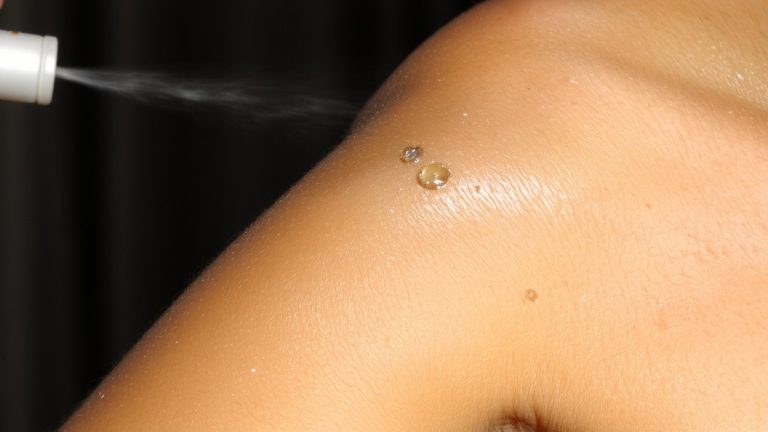
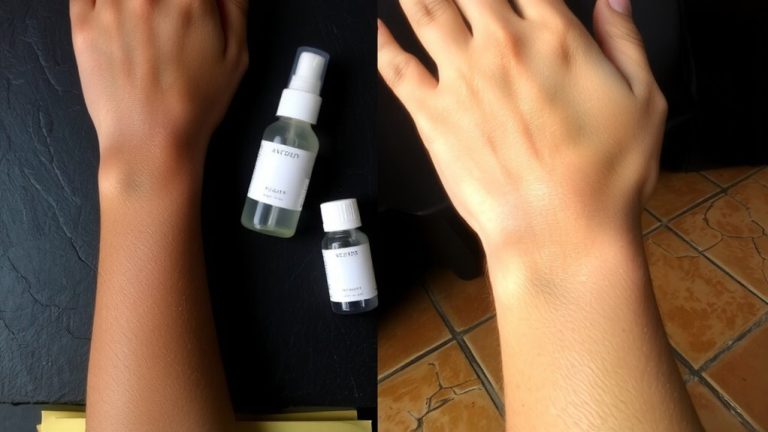
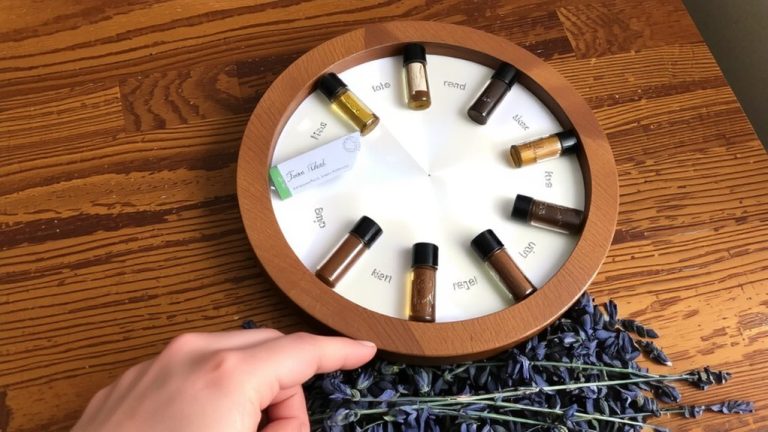
What if the secret to truly knowing your perfume lies not in the first spritz, but in the hours after? When applying perfume, spray it on a clean wrist and wait 10, 30, and 90 minutes to smell how the notes shift from top to base. Don’t rub your wrists together-friction heats the scent and alters the dry down. Apply unscented lotion first to balance hydration levels and prevent skewed results. Your body temperature, skin pH, and even the time of day affect how a fragrance develops, so test morning and evening. Record each phase in a scent journal: note intensity, progressions, and longevity. This helps compare fragrances and understand how your skin chemistry influences the final dry down. Consistent testing reveals what really lasts-and what you’ll love by day’s end.
On a final note
You’ll notice some perfumes smell richer hours in, and that’s the dry down working-thanks to base notes like vanilla, sandalwood, or amber settling into your skin. Your body heat and natural oils react uniquely, so test on skin, not paper. Wait 4–6 hours, track shifts in scent, and pick what evolves well with *your* chemistry. It’s not hype-it’s science.