Why Scalp Tension From Tight Hairstyles Can Cause Hair Loss
You’re pulling your hair too tight, and that constant scalp tension damages follicles over time. Styles like cornrows, tight buns, or heavy extensions create friction and inflammation, leading to broken hairs, redness, and thinning edges. Left unchecked, this traction alopecia can cause permanent loss, especially along the frontotemporal line. Early on, switching to looser styles and using minoxidil 5% or anti-inflammatory topicals can spark regrowth within 6–12 months-catch it before fibrosis sets in, and your hairline could fully bounce back.
We are supported by our audience. When you purchase through links on our site, we may earn an affiliate commission, at no extra cost for you. Learn more. Last update on 10th July 2026 / Images from Amazon Product Advertising API.
Notable Insights
- Prolonged scalp tension from tight hairstyles damages hair follicles, leading to inflammation and hair loss.
- Continuous pulling stresses follicles, causing them to weaken and eventually stop producing hair.
- Early signs like redness and tenderness indicate follicular injury from mechanical strain.
- Untreated traction can destroy follicles, resulting in permanent scarring alopecia.
- Hairstyles like cornrows, tight buns, and weaves exert force that progressively thins the hairline.
What Is Traction Alopecia? (And How Hair Pulling Causes Damage?)
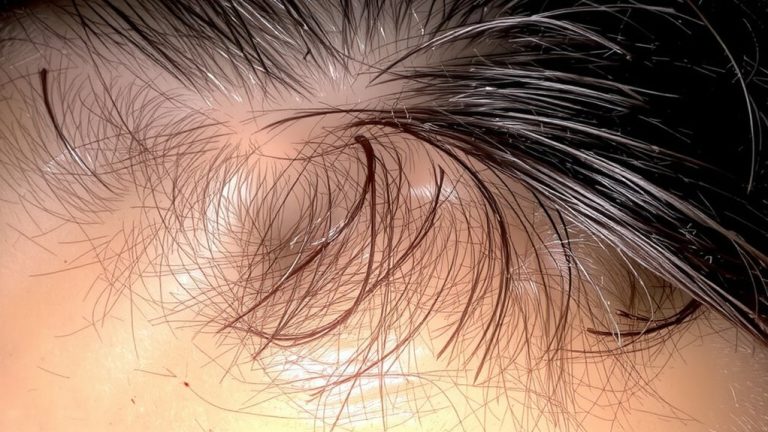
While you might not realize it at first, constantly pulling your hair back too tight can lead to a common but preventable form of hair loss known as traction alopecia. This condition stems from prolonged scalp tension caused by tight hairstyles like ponytails, cornrows, and weaves, which overstress hair follicles. Over time, constant pulling leads to follicular damage, inflammation, and even permanent scarring alopecia if untreated. Early signs include scalp tenderness, redness, and visible hair casts around follicles. In high-risk groups, studies show up to 31.7% of adult women in South Africa and 18% of African American girls experience clinical signs. Damage often appears at the frontotemporal hairline, where tension is highest. A dermatologist can help catch it early, using tools like dermoscopy or the M-TAS score to assess follicular density and detect absent openings before irreversible loss occurs.
Is Traction Alopecia Reversible?
If you catch it early, traction alopecia can often be reversed by simply stopping the hairstyles that pull on your scalp, since continued tension is what drives follicle damage. In the early stages, removing scalp tension allows dormant follicles to recover, making hair regrowth possible-often within 6–12 months. Early intervention is key: discontinue tight hairstyles and consider minoxidil or topical corticosteroids to support regrowth. However, if fibrotic tracts form due to years of traction, follicles may be permanently destroyed, leading to irreversible, permanent hair loss.
| Stage | Outcome |
|---|---|
| Early stages | Reversible with hair regrowth |
| Moderate damage | Partial recovery with treatment |
| Fibrotic tracts | Permanent hair loss likely |
| Chronic tension | Irreversible follicle destruction |
Which Hairstyles Cause Traction Hair Loss?
What’s tugging at your edges without you even realizing it? Tight hairstyles like cornrows, ponytails, and buns create constant scalp tension, leading to traction alopecia-especially if worn daily. You’re at higher risk if you frequently wear hair weaves or extensions attached to tight cornrows, since the added weight worsens follicle damage. Studies show 31.7% of adult women in South Africa develop hair loss from prolonged cornrows, particularly along the frontal and temporal hairlines. Dreadlocks, when kept too tight, pull continuously on follicles, causing miniaturization and permanent hair loss over time. Even Sikh men wearing turbans over tightly coiled hair face marginal traction alopecia from chronic stress. Ballet dancers and professionals in tight buns or ponytails also report frontal pattern hair loss. Skip the damage-loosen your style, vary your look, and let your scalp breathe to prevent irreversible harm.
When Should You See A Dermatologist for Hairline Thinning?
You’ve adjusted your hairstyle, swapped tight ponytails for loose braids, and given your scalp more room to breathe, but what if the damage is already underway? If you notice hairline thinning, broken hairs, or scalp tenderness along the edges, it’s time to see a dermatologist. Early signs like perifollicular erythema, hair casts, or the “fringe sign”-tiny vellus hairs at the border-point to traction alopecia. Left untreated, this can progress to scarring and permanent loss. Scalp inflammation, itching, or pain despite changing styles means you need professional care. A dermatologist can use the Marginal Traction Alopecia Severity Score (M-TAS), grading damage from 0 to 9, to guide treatment. With up to 31.7% of adult women affected, early intervention is key. They may prescribe topical corticosteroids or antibiotics to reduce inflammation and help regrowth.
On a final note
You’re risking traction alopecia if you regularly wear tight ponytails, braids, or buns-constant tension damages follicles over time. The good news? Early-stage thinning is reversible when you switch to looser styles and give your scalp breaks. Use silk scrunchies, keep tension low, and part hair differently weekly. Dermatologists recommend minoxidil if shedding persists, and seeing a pro early improves outcomes. Protect your edges, avoid damage, and preserve healthy growth.