Why Minors Are Banned From Most Indoor Tanning Salons Across States
You’re banned from most indoor tanning salons because UV radiation from tanning beds causes DNA damage and triples your skin cancer risk, especially before age 20. States like California and New York enforce full bans for under-18s, backed by FDA black-box warnings. Even with parental consent, fake IDs and forged forms let teens bypass rules. Social media pushes the “base tan” myth-offering just SPF 3 protection-while glamorizing harmful trends, and what comes next might surprise you.
We are supported by our audience. When you purchase through links on our site, we may earn an affiliate commission, at no extra cost for you. Learn more. Last update on 10th July 2026 / Images from Amazon Product Advertising API.
Notable Insights
- Tanning beds emit carcinogenic UV radiation that causes DNA damage and increases skin cancer risk in minors.
- Using tanning beds before age 20 raises melanoma risk by nearly 50%.
- Indoor tanning triples the overall risk of developing skin cancer compared to non-users.
- Many states ban minors from tanning beds to prevent avoidable cancers and health complications.
- Social media promotes harmful tanning myths, prompting laws to counteract youth exposure.
Why States Ban Minors From Tanning Beds
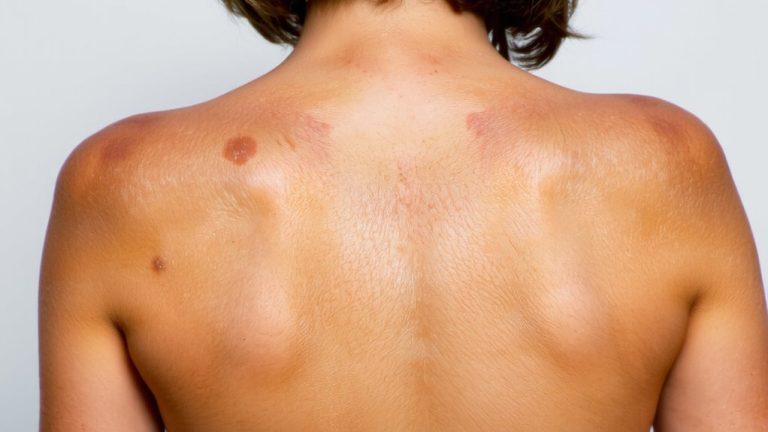
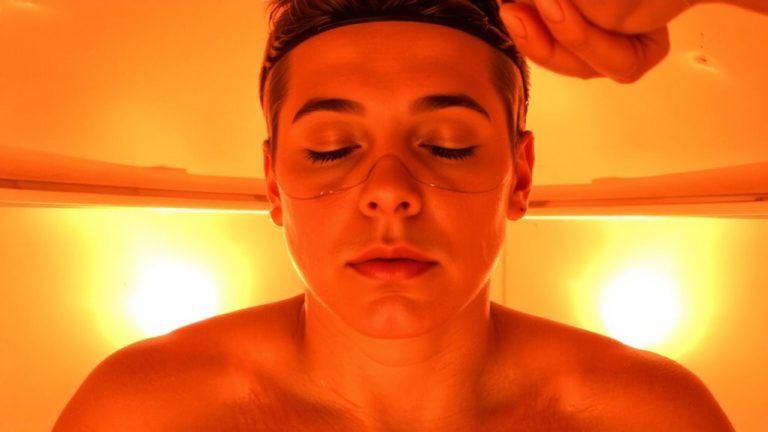
While you might think a golden glow from a tanning bed is a quick fix for pale skin, many states have taken strong action to keep minors away from these devices-and for good reason. Tanning beds emit intense UV radiation, classified by the FDA and WHO as carcinogenic, directly linking indoor tanning to skin damage, cancer, and especially melanoma. In fact, using tanning beds before age 20 raises melanoma risk by nearly 50%. That’s why 14 states and D.C. enforce strict bans, prohibiting minors under 18 from accessing indoor tanning salons. These restrictions respond to evidence that UV radiation from tanning beds causes unique DNA mutations, more damaging than natural sunlight. Parental consent laws in states like Michigan and Kentucky have proven ineffective, leading to stronger bans. With over 419,000 annual skin cancer cases tied to indoor tanning, states step in where federal action lags, especially after the FDA withdrew its proposed under-18 ban in 2026.
How Tanning Beds Triple Melanoma Risk
One in three young adults who use tanning beds before age 20 nearly doubles their chance of developing melanoma, and new research shows the risk is even higher than we thought. Indoor tanning exposes you to intense artificial UV, with tanning beds emitting up to 15 times more UVA radiation than natural sunlight. This powerful UV radiation penetrates deep into your skin, causing direct DNA damage linked to uncontrolled cell growth. A 2025 study of 182 biopsies revealed tanning beds create unique, more dangerous mutations than sun exposure alone. The WHO classifies tanning beds as a Group 1 carcinogen, same as tobacco, due to proven melanoma risk. For minors, the danger is worse-peak skin vulnerability means even one session increases skin cancer odds. Regular indoor tanning triples overall skin cancer risk, making avoidance the smartest protection choice.
Which States Ban Indoor Tanning for Minors
Since stronger UV exposure from tanning beds raises melanoma risk, especially in developing skin, many states have taken action to protect minors-and you’ll want to know where these rules apply if you or someone you know is considering indoor tanning. As of 2026, several states enforce a full ban on minors using tanning beds, while others allow access with parental consent. Here’s how key states regulate indoor tanning:
| State Type | Age Restriction | Parental Consent Required |
|---|---|---|
| Full ban (e.g., California) | Under 18 | No access, no exceptions |
| Partial restriction (e.g., Kentucky) | Under 18 | Written consent needed |
| Conditional access (e.g., North Dakota) | Under 14 | Parent present, prescription |
| Minimum age (e.g., Wisconsin) | Under 16 | Allowed at 16+ with consent |
These laws reflect growing awareness that UV exposure during youth increases lifelong skin damage risk. Always check your state’s rules before booking a tanning session.
FDA’s Role in Tanning Bed Regulations
You’ve seen how states across the country are stepping in to restrict teens from using indoor tanning, with rules ranging from full bans to strict parental oversight, but federal action has taken a different path. The FDA, which classifies tanning beds as Class II medical devices, mandates a “black-box” warning against use by minors due to UV radiation and skin cancer risks, though it lacks enforcement power. In 2015, the agency issued a proposed rule to ban minors from indoor tanning and require adult users to sign risk forms, but withdrew it in March 2026. That decision, signed by Health and Human Services Secretary Robert F. Kennedy Jr., ignored over 8,100 public comments and opposition from the American Academy of Dermatology. Without federal tanning bed regulations, parental consent rules vary, leaving youth vulnerable.
How Teens Get Around Tanning Bed Bans
Even with laws in place, teens find ways to bypass tanning bed bans by exploiting gaps in enforcement and documentation, especially in states where parental consent is the only barrier. You might use forged forms or fake IDs to access tanning salons, particularly in areas with lax enforcement loopholes. If you’re a minor in Indiana or Wisconsin, you could bring a parent-signed form obtained under false pretenses, knowing staff often don’t verify authenticity. Some teens cross state lines to reach salons with looser rules, where verification processes are minimal. Despite tanning bed bans, the belief in a “protective” base tan drives demand for indoor tanning. With inconsistent oversight, minors continue to bypass restrictions undetected. Parental consent alone isn’t enough-stricter ID checks and staff training at tanning salons are needed to close these gaps and protect young skin.
How Social Media Drives Underage Tanning
What if the glow you’re chasing is costing you more than just time? Social media pushes tanned skin as a beauty standard, with influencers and wellness content glamorizing indoor tanning. You see curated images daily-teens with golden tones linked to confidence, health, and attractiveness-fueling underage tanning despite risks. The “base tan” myth, still believed by nearly 60% of adult Gen Z, spreads fast online, even though dermatologists confirm it offers minimal UV protection-equivalent to SPF 3 at best. This vulnerability of young people mirrors past smoking trends, driven by social reinforcement. Platforms amplify these messages, making indoor tanning seem not just normal but essential. But real skin health means sunscreen (SPF 30+), protective clothing, and skipping UV exposure. Your glow should come from serums, not sessions.
On a final note
You’re safer skipping tanning beds-melanoma risk triples with use, especially before 35. Most states ban minors, but some still sneak in with fake IDs. The FDA warns UV exposure is risky, no matter the glow. Protect your skin with SPF 30+, wear wide-brim hats, and choose self-tanners like Tan Drops or Gradual Glow Lotion. Testers praise streak-free finishes, 8-hour hydration, and natural-looking color. Skip salon UV. Your skin wins in the long run.