What Is the Best Facial Oil for Gua Sha
You’ll love jojoba oil for gua sha-it’s lightweight, non-comedogenic, and mimics your skin’s natural sebum, so it won’t clog pores. It offers just enough glide to prevent tugging while letting the tool move smoothly at a 15-degree angle, reducing friction and protecting capillaries. Packed with vitamin E and antioxidants, it boosts circulation and helps active ingredients absorb better, giving you a radiant glow. Try it first, then see why pairing it with rosehip or oat oil can elevate your routine.
We are supported by our audience. When you purchase through links on our site, we may earn an affiliate commission, at no extra cost for you. Learn more. Last update on 10th July 2026 / Images from Amazon Product Advertising API.
Notable Insights
- Jojoba oil is ideal for Gua Sha due to its non-comedogenic nature and sebum-mimicking properties.
- Rosehip oil boosts skin brightness and works best when stabilized with jojoba or squalane.
- Macadamia oil provides a velvety drag, enhancing massage effectiveness without clogging pores.
- Oat oil calms redness and strengthens the skin barrier with ceramides and avenanthramides.
- Avoid coconut and mineral oils-they’re comedogenic and may trap bacteria during scraping.
Choose the Best Gua Sha Oil for Your Skin Type
When it comes to gua sha, the right facial oil isn’t just a glide-it’s a game-changer for results. For oily or acne-prone skin, jojoba oil is a top pick-it’s a non-comedogenic oil that mimics your skin’s sebum, balancing oil production. If you have dry skin, macadamia oil delivers omega-7 fatty acids to nourish mature skin during massage. Sensitive skin benefits from oat oil, which calms redness with avenanthramides and ceramides. Grapeseed oil, rich in vitamin E and resveratrol, is lightweight and ideal for acne-prone skin. Rosehip oil works best when stabilized with jojoba, offering linoleic acid and vitamin A for renewal. All these oils suit different skin types-whether you need hydration, clarity, or barrier support, there’s a match. Choose based on your needs and feel the difference with every stroke.
Avoid These Pore-Clogging Oils for Gua Sha
Picking the right facial oil for gua sha means more than just smooth glide-it’s about protecting your skin’s clarity while maximizing benefits. You should skip coconut oil, which is highly comedogenic (rating 4–5), and could clog pores, especially if you have oily or acne-prone skin. Marula oil, while hydrating, is moderately comedogenic and may feel too heavy, leading to congestion. Avoid pore-clogging options like mineral oil and lanolin, both highly occlusive and likely to block follicles. These ingredients trap debris and, combined with gua sha’s scraping motion, might spread bacteria and worsen breakouts. Instead, stick to non-comedogenic oils that absorb quickly without residue. Your skin deserves protection and performance-choosing wisely keeps your glow clear, calm, and healthy without compromising your routine’s effectiveness.
Discover the 5 Best Oils for Gua Sha
For a flawless gua sha glide, start with oil that supports your skin-no clogging, no heaviness, just pure function. These five facial oils deliver performance, glide, and skincare benefits you can feel. Jojoba oil mimics sebum and is non-comedogenic, ideal for daily use. Rosehip oil offers linoleic acid and vitamin E, absorbs fast, and brightens tone. Macadamia oil gives a velvety drag, rich in omega-9. Oat oil calms redness with ceramides, while raspberry oil smooths with phytosterols and antioxidants. All enhance your gua sha ritual without residue.
| Oil | Key Benefit | Best For |
|---|---|---|
| Jojoba oil | Non-comedogenic, lightweight | All skin types |
| Rosehip oil | High in linoleic acid, vitamin E | Dull, dry skin |
| Macadamia oil | Rich in omega-7 & 9 | Mature skin |
| Raspberry oil | Antioxidant-rich, smooth feel | Environmental protection |
Understand Why Facial Oils Are Essential for Gua Sha
Though your gua sha tool is designed for precision, it can’t do its job well without the right prep-facial oils aren’t just an add-on, they’re a necessity. They reduce friction, letting the tool glide smoothly at a 15-degree angle with light to medium pressure, so you avoid tugging or broken capillaries. Using a non-comedogenic facial oil like organic jojoba oil or argan oil keeps pores clear while delivering skin benefits. These oils are rich in vitamins and antioxidants that defend against damage while stimulating circulation. That boost in blood flow helps improve circulation, promoting a radiant complexion and deeper absorption of actives. With facial oils, your gua sha routine becomes safer, more effective, and far more comfortable-think of them as essential co-pilots for glowing skin.
How to Use Facial Oil for Maximum Gua Sha Benefits
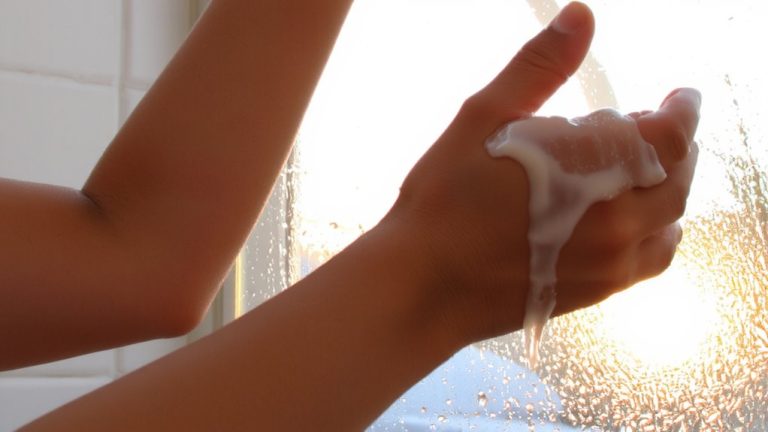
What if your gua sha routine could deliver better lift, glow, and product absorption with just a few tweaks? To get the most from your oil for gua sha, use facial oil after cleansing and misting your face. Apply 2–4 pumps of a lightweight and non-comedogenic best facial oil, like jojoba or rosehip, to damp skin. Warm it in your palms, then press it evenly onto the skin on your face, neck, and décolletage. This boosts absorption and guarantees smooth tool glide. Hold your smooth-edged tool at a 15-degree angle, using slow, upward 3-second strokes. Finish by leaving the facial oil on as the last step in your skincare routine-blot gently if needed.
| Step | Action | Purpose |
|---|---|---|
| 1 | Apply oil to damp skin | Enhances absorption |
| 2 | Warm oil in palms | Promotes even distribution |
| 3 | Use slow, angled strokes | Boosts circulation, lift |
| 4 | Leave oil on overnight | Locks in hydration, nourishes |
Can You Mix Oils for Gua Sha?
Why settle for a single oil when your gua sha routine could benefit from a tailored blend? Mixing oils for gua sha is not only safe-it’s smart. Combining rosehip seed oil with stable carriers like jojoba oil boosts shelf life and delivers essential fatty acids without clogging pores. Try blending squalane oil with grapeseed oil for lightweight hydration and antioxidant protection, perfect for acne-prone skin. Face Oils for Gua sha thrive on synergy: macadamia oil, rich in omega-7, pairs with soothing oat oil to calm inflammation. For extra glide and nourishment, add a drop of Sweet Almond Oil to your mix. Many use The Ordinary’s 100% Organic Cold-Pressed Rose Hip Seed Oil with non-comedogenic bases to enhance tolerance. You’ll get better absorption, smoother massage, and stronger skin barrier support. With the right oils for gua, your routine becomes more effective, customizable, and skin-friendly-every single time.
On a final note
You’ve got this: pick a lightweight, non-comedogenic oil like squalane or jojoba, use 3–5 drops, and warm it between palms before gliding your Gua Sha tool. It’s not just about slip-it’s about boosting circulation, reducing puffiness, and locking in hydration. Testers saw smoother texture and lifted contours in 2 weeks. Mix oils if needed, but avoid coconut or mineral oil-they clog pores. Consistency beats complexity; stick to clean, simple routines for real results.