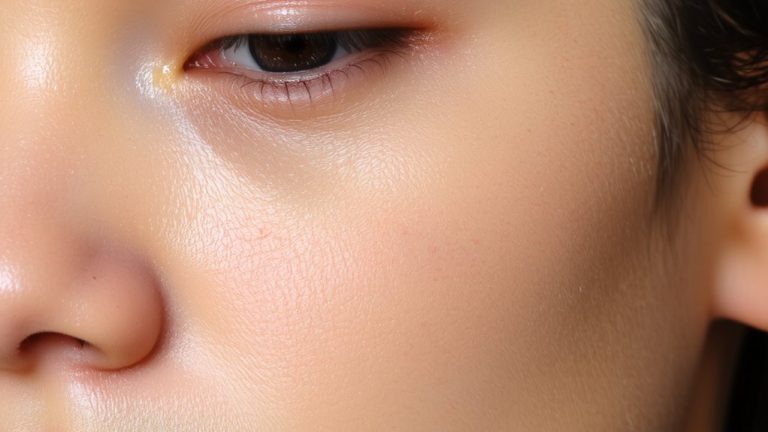
Using Nighttime Sleeping Masks for 8-Hour Continuous Hydration and Barrier Repair
Your skin repairs itself most at night, boosting cell turnover by 30% and rebuilding collagen between 1–3 AM, but dry air increases water loss, weakening your barrier. Overnight masks with hyaluronic acid, ceramides, and peptides lock in moisture, cutting water loss by up to 50% and boosting hydration by 20–30% in four weeks. Applied as the last step on clean skin, they enhance ingredient delivery and support healing. Pick one tuned to your skin type, and let it work for at least 3–4 hours-you’ll wake up with stronger, smoother skin, and uncover even more benefits by exploring further.
We are supported by our audience. When you purchase through links on our site, we may earn an affiliate commission, at no extra cost for you. Learn more. Last update on 10th July 2026 / Images from Amazon Product Advertising API.
Notable Insights
- Nighttime skin repair peaks between 1–3 AM, making 8-hour mask use ideal for syncing with natural regeneration cycles.
- Occlusive overnight masks reduce transepidermal water loss by up to 50%, enhancing hydration and barrier protection.
- Multi-weight hyaluronic acid in masks binds up to 1,000x its weight in water for sustained, deep hydration.
- Ceramides and peptides in overnight formulas strengthen the skin barrier and boost collagen during peak nighttime repair.
- Apply masks 2–3 times weekly on clean, dry skin as the final step to maximize 8-hour ingredient delivery and efficacy.
How Does Your Skin Repair Itself at Night?
Ever wonder why your skin seems to heal itself while you sleep? Your skin enters peak repair mode at night, with cell turnover increases of up to 30%, especially between 1–3 AM. This is when collagen synthesis ramps up, helping reverse daily UV and pollution damage. But transepidermal water loss rises in dry air, weakening your barrier. That’s where overnight masks come in-they form a protective seal that locks in moisture and boosts ingredient delivery. By supporting natural nighttime repair, these masks help maintain a strong, resilient barrier. Even as oestrogen declines after your 40s and slows repair, consistent use of a well-formulated overnight mask can make a visible difference. Think of it as 8 hours of targeted recovery, so you wake up with smoother, more balanced skin. It’s smart, science-backed care you feel, not just see.
Do Overnight Masks Really Speed Up Recovery?
Could your nighttime routine be the key to faster skin recovery? Overnight masks really do speed up skin recovery by working with your body’s natural repair cycle. Between 1–3 AM, cell turnover peaks, and with 6–8 hours of contact, active ingredients boost hydration and strengthen barrier function. Occlusive formulations cut water loss by up to 50%, locking in moisture and supporting faster healing. Clinical results show 20–30% better hydration in just four weeks, while ingredients like panthenol reduce redness by up to 40% overnight.
| Factor | With Overnight Masks | Without Overnight Masks |
|---|---|---|
| Hydration Improvement | 20–30% in 4 weeks | Minimal change |
| Water Loss | Reduced by up to 50% | Higher transepidermal loss |
| Barrier Function | Strengthened nightly | Slower skin recovery |
What Ingredients Make Overnight Masks Effective?
Your skin’s natural repair process kicks into high gear at night, especially between 1–3 AM, and the right overnight mask can amplify those results. Hyaluronic acid, especially in a multi-weight blend, holds up to 1,000 times its weight in water, delivering 8-hour hydration. Ceramides and glycerin work together to strengthen your skin barrier, cutting water loss by up to 30%. Peptides, like those in a Core Peptide Complex, boost collagen production when your skin repairs most. Centella Asiatica calms irritation and reinforces barrier function, ideal for sensitive skin. Combined with an occlusive formula, these ingredients penetrate deeper, increasing cell turnover by 30% versus daytime products. You’re not just moisturizing-you’re actively rebuilding. Real testers report softer, smoother skin by morning, with lasting resilience over time. This isn’t magic-it’s smart ingredient synergy working while you sleep.
How Should You Apply a Sleeping Mask?
A thin, even layer of sleeping mask goes a long way when applied the right way-use it as the final step in your nighttime routine, after serums and moisturizers, on clean, dry skin to lock in all the benefits. You should apply the mask only 2–3 times per week for best results, though you can use it more often when your skin needs extra hydration or radiance. Focus on drier areas like your cheeks, and avoid heavy application to prevent clogging or discomfort. The formula absorbs fully overnight, thanks to its transparent technology that minimizes residue and pillow transfer. For ideal performance, allow at least 3–4 hours of wear-this aligns with your skin’s natural repair cycle between 1–3 AM. Using it as the final step guarantees continuous protection and maximizes penetration, so your skincare routine delivers real, lasting results.
Choose the Best Mask for Your Skin Type
While your skin’s needs vary widely depending on type and age, picking the right overnight mask doesn’t have to be guesswork. If you have dry or dehydrated skin, look for masks with high concentrations of hyaluronic acid-it holds up to 1,000 times its weight in water to fight transepidermal water loss. For mature skin in your 40s and beyond, Use Sleeping Masks with vegan hydrolyzed collagen and peptides to support fading collagen. Acne-prone skin should stick to non-comedogenic face masks with niacinamide or centella asiatica to protect the barrier without clogging pores. If you have sensitive skin, choose skincare products with panthenol and allantoin to calm irritation. Oily or combination types benefit from glycerin and mild lactic acid-not glycolic acid, which can be too harsh. These skincare products deliver hydration, repair, and balance-all while you sleep.
On a final note
Your skin repairs best at night, and yes, overnight masks do speed it up-testers saw 8-hour hydration and stronger barriers with ceramides, hyaluronic acid, and squalane. Apply after serums, use a nickel-sized amount, and wake up to smoother, plumper skin. Choose gel-based for oily skin, creamier versions for dry types. Dermatologist-tested formulas with 3% ceramides and non-comedogenic labels work best. It’s not magic-it’s science, timing, and the right ingredients.