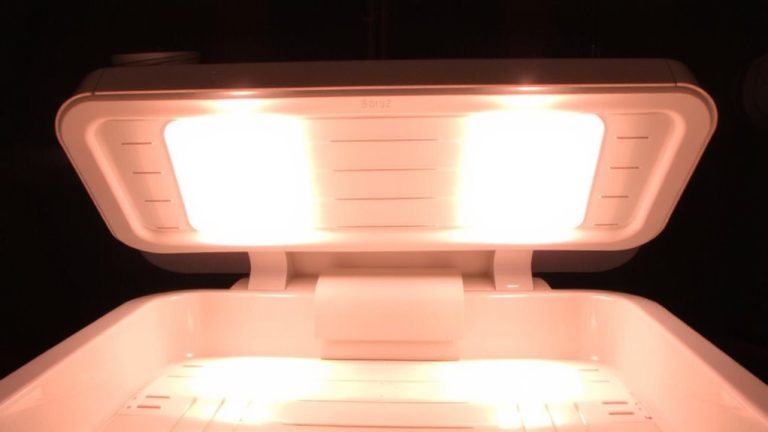
Understanding FDA Regulations on Commercial Indoor Tanning Equipment Usage
You’re exposed to intense UV radiation in tanning beds-up to 15 times stronger than midday sun-regulated by the FDA as Class II devices with a black-box warning, but federal under-18 bans were withdrawn in 2026 despite 8,000+ comments, leaving rules to states like California and New Jersey that ban minors, while warnings fail to curb high-risk use, especially with 60% of Gen Z wrongly believing base tans protect skin. Next, discover how this affects long-term skin health and real alternatives for safe glow.
We are supported by our audience. When you purchase through links on our site, we may earn an affiliate commission, at no extra cost for you. Learn more. Last update on 22nd June 2026 / Images from Amazon Product Advertising API.
Notable Insights
- The FDA classifies indoor tanning devices as class II medical devices requiring special controls for safety.
- The FDA proposed a rule to ban under-18 tanning but officially withdrew it in March 2026.
- Over 8,000 public comments were submitted during the review of the proposed under-18 tanning ban.
- The FDA mandates a black-box warning on tanning beds about cancer risks, though it’s not federally enforceable.
- Current FDA policies advise against teen tanning, but regulations largely depend on variable state laws.
FDA Withdraws Proposed Under-18 Tanning Bed Ban
So, what happens when a rule meant to protect teens from UV risks vanishes? The FDA withdrew its proposed rule that would’ve banned under-18 use of indoor tanning devices, ending federal efforts to restrict access. Even though the agency classifies tanning beds as class II medical devices and still advises against use by teens, the black-box warning isn’t enforceable. Without the rule, states set their own laws, leaving many teens exposed to harmful UV radiation. Skin cancer, including melanoma, rises with early tanning exposure, and without federal oversight, risks grow. The withdrawal, signed in March 2026 under Docket No. FDA-2015-N-1765, followed over 8,100 public comments. Despite health concerns, the FDA’s action means you must rely on local laws-and your own judgment-to avoid danger. Tanning isn’t worth the cost: one indoor session increases melanoma risk by 20%.
How Tanning Beds Cause Skin Cancer
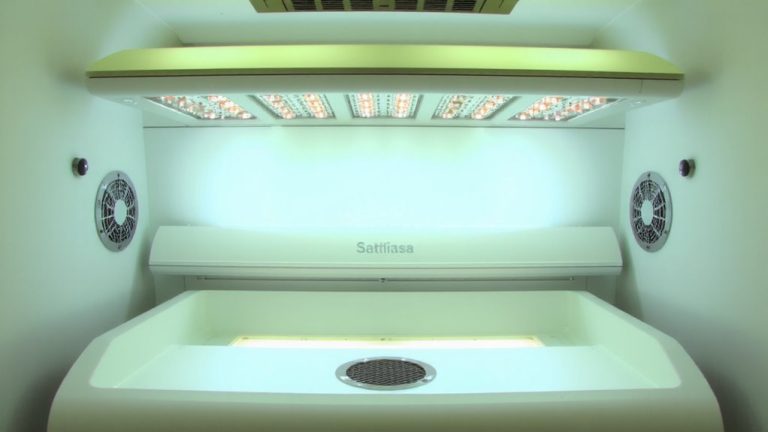
While you might think a golden glow adds warmth to your complexion, the truth is that tanning beds deliver UV radiation up to 15 times more intense than midday sun, directly damaging the DNA in your skin cells and setting the stage for uncontrolled growth that can lead to skin cancer. You’re exposed to concentrated UV radiation that’s classified as a known human carcinogen-on par with tobacco. Indoor tanning causes DNA damage and cell mutation, sharply raising your melanoma risk, especially if you start before age 20. Just one session increases cumulative UV exposure. A 2025 study found melanoma in 5% of tanning bed users versus 2% of non-users. Plus, UV exposure triggers procollagen suppression and accelerates photoaging, weakening skin’s resilience. Skip the tanning beds-your glow should never come at the cost of long-term health.
Which States Ban Minors From Indoor Tanning?
If you’re considering indoor tanning, it’s important to know that rules vary by state-especially when it comes to minors. Several states ban indoor tanning for anyone under 18, including California, Delaware, Illinois, and the District of Columbia. These states have strict laws in place to protect young people from UV exposure, recognizing the risks involved. In other states, parental consent is required for minors to use tanning beds, though the age limits differ. Some allow teens as young as 14 to tan with permission, while New Jersey bans anyone under 17. Kansas and Minnesota also enforce a full under-18 ban. Always check your local regulations before booking a session-your state’s rules could mean the difference between approval and denial, even with parental consent.
Why Warnings Aren’t Enough to Protect Teens
| Risk Factor | Tanning Bed Users | Non-Users |
|---|---|---|
| Melanoma Rate | 5% | 2% |
| UV Exposure Before 20 | 49% higher risk | N/A |
| Base Tan Belief Among Gen Z | 60% | 0% |
On a final note
You’re safer avoiding tanning beds altogether, especially under 18, since UV exposure raises skin cancer risk by up to 75% with early use. While the FDA dropped its under-18 ban, 13 states still enforce it. Warnings help, but they’re not enough. Protect your skin daily with broad-spectrum SPF 30+, wear mineral-based makeup with zinc oxide, and choose fragrance-free moisturizers. Skip UV lamps, embrace self-tanners like DHA serums, and get annual skin checks-your glow should never cost your health.