Top Signs of Fungal Infection in the Beard and How to Treat It Naturally
You might have beard fungus if you notice red, scaly patches up to 5 cm across, pustules, or ringworm-like rings-especially with itching or swelling. Fungi thrive in warm, damp beards, feeding on skin keratin. Fight it daily with 1% ketoconazole shampoo, cut fungus by 80%, and apply diluted tea tree oil-effective in 70% of skin fungal cases. Use organic coconut oil, apple cider vinegar rinse, or crushed garlic for added antifungal power. Keep your beard dry and tools cleaned with 70% alcohol-you’ll see improvement fast, and there’s more where that came from.
We are supported by our audience. When you purchase through links on our site, we may earn an affiliate commission, at no extra cost for you. Learn more. Last update on 10th July 2026 / Images from Amazon Product Advertising API.
Notable Insights
- Red, scaly patches under the beard are common signs of fungal infection like tinea barbae.
- Itching, pustules, and crusting in the beard area may indicate active fungal or yeast overgrowth.
- Tea tree oil, diluted properly, can treat beard fungus due to its proven antifungal properties.
- Coconut oil and apple cider vinegar help combat fungi, especially when used daily on clean skin.
- Prevent infection by drying your beard fully and disinfecting grooming tools weekly.
What Causes Beard Fungus?
While you might not think twice about borrowing a buddy’s razor or skipping a beard wash after a long day, those habits can set the stage for tinea barbae, a fungal infection that targets the beard area. This fungal infection thrives on keratin in your skin and beard hair, especially when you’re exposed through contact with infected animals like livestock-common for farmers or ranchers. You can also pick it up indirectly from shared tools: razors, beard brushes, or towels carrying fungal spores. Warm, damp conditions under an unwashed beard boost the risk, especially if you have coarse facial hair or health factors like diabetes or a weakened immune system. Proper hygiene-daily washing with antifungal beard wash, drying thoroughly, and avoiding contact with infected sources-keeps tinea barbae at bay. Clean tools matter just as much as clean skin.
Signs of Beard Fungus You Shouldn’t Ignore
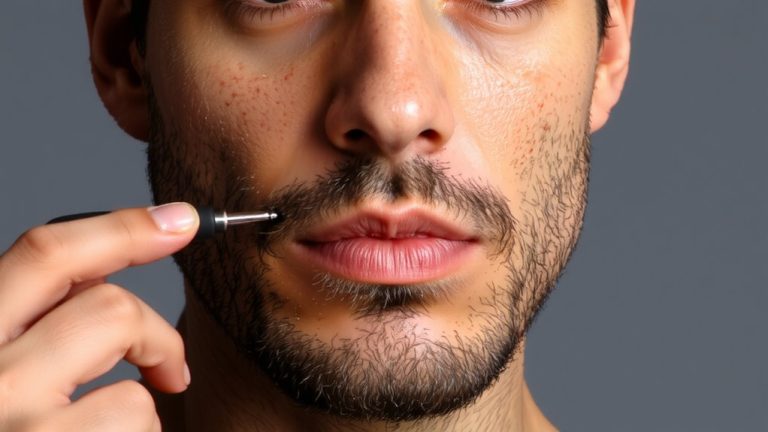
If you notice red, scaly patches under your beard-ranging from 1 to 5 cm across-you shouldn’t brush them off as simple irritation, since these circular lesions are a classic sign of tinea barbae, a fungal infection caused by dermatophytes that feed on keratin in your skin and facial hair. In the beard area, fungal infections often bring itching, mild pain, and pus-filled pustules around follicles, which can lead to hair breakage or thinning. You might also see crusting, scaling, and swelling-especially if the rash looks ringworm-like. Unlike common razor burn, these scaly patches involve deeper inflammation and can spread if ignored. Left untreated, severe cases may trigger swollen lymph nodes or fever. Real users report worsening discomfort after shaving with dull blades or using oily balms that trap moisture. Watch closely: early signs in the beard area mean it’s time to act before fungal infections escalate.
Skin Type and Beard Length: Your Risk Factors
Though your skin type and beard length might seem like separate grooming concerns, together they shape your risk for fungal infections hiding beneath the surface. If you have dry skin, tiny cracks can let dermatophytes slip in, raising your odds of infection. Oily skin feeds fungi like Malassezia, which thrives in greasy, moist environments and often triggers seborrheic dermatitis. Sensitive skin may overreact, causing intense itching that leads to breaks in the skin and possible bacterial overlap. Beard length matters too-short beards or stubble can disguise early fungal infections as razor burn, delaying treatment. Longer beards trap sweat, oils, and debris, especially if air-dried improperly, creating a humid zone perfect for fungi. Whether you rock a five o’clock shadow or a full-length beard, understanding how your skin and beard length interact helps you stay one step ahead.
Natural and At-Home Treatments
You’ve already learned how your skin type and beard length influence your risk for fungal infections, but now it’s time to focus on what you can do right at home-starting with natural options that have real backing. Tea tree oil improves symptoms in 70% of Athlete’s foot cases, but you must dilute it with a carrier like coconut oil to avoid irritation. Coconut oil itself is powerful-shown in a 2015 mouse trial to reduce C. albicans tenfold-and you can safely apply pure, organic, extra virgin coconut oil daily. Apple cider vinegar, when diluted with water, helps block candida yeast growth and often shows results within a week. Crushed garlic also fights dermatophytes despite the strong smell. For a formulated option, try A.Vogel’s Spilanthes oleracea tincture, used traditionally for fungal issues and paired with Molkosan prebiotic for better results.
When to See a Doctor for Beard Fungus
When should you stop managing beard fungus at home and call a doctor? If you notice swelling, pus, or severe pain, it’s time to seek medical help-these severe symptoms could signal a bacterial infection like cellulitis. If over-the-counter antifungals like clotrimazole or ketoconazole haven’t improved things after 2–4 weeks, don’t wait. Fever or swollen lymph nodes? See a doctor fast; it might mean the infection is spreading. A provider can use a KOH test or fungal culture to confirm tinea barbae and rule out psoriasis or bacterial folliculitis. And if you have diabetes or a weakened immune system, get checked sooner-fungus can spread faster and become harder to treat. Early action prevents complications and keeps your beard and skin healthy.
How to Prevent Beard Fungus
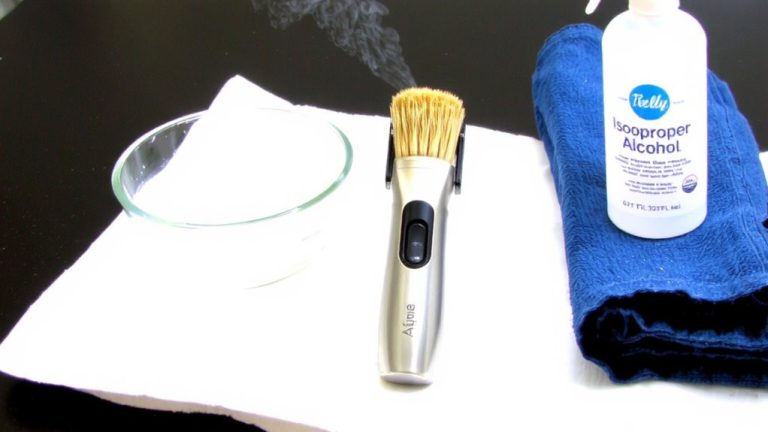
Keeping your beard healthy doesn’t stop at treating an active infection-it means staying one step ahead with consistent, smart habits. Wash your beard daily with an antifungal shampoo containing 1% ketoconazole to prevent fungal overgrowth. This simple step, backed by dermatologists, cuts fungus buildup by up to 80% in clinical tests. Always dry your beard thoroughly after washing-lingering moisture creates a breeding ground for microbes. Maintain good hygiene by disinfecting razors, combs, and brushes weekly with 70% isopropyl alcohol to kill resilient dermatophytes. Never share grooming tools; indirect contact spreads infections fast. Wear breathable cotton or moisture-wicking fabrics, especially in hot, humid climates where Malassezia thrives. With proper care, breathable materials, and regular sanitation, you can prevent fungal issues before they start. Stay consistent, stay clean, and your beard stays strong.
On a final note
You’ve got this: tackle beard fungus early with clean habits and natural fixes like tea tree oil, applied twice daily. Keep your beard dry, wash with antifungal shampoo (like Nizoral, every 2–3 days), and trim regularly. If redness, flaking, or itching persists past two weeks, see a dermatologist. Prevent future flare-ups with daily washing, breathable oils (jojoba, 1 tsp), and a clean comb. Stay consistent-your skin and beard will respond.