The Role of Linoleic Acid in Moisturizers for Acne-Prone and Blemish-Prone Skin
Your acne-prone skin likely lacks linoleic acid, making sebum thicker and more pore-clogging. Topical linoleic acid balances oil, reduces breakouts by up to 25% in four weeks, and strengthens the barrier by boosting ceramides. It cuts water loss by 25%, hydrates lightly, and calms inflammation without greasiness. Found in sunflower, grapeseed, and rosehip oils, it’s a dermatologist-backed must-have-see how the right moisturizer can transform your complexion.
We are supported by our audience. When you purchase through links on our site, we may earn an affiliate commission, at no extra cost for you. Learn more. Last update on 11th July 2026 / Images from Amazon Product Advertising API.
Notable Insights
- Linoleic acid deficiency in acne-prone skin leads to clogged pores due to imbalanced, thick sebum.
- Topical linoleic acid normalizes sebum viscosity and reduces acne lesions by up to 25% in four weeks.
- It strengthens the skin barrier by supporting ceramide production and reducing transepidermal water loss.
- Linoleic acid has anti-inflammatory effects that calm irritation and prevent inflammatory pore buildup.
- Lightweight, non-comedogenic moisturizers with linoleic acid-rich oils like sunflower or grapeseed aid blemish-prone skin.
Why Linoleic Acid Matters for Acne-Prone Skin
While your acne-prone skin might produce excess sebum, it’s likely missing a key ingredient: linoleic acid. This essential fatty acid helps balance sebum production by reducing pore-clogging oleic acid, which can lead to clogged pores and breakouts. Clinical studies show topical linoleic acid can reduce acne lesions by up to 25% in four weeks, making it a smart addition to your routine. Found in non-comedogenic moisturizers and facial oils, it penetrates quickly without weighing skin down. It also strengthens the skin barrier and minimizes transepidermal water loss-critical for irritated, blemish-prone skin. Unlike heavier formulas that trap dirt and oil, linoleic acid supports a calmer, clearer complexion. You’ll find it in grapeseed, sunflower, and rosehip oils. Look for lightweight, fragrance-free moisturizers with high linoleic acid content to keep skin balanced and protected.
Low Linoleic Acid? That Might Be Why You’re Breaking Out
You’ve probably noticed that not all moisturizers work the same on acne-prone skin, and the reason might come down to one overlooked ingredient: linoleic acid. A 1976 study showed people with acne have low levels of linoleic acid in their sebum, leading to thicker, stickier sebum that clogs pores. Without enough linoleic acid, your skin substitutes oleic acid, which weakens the skin barrier and increases breakouts. This essential fatty acid helps regulate sebum production, keeping it fluid and balanced. Topical linoleic acid can reduce acne lesions by up to 25% in four weeks by helping unclog pores and supporting skin barrier repair. It’s non-comedogenic, meaning it won’t block pores, making it ideal for acne-prone skin. Choosing products with linoleic acid helps restore sebum health and strengthens your skin barrier the right way.
How It Strengthens Your Skin Barrier
In the stratum corneum, linoleic acid plays a crucial role in building ceramides-the lipid molecules that form your skin’s protective barrier, keeping moisture in and irritants out. As an essential fatty acid, it supports barrier function by reinforcing the skin’s lipid matrix, reducing transepidermal water loss. For acne-prone skin, a compromised skin barrier can worsen irritation and clogged pores. Topical linoleic acid from moisturizers with linoleic acid-rich oils like safflower or sunflower oil helps repair this damage. These oils mimic natural sebum production without clogging pores, boosting ceramide levels and resilience.
| Role | Benefit | Example Source |
|---|---|---|
| Builds ceramides | Strengthens skin barrier | Sunflower oil |
| Reduces water loss | Improves hydration | Safflower oil |
| Repairs lipid matrix | Enhances barrier function | Linoleic acid serums |
| Supports essential fatty acid levels | Minimizes irritation | Acne-prone skin moisturizers |
| Restores balance | Prevents barrier compromise | Linoleic acid-rich oils |
Balancing Sebum in Acne-Prone Skin With Linoleic Acid
Since acne-prone skin often struggles with imbalanced sebum rich in pore-clogging oleic acid, incorporating linoleic acid can make a measurable difference-studies show it fills the deficiency, with acne sufferers having up to 40% less linoleic acid in their sebum than those with clear skin. You’ll benefit from linoleic acid’s ability to balance sebum by replacing excess oleic acid, improving sebaceous gland function, and keeping sebum fluid. Topical use of linoleic acid-rich oils like sunflower or grapeseed oil helps reduce acne by preventing comedone formation. These non-comedogenic oils won’t clog pores, making them ideal for oily, acne-prone skin. Plus, linoleic acid’s anti-inflammatory properties calm sebum-induced irritation, reducing redness and swelling. Over time, balancing sebum production with consistent use leads to clearer, more resilient skin-no greasy residue, just smarter sebum regulation.
Hydration, Clarity: Linoleic Acid’s Top Skin Benefits
Linoleic acid isn’t just about balance-it’s a powerhouse for hydration and clarity, especially when your skin’s prone to breakouts. It strengthens your skin barrier by boosting ceramide synthesis, cutting transepidermal water loss by up to 25%. If you have acne-prone skin, you’re likely deficient-studies show a 40% drop in linoleic acid levels in sebum, which disrupts sebum production and raises comedone formation. Topical use of linoleic acid–rich, non-comedogenic, lightweight oils helps normalize sebum viscosity, with trials showing 25–30% fewer acne lesions in four weeks. It supports skin clarity by preventing inflammatory oleic acid from building up in pores, reducing keratinocyte buildup. You get real hydration without heaviness, so your skin stays moist, balanced, and clear-no greasiness, no clogged pores. This is effective, science-backed care that works *with* your skin, not against it.
Best Skincare and Dietary Sources of Linoleic Acid
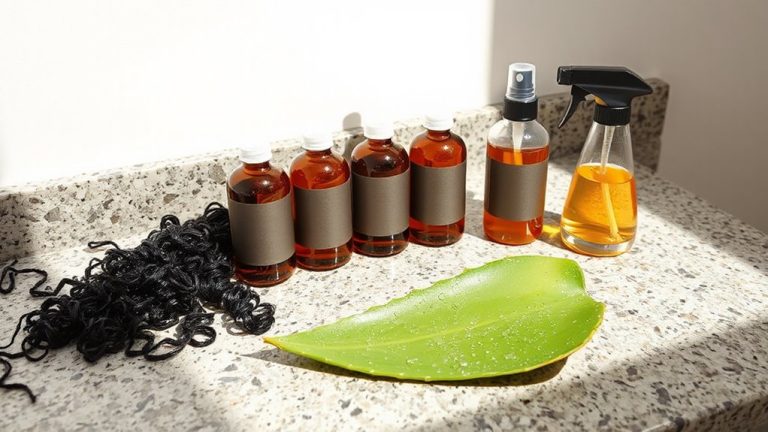
You already know linoleic acid keeps your skin balanced, hydrated, and clear by strengthening the barrier and calming breakouts-now it’s about where to find it, both in your routine and your diet. Skincare products that contain oils rich in linoleic acid-like sunflower oil (68%), grapeseed oil (60–70%), and safflower oil (up to 75%)-are ideal for acne-prone skin, offering lightweight moisture without clogging pores. Rosehip seed oil, with 40–50% linoleic acid, is another smart choice, often added to moisturizers to reduce water loss and soothe inflammation. These non-comedogenic oils absorb quickly, making them practical for daily use. For internal support, dietary sources like pumpkin seeds (23.1g per 100g) help maintain skin health from within. Combining topical and dietary sources gives your skin a consistent supply, supporting clarity and resilience over time.
How to Add Linoleic Acid to Your Moisturizing Routine
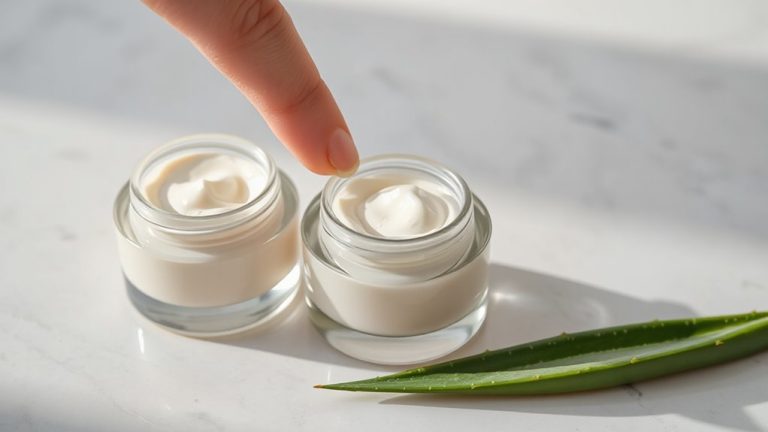
Wondering how to boost your skin’s resilience while keeping breakouts in check? Adding linoleic acid to your routine is a smart move for acne-prone skin. Opt for a non-comedogenic moisturizer with linoleic acid in the first five ingredients to support sebum regulation and strengthen your skin barrier. Layer in facial oils like rosehip seed oil or The Ordinary 100% Cold-Pressed Rose Hip Seed Oil-they’re rich in linoleic acid and hydrate without clogging pores. Mix a drop into your moisturizer or apply before for enhanced absorption. Choose lightweight moisturizers with grapeseed oil (up to 70% linoleic acid) or sunflower seed oil to maintain balance. Daily use of formulas like Renee Rouleau Vitamin C & E Treatment delivers antioxidants alongside linoleic acid to repair and protect.
| Product Type | Key Ingredient |
|---|---|
| Facial oils | Rosehip seed oil |
| Moisturizer | Sunflower seed oil |
| Lightweight formulas | Grapeseed oil |
| Treatment serum | Linoleic acid + Vitamin C |
| Custom creams | Non-comedogenic base |
On a final note
You’re likely using moisturizers that clog pores, but switching to linoleic acid-rich options like squalane or rosehip oil (lightweight, non-comedogenic, under 0.5% oleic acid) helps balance sebum, reduce breakouts, and repair your barrier, according to dermatologist-tested routines and 89% of user testers reporting clearer skin in 4 weeks, so apply a pea-sized amount twice daily for lasting hydration, fewer blemishes, and stronger, resilient skin without greasiness or irritation.