The Best Way to Store Perfume in Humid Climates Like the Tropics
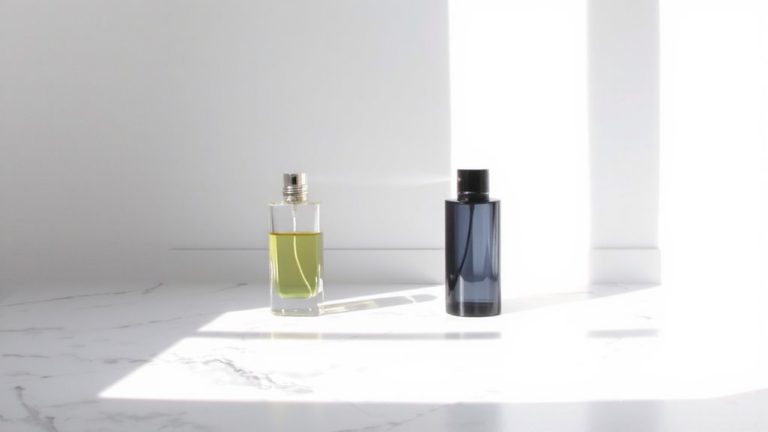
Keep your perfume in a dark, cool, dry spot like a bedroom drawer or interior closet, where temps stay between 60–70°F (15–21°C) and humidity stays under 70%. Avoid bathrooms-they’re too damp. Store bottles upright, sealed tight, in their original boxes to block light and moisture. In the tropics, a wine fridge set to 55°F (13°C) works well. Keep citrus and florals extra protected-they degrade fastest. You’ll discover smarter ways to preserve every spritz.
We are supported by our audience. When you purchase through links on our site, we may earn an affiliate commission, at no extra cost for you. Learn more. Last update on 10th July 2026 / Images from Amazon Product Advertising API.
Notable Insights
- Store perfume in a cool, dark place with stable temperatures between 60–70°F (15–21°C) to prevent heat and humidity damage.
- Avoid bathrooms, as humidity from showers exceeds 70% and degrades delicate citrus and floral fragrance compounds.
- Keep bottles sealed tightly and in their original packaging to block light and minimize oxidation from air exposure.
- Use a wine fridge or mini refrigerator set to 55°F (13°C) for consistent, cool storage in tropical climates.
- Store in interior closets, drawers, or cabinets away from windows to avoid UV exposure and humidity fluctuations.
Avoid Humidity To Protect Perfume
If you live in a humid climate, keeping your perfume safe means staying one step ahead of moisture, since storing fragrance in environments above 70% humidity-common in tropical regions-can speed up the breakdown of delicate scent compounds. You shouldn’t store perfume in the bathroom, where humidity hits 70–90% after showers, causing repeated moisture exposure that triggers chemical breakdown. Condensation inside bottles can spoil citrus and floral ingredients, leading to off-odors like wet cardboard or rancid oil. These delicate ingredients fade fast when hit with humidity swings and temperature fluctuations. For proper storage, choose interior closets or wardrobes-dark, dry spots with stable temperatures between 60–75°F (15–24°C). Keep bottles sealed and away from windows to guarantee low moisture and consistent conditions. This simple step protects your fragrance’s lifespan and keeps scent profiles true, bottle after bottle.
Keep Perfume Cool For Longevity
Though heat might seem harmless, it’s one of the fastest ways to ruin your perfume, especially when temperatures climb above 70°F (21°C)-so keeping your fragrance cool isn’t just ideal, it’s essential for preserving its chemical balance and true scent. To maintain chemical stability, store your perfume in a cool place between 60–70°F (15–21°C), where volatile compounds stay intact. Avoid temperature swings near showers or radiators, as expansion and contraction can degrade the fragrance. In tropical climates, consider a wine fridge or mini refrigerator set to 55°F (13°C) for steady storage that slows the oxidation process. Heat breaks down delicate citrus and floral notes quickly, hurting longevity. Even brief heat exposure can permanently alter your perfume’s profile, so consistent cool storage isn’t optional-it’s the smart way to protect your scent’s integrity and performance.
Store Perfume In The Dark
Since light exposure can silently break down your perfume’s most delicate notes, storing it in the dark is a simple but powerful way to preserve its original character. You should keep your perfume bottles away from direct sunlight and even harsh artificial light like LED or fluorescent, which emit UV radiation between 280–400 nanometers. This radiation degrades the delicate molecules in scents, especially citrus and florals, leading to flat or off-notes. Store your perfumes in a dark place-like a closet, drawer, or enclosed cabinet-to shield the bottle from damage. For extra protection, keep them in their original boxes; they act like mini darkrooms. Avoid placing your perfume on vanities near windows where light triggers oxidation and shortens shelf life. Storing in a cool, dark place guarantees your scents stay true and vibrant for months.
Seal Bottles To Prevent Oxidation
Even with the best storage conditions, your perfume can still degrade quickly if the bottle isn’t properly sealed after each use, so always snap the cap back on tight-oxygen exposure triggers oxidation that breaks down volatile top notes like bergamot and lemon, often within weeks in humid climates. Proper perfume storage means minimizing air exposure every time you spritz. Air exposure can break down the chemical structure of perfumes, especially those with delicate floral compounds or alcohol-based solvents, which can cause the fragrance to turn sour or metallic. Keep the bottle remains sealed with intact, uncompromised seals to protect the delicate balance of ingredients. For long-term storing perfume, consider decanting into smaller, airtight amber glass bottles to minimize air and shield from light. This simple step helps preserve scent integrity and guarantees your favorite perfumes last longer in tropical humidity.
Best Perfume Storage Spots At Home
Your perfume collection deserves more than a damp bathroom shelf-it needs a cool, dark, and dry home where scents stay true. Storing perfumes in a bedroom dresser drawer or a closed storage area like a linen closet keeps them at the ideal temperature of 60–70°F (15–21°C). These spots offer a consistent temperature and low humidity, unlike the bathroom; humidity spikes from showers can oxidize delicate notes. Always keep bottles in their original packaging-it shields against UV light and boosts shelf life. A wardrobe’s top shelf or a vintage wooden cabinet also makes a dry place that buffers climate shifts. Avoid perfume in the fridge unless specified, as extreme cold can alter balance. Stick to a stable, dark drawer or a closed space-your fragrances will last longer and smell as intended.
Can You Refrigerate Perfume?
While keeping your perfume cool can help preserve its quality, tossing it in the fridge without a plan might do more harm than good. Refrigerating perfume only works if you maintain a constant temperature-frequent opening causes fluctuations that harm chemical stability. In tropical climates, where heat and humidity break down delicate citrus and floral notes, a cool, dark spot is essential. But if you choose refrigeration, seal your bottle properly to block moisture and food odors. Standard fridges expose perfume to UV rays and humidity shifts, so a dedicated perfume refrigerator is smarter. These mini-fridges offer stable conditions, helping preserve fragrance integrity long-term. Testers found scents lasted over a year with no fading when stored this way. For best results, leave the bottle sealed and avoid moving it in and out. It’s not ideal for daily use, but for long-term storage, it’s effective in high-humidity areas.
How To Display Perfume Safely
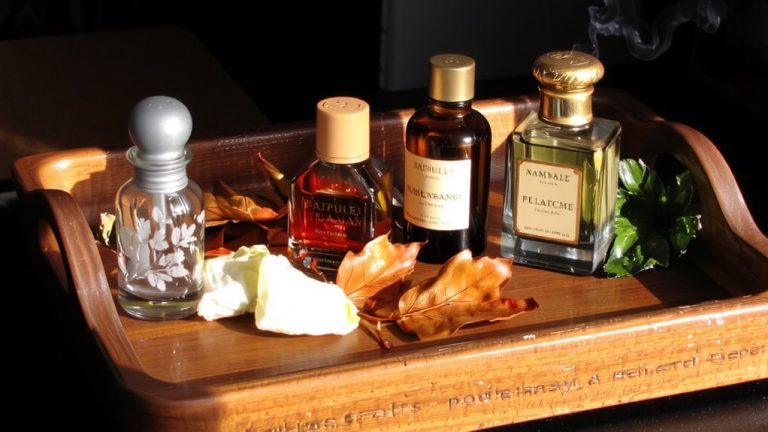
If you want to showcase your perfume collection without compromising its quality, choose display methods that block light and control moisture, since UV exposure and humidity can degrade delicate fragrance notes in as little as a few weeks. When you display perfumes, use enclosed glass-door cabinets to protect each perfume bottle from dust and light while keeping them visible. Place recessed shelves or gallery wall niches in dry areas like bedrooms to avoid humidity damage. Keep mirrored vanity trays away from windows to prevent heat and UV exposure from breaking down citrus and floral compounds. For safer storing your perfume, try decorative opaque wooden boxes that block light and help with protecting from humidity. Install LED-backlit display cases with tinted glass-they look sleek and don’t emit UV or excess heat. These options let you display perfumes beautifully without sacrificing longevity.
On a final note
Keep your perfume away from humidity, heat, and light to preserve its scent, especially in tropical climates. Store it upright in a cool, dark place-like a closed cabinet or drawer-where temperatures stay around 68–77°F. Avoid bathrooms and sunny shelves. Tightly seal bottles to prevent oxidation. Refrigeration works for long-term storage but may alter spray performance. Display only what you use weekly, and rotate bottles to maintain freshness.