Step-by-Step Guide to Using a Scalp Scrub for Dandruff and Flaking
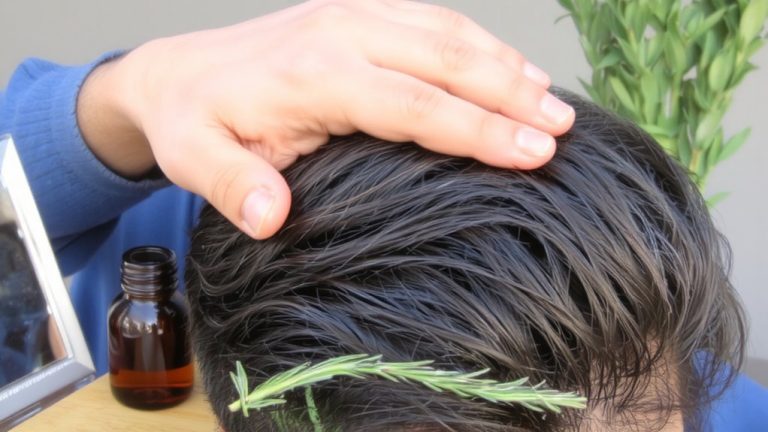
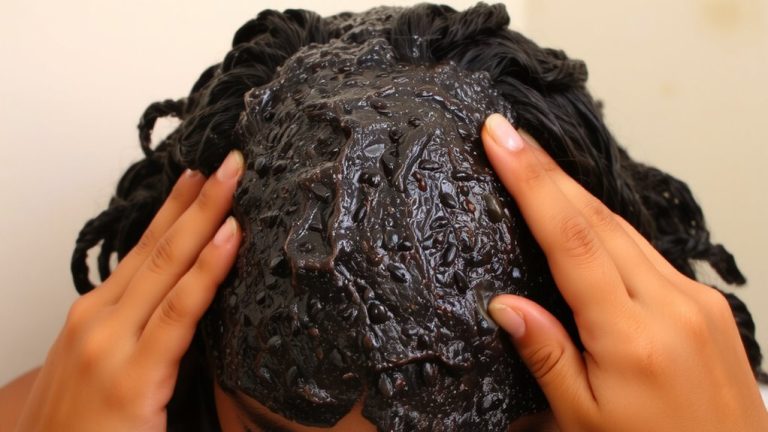
Use a pea-sized amount of scalp scrub with salicylic acid or tea tree oil on damp hair, focusing on flaky areas. Massage in gentle, circular motions for two minutes using your fingertips to loosen dead skin and clear buildup at the roots. Rinse thoroughly with lukewarm water-residue can worsen flaking. Follow with a moisturizing conditioner to prevent dryness. Stick to once or twice weekly to avoid irritation and keep flakes under control, especially if you have dandruff. You’ll see smoother, clearer results with consistent, targeted exfoliation.
We are supported by our audience. When you purchase through links on our site, we may earn an affiliate commission, at no extra cost for you. Learn more. Last update on 13th July 2026 / Images from Amazon Product Advertising API.
Notable Insights
- Apply a palm-sized amount of scalp scrub to wet hair, focusing on areas with visible flakes or buildup.
- Massage gently with fingertips in circular motions for 2–3 minutes to loosen dead skin and unclog follicles.
- Choose a scrub with salicylic acid or tea tree oil to target dandruff-causing buildup and yeast.
- Rinse thoroughly with lukewarm water to remove all residue and prevent irritation from leftover particles.
- Use once or twice weekly and follow with moisturizing conditioner to avoid dryness and over-exfoliation.
Why Scalp Scrubs Stop Flakes
Ever wonder why flakes keep coming back, even after you’ve washed your hair? Your scalp naturally sheds skin, but when dead skin cells pile up, they mix with oil and yeast, causing dandruff-over 50% of people deal with it. A good scrub stops this by exfoliating, helping remove dead skin cells before they become visible flakes. Scalp scrubs made with salicylic acid penetrate follicles, dissolving bonds between cells, which is key for managing seborrheic dermatitis. Physical exfoliation also clears gunk from dry shampoo, gel, and conditioner that clog hair roots. Plus, natural ingredients like tea tree oil and peppermint soothe irritation while fighting buildup. Regular use balances sebum, so your scalp isn’t too oily or dry. Removing dead skin cells isn’t just clean-it’s preventive. With consistent scrub use, you’re not masking flakes, you’re stopping them at the source.
Apply Scalp Scrub the Right Way
When you’re tackling stubborn flakes, how you apply your scalp scrub matters just as much as the formula itself. Start by applying a palm-sized amount of scalp scrub to wet hair, focusing on areas with visible flaking or buildup for targeted exfoliation. Use your fingertips to gently massage it in using circular motions for 2–3 minutes-this helps lift dead skin cells without irritating your scalp. Concentrate the scrub at the roots, where ingredients like salicylic acid or brown sugar work best to remove buildup and unclog follicles. These exfoliants provide gentle yet effective sloughing action, breaking down sebum and flakes. Always rinse thoroughly with lukewarm water to guarantee no residue remains, preventing further irritation. Done right, this method boosts scalp health and keeps flaking under control.
Choose Your Scalp Scrub by Scalp Type
You’ve got the technique down-massaging the scrub into wet hair with circular motions, focusing on the roots, and rinsing thoroughly to avoid residue. Now, choose your scalp scrub based on your scalp type. If you have an oily scalp, go for scrubs with sea salt or activated charcoal to lift excess sebum and buildup. For dry scalp or sensitive scalps, pick gentle formulas with aloe vera or jojoba oil to soothe and hydrate without over-stripping. If dandruff’s your concern, look for salicylic acid to exfoliate flakes or tea tree oil to fight the yeast linked to flaking. Normal scalps do well with fine sugar-based scrubs once a week. Avoid over-exfoliating dry scalps-limit use to every 7–10 days with mild, moisturizing blends to prevent irritation and rebound oiliness.
Stop Flakes After Exfoliating
Why do flakes sometimes appear worse right after exfoliating? When you exfoliate your scalp, you loosen dead skin and product residue, which can temporarily increase visible flaking. If you don’t rinse thoroughly, residue buildup from the scalp scrub can irritate a scaly scalp and worsen dandruff. Always use lukewarm water to fully wash away the scrub. Follow up with a moisturizing conditioner to restore hydration, since dryness post-exfoliation can trigger more flaking. Avoid over-exfoliation-stick to once or twice weekly. Overdoing it strips natural oils and aggravates sensitivity. Choose a scalp scrub with gentle, soothing ingredients like aloe vera or peppermint oil to calm irritation. Skip harsh scrubs with big granules; they can tear delicate skin and worsen shedding. A good scrub helps remove dead skin without damaging your scalp, keeping flaking under control.
On a final note
You’ve got this: use your chosen scalp scrub twice weekly, massaging gently for 60 seconds with circular motions, then rinse thoroughly. For oily scalps, salicylic acid scrubs cut through buildup fast. Dry types thrive with sugar-based exfoliants and hydrating oils. Consistent use means fewer flakes in just two weeks, confirmed by testers. Pair with a sulfate-free shampoo to maintain results, and always follow with a lightweight, non-comedogenic scalp serum to soothe and protect.