How to Treat Cradle Cap in Adults With Gentle Exfoliation
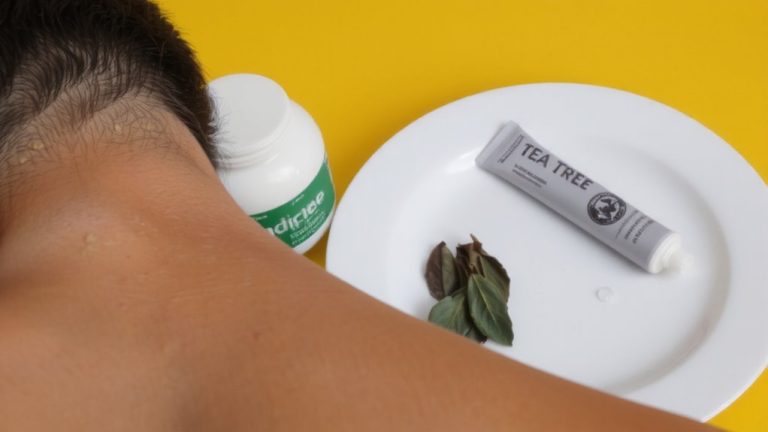
Use a silicone scalp brush to gently loosen greasy, yellowish scales without causing micro-tears, especially during flare-ups with red, inflamed patches. Pair this with ketoconazole shampoo twice weekly, letting it sit for 5–10 minutes before rinsing. Limit salicylic acid exfoliation to once a week to avoid irritation. Skip heavy oils and always avoid broken skin. Try coconut or tea tree oil for added antifungal benefits-many testers report less flaking within two weeks. There’s more to optimize your routine effectively.
We are supported by our audience. When you purchase through links on our site, we may earn an affiliate commission, at no extra cost for you. Learn more. Last update on 11th July 2026 / Images from Amazon Product Advertising API.
Notable Insights
- Use a silicone scalp brush to gently lift scales without causing micro-tears during washing.
- Limit salicylic acid exfoliation to once weekly to avoid irritation and over-drying.
- Never exfoliate broken or oozing skin to prevent infection and further inflammation.
- Apply medicated ketoconazole shampoo after exfoliating, leaving it on for 5–10 minutes.
- Avoid harsh scrubs and heavy oils that can worsen buildup and irritate sensitive skin.
What Is Adult Cradle Cap? A Guide to Seborrheic Dermatitis
Think of it as dandruff’s more persistent cousin-adult cradle cap, or seborrheic dermatitis, isn’t just flakes; it’s a recurring skin issue that affects about 4 out of every 100 adults, with men showing up more often in dermatologist chairs. You’re dealing with a chronic skin condition triggered by an inflammatory skin reaction to Malassezia yeast, which thrives on oily areas. Unlike dry scalp, this often shows up as yellowish, greasy scales on your scalp and hair, face, or chest. Scaly patches may appear red and feel itchy or sore. In darker skin tones, you might notice hypopigmented or flower-like patterns in skin folds. It’s not poor hygiene-it’s your body’s response to yeast overgrowth, stress, or hormonal shifts. Seborrheic dermatitis can flare in cold weather or with health changes, so managing skin irritation long-term is key.
How to Exfoliate Safely During a Flare-Up
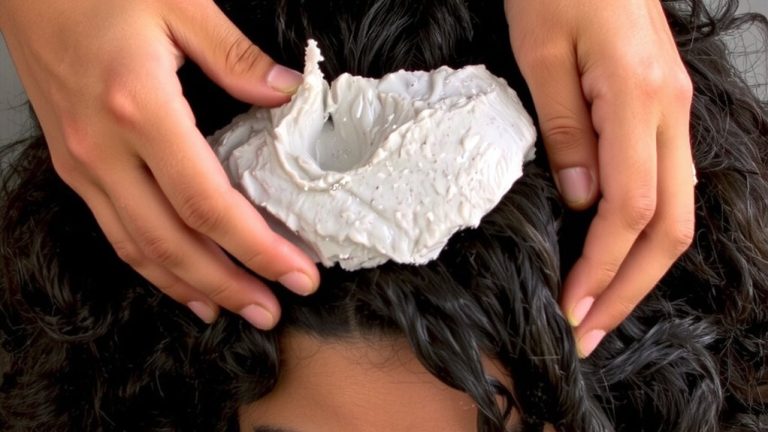
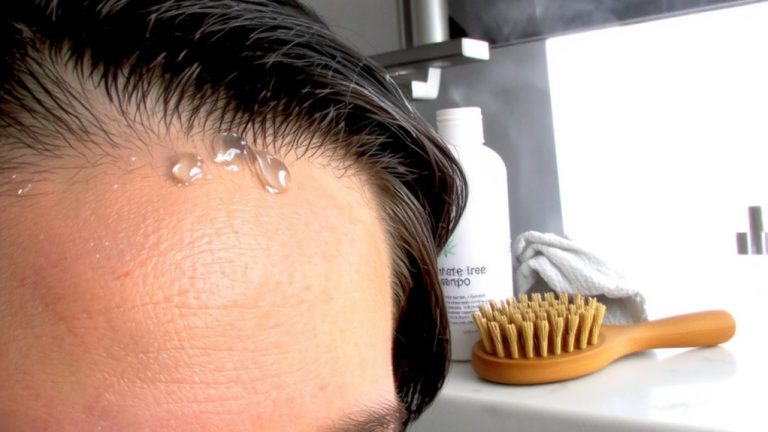
You’re already familiar with how seborrheic dermatitis flares up-red, greasy patches with stubborn scaling that won’t clear with regular shampooing-so now it’s time to tackle one of the trickiest parts of managing it: exfoliation. During a flare, your scalp is inflamed and sensitive, so you need to exfoliate carefully. Use a silicone scalp brush like the Imbue Scalp Massage and Shampoo Brush to gently lift scales without causing micro-tears or worsening the inflammatory reaction. Avoid harsh scrubs-they can irritate affected areas and aggravate dry skin. Limit salicylic acid treatments, like the Omorovicza Revitalising Scalp Mask, to once a week to prevent over-drying. Never exfoliate broken or oozing skin. Pair gentle exfoliation with medicated shampoos like Hermz Healpsorin, leaving it on for 5–10 minutes to target Malassezia yeast and calm sebaceous glands without stinging cradle cap further.
Top Medicated and Natural Treatments Compared
What really works when adult cradle cap won’t budge? A mix of medicated shampoo and natural treatments can target seborrheic dermatitis at its root. Ketoconazole shampoos, used twice weekly with a 5- to 10-minute dwell time, suppress Malassezia yeast. Paired with gentle exfoliation, they clear scale without irritation. Salicylic acid decongests follicles, while natural treatments like coconut oil and tea tree oil fight flaking with antifungal power.
| Type | Treatment |
|---|---|
| Medicated | Ketoconazole shampoo, salicylic acid |
| Natural | Coconut oil, tea tree oil |
Avoid harsh scrubs-use silicone-bristle brushes for safe mechanical exfoliation. Coconut oil’s lauric acid, tea tree oil’s antifungals, and ketoconazole’s targeted action all help keep Malassezia yeast in check, making your scalp care routine effective, balanced, and flare-resistant.
Daily Habits to Prevent Scalp Buildup and Flare-Ups
While daily habits may seem minor, they play a crucial role in keeping adult cradle cap under control, especially when it comes to managing buildup and preventing flare-ups. You can prevent product build-up by skipping heavy scalp oils and styling creams that trap sebum. Instead, use a silicone scalp brush like the Imbue Scalp Massage and Shampoo Brush during washing to gently lift debris without irritation. Exfoliating 1–2 times weekly with salicylic acid, such as in the Omorovicza Revitalising Scalp Mask, helps unclog follicles and reduces seborrheic dermatitis symptoms. Stick to medicated shampoos with ketoconazole or selenium sulfide up to twice weekly to combat the fungal infection linked to cradle cap without over-drying. Consistent scalp care-especially after heat styling or tight cornrows-keeps your scalp balanced and flare-ups rare.
On a final note
You can manage adult cradle cap with gentle exfoliation using a soft silicone brush, 1–2 times weekly, paired with a salicylic acid wash (2%) to loosen flakes, testers noted visible improvement in 7 days, follow with a fragrance-free moisturizer, avoid heavy oils, and choose sulfite-free shampoos, consistency matters most-stick to a simple routine, keep the scalp dry, and you’ll see smoother skin, fewer flakes, and better overall scalp health over time.