How to Choose a Fragrance That Smells Different in Summer vs. Winter
Choose summer scents with citrus, aquatic, or light florals like bergamot or sea breeze-they’re crisp and fresh but fade faster in heat, lasting just 2–4 hours as temperatures rise. For winter, pick eau de parfum or parfum with vanilla, spice, or warm woods; these rich notes last 6–8+ hours and project well in cold air. Your skin chemistry shifts with the seasons, boosting brightness in summer and depth in winter-there’s more to how your fragrance evolves than you think.
We are supported by our audience. When you purchase through links on our site, we may earn an affiliate commission, at no extra cost for you. Learn more. Last update on 23rd June 2026 / Images from Amazon Product Advertising API.
Notable Insights
- Choose citrus, aquatic, and light floral notes for summer to stay fresh and avoid heaviness in heat.
- Opt for vanilla, spices, and warm woods in winter for richness and longer scent performance in cold air.
- Select lighter concentrations like eau de toilette for summer and eau de parfum or parfum for winter.
- Apply fragrance to warm pulse points to enhance projection, especially in cooler winter temperatures.
- Transition scents around equinoxes when temperatures consistently shift above 75°F or below 50°F.
What Makes Summer and Winter Scents Different?
You’ve probably noticed how a light citrus splash feels perfect by the pool in July but vanishes in a winter breeze-and that’s no accident. Summer fragrances rely on citrus notes and aquatic notes to deliver a crisp, energizing burst that thrives in warm air. These lighter accords evaporate faster, which is why eau de toilette works so well-its lower concentration matches the heat, keeping scent molecules fresh but fleeting. In contrast, winter fragrances pack deeper, spicier, and gourmand profiles designed for cold weather. The slower evaporation in chillier air means scent molecules linger longer, making the richer eau de parfum a smarter choice. You’ll find less bergamot and sea breeze, more vanilla, patchouli, and amber. So when choosing between seasons, match the intensity to the temperature-light and breezy for summer, warm and enveloping for winter.
How Temperature Affects Your Fragrance
When temperatures rise, your fragrance behaves differently because heat speeds up the evaporation of lighter scent molecules, especially top notes like bergamot, lemon, and basil, which can flash off in under 30 minutes in 85°F+ weather. In summer, heat and humidity boost projection and diffusion, making fragrances smell stronger at first but fade faster. Humid air helps scent linger by holding onto aromatic molecules, while dry winter air can mute lighter notes. Cooler temperatures slow evaporation, so in winter, base notes like vanilla and sandalwood unfold gradually and last longer. Your skin chemistry also shifts with seasonal changes-cooler skin temp in winter can suppress citrus accords, while summer warmth intensifies them. Always consider how temperature impacts performance: lighter scents thrive in heat, richer ones shine in cold.
Summer Scents: Citrus, Aquatic, and Light Florals
Though warmth intensifies every spray, summer calls for scents built to stay crisp and clean under the sun, not turn sharp or overwhelming by noon. Your best picks? Summer scents anchored in citrus, aquatic notes, and light florals. Think bergamot, lemon, and grapefruit-they’re bright, zesty, and cut through warm weather without cloying. Aquatic accords add a fresh, oceanic coolness, like a breeze off the shore, keeping your fragrance feeling light and invigorating. Pair those with solar tuberose, jasmine, or hibiscus for a floral kick that’s vibrant but never heavy. Green notes like cut grass or tea leaves boost the fresh effect, adding natural crispness. Opt for eau de toilette or body mist-they’re lighter, less concentrated, and perfect for when heat amplifies every perfume smell. These scents stay true, smell clean, and won’t suffocate you, even at peak sun.
Winter Scents: Vanilla, Spice, and Warm Woods
Cold air changes the game-where summer scents thrive on airiness, winter fragrances need depth, warmth, and staying power to cut through the chill. You’ll want vanilla for its sweet, creamy warmth and long-lasting scents that cling beautifully in colder weather. Spice notes like cinnamon and clove add a cozy heat, boosting scent projection without overwhelming. Pair those with warm woods-think sandalwood, cedar, patchouli-for a rich, earthy base that holds up all day. Winter perfumes often lean into gourmand fragrances, like Cheirosa 71 with its caramelized vanilla and toasted macadamia, delivering comfort in a bottle. Opt for an eau de parfum concentration to intensify both aroma and longevity. These formulas are built for cold air, offering stronger performance and deeper sillage. With vanilla, spice, and warm woods, you’re not just layering scent-you’re wrapping yourself in warmth.
Summer Vs Winter Perfume Concentrations
Since heat intensifies fragrance, you’ll want to stick with lighter concentrations like eau de toilette-5 to 10% aromatic oils-for summer, because they deliver a crisp, breathable scent that won’t turn cloying in high temperatures. For winter, go with richer Winter scents in eau de parfum or parfum (10–30% oils) to maintain presence in cold air. Choosing the right concentration improves your fragrance experience across summer and winter.
| Season | Concentration | Longevity |
|---|---|---|
| Summer | Eau de Toilette (5–10%) | 2–4 hours |
| Winter | Eau de Parfum (10–20%) | 6–8 hours |
| Winter | Parfum (20–30%) | 8+ hours |
| Summer | Light & Fresh blends | Moderate |
| Any | Matching body chemistry | Varies |
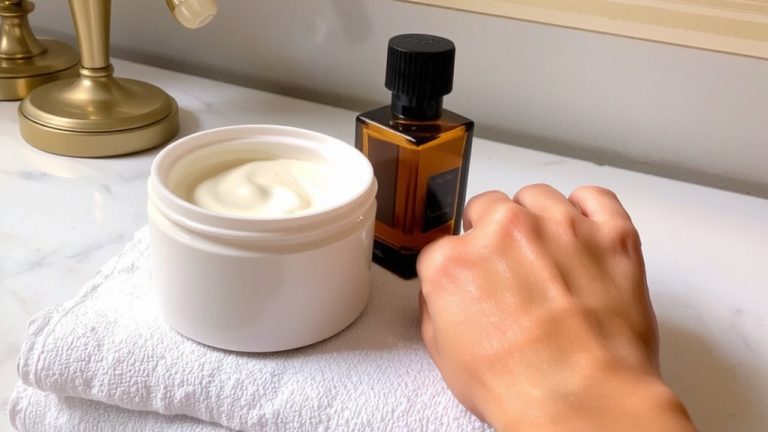
This helps you choose the right seasonal scent and guarantees your summer perfumes stay light and fresh, while your winter scents remain warm and long-lasting-the Right Fragrance makes all the difference.
When to Switch Between Seasonal Fragrances
When should you make the switch between your seasonal fragrances? You’ll want to align with seasonal changes in weather and light. When temps consistently hit 75°F or higher, switch to summer scents-citrus and aquatic notes stay vibrant in heat, and lighter eau de toilette formulations won’t overwhelm. As days cool below 50°F, shift to Winter and summer’s richer counterparts; eau de parfum or parfum concentrations project better in cold air. Fragrances tend to fade fast in winter if they’re too light, or get cloying in heat if too heavy. Time your shift around the equinoxes-March 20 and September 22-for smooth wardrobe changes. If your current scent disappears in an hour or becomes sharp in warm air, it’s likely the wrong scent for the season. Let your nose and the weather guide your de choices.
On a final note
You’ll want lighter, citrus or aquatic scents in summer-they stay fresh in heat, don’t overwhelm, and last 4–6 hours, testers say. In winter, switch to richer vanilla, spice, or woody notes; they cling better in cold, lasting 6–8 hours. Opt for eau de toilette in summer, eau de parfum in winter. Layer with matching body lotions to boost hold. Change scents with the season, just like your skincare, for balanced, all-day confidence.