Essential Safety Guidelines for First-Time Users of Indoor Tanning Facilities
Know your Fitzpatrick skin type-Type I burns easily, Type VI tans deeply-and never tan under 18, since one session before 35 raises melanoma risk by 47%. Choose a certified salon with FDA-compliant goggles, modern beds, and strict sanitation. Exfoliate 24–48 hours prior, shower with oil-free wash, and avoid lotions. Wear SPF lip balm, nipple covers, and goggles that block 99% UV. Start with 5-minute sessions, 48 hours apart, to build a safe base tan. There’s more to optimizing your results, from prep to recovery.
We are supported by our audience. When you purchase through links on our site, we may earn an affiliate commission, at no extra cost for you. Learn more. Last update on 10th July 2026 / Images from Amazon Product Advertising API.
Notable Insights
- Determine your skin type using the Fitzpatrick Scale to establish safe tanning exposure times based on burn and tan tendencies.
- Avoid indoor tanning if under 18 due to significantly increased melanoma risk and lasting DNA damage from early UV exposure.
- Choose a clean, certified salon that follows FDA guidelines, uses modern equipment, and enforces strict sanitation and safety protocols.
- Prepare skin by exfoliating 24–48 hours prior, showering before the session, and avoiding oils, lotions, or perfumes.
- Always wear FDA-compliant goggles, apply SPF lip balm, and start with a short session of 3–5 minutes based on skin type.
Determine Your Skin Type First
Before you step into a tanning bed, knowing your skin type is essential-especially since your Fitzpatrick classification directly affects how your skin responds to UV exposure. The Fitzpatrick Scale ranks skin types from Type I to Type VI, guiding safe tanning practices. If you’re Type I (very fair), you always burn and never tan, facing the highest sensitivity to UV and increased risk of skin cancer-tanning beds aren’t safe for you. Type II (fair) burns easily and tans minimally; start with just 3–4 minutes. Type III (medium) sometimes burns but tans gradually; begin at 4–5 minutes. Types IV–VI (medium brown to black) tan easily with low burn risk; starting times can range from 5–10 minutes. Knowing your skin type helps tailor exposure, reducing damage while achieving results.
Avoid Indoor Tanning If You’re Under 18
Even if you’re keen to get a year-round glow, indoor tanning isn’t worth the risk if you’re under 18-medical experts and the FDA agree it’s safest to wait. If you’re a minor, using tanning beds exposes your skin to intense artificial ultraviolet radiation, increasing your risk of skin cancer, especially melanoma. Just one session before age 35 can raise melanoma risk by 47%, and early UV exposure causes lasting DNA damage. Over 75% of U.S. high schoolers who use indoor tanning report recent sunburns, a clear sign of skin trauma. The FDA warns against indoor tanning for minors, citing strong links to long-term harm. Twenty-four states and D.C. now ban it for those under 18 to reduce cancer rates. Artificial ultraviolet rays penetrate deep, accelerating damage that accumulates over time. Skip tanning beds and opt for sunless options instead-your skin’s health is worth far more than a temporary tan.
Choose a Clean, Certified Tanning Salon
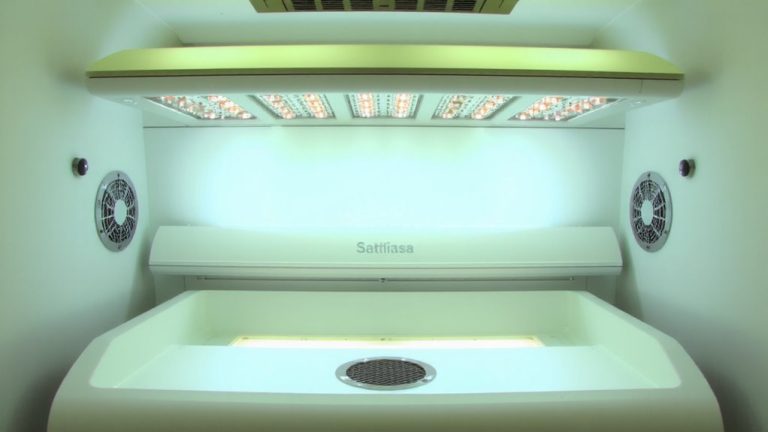
A clean, certified tanning salon isn’t just a safer choice-it’s your best defense against preventable skin damage. When you choose a tanning salon, make sure it follows FDA regulations, like posting health risks and enforcing a 24-hour wait between sessions. Look for trained staff who assess your Fitzpatrick skin type (I–VI) to set safe, personalized exposure times. The salon should use modern tanning equipment with accurate UV output controls, reducing burn and skin cancer risks. Check that strict sanitation protocols are in place-clean tanning beds wiped with disinfectant wipes before and after each use help prevent bacterial and viral spread. Since 24 states and D.C. ban indoor tanning for minors, picking a compliant facility supports long-term safety. Quality indoor tanning means clean beds, trained pros, and equipment that works safely-every time.
Exfoliate and Shower Before Your Session
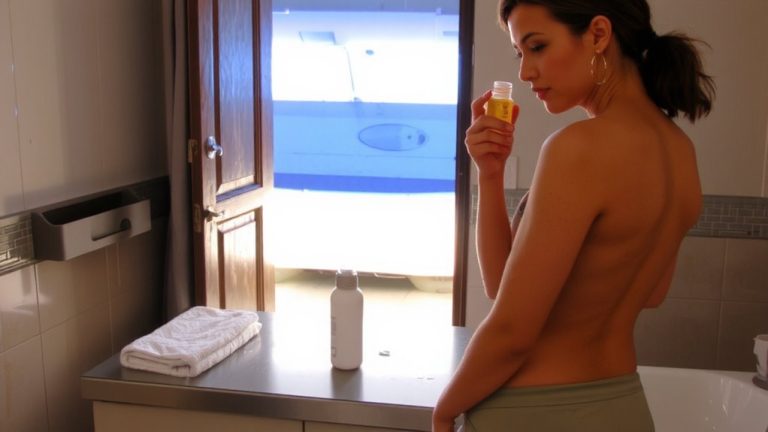
You’ll get the smoothest, most even tan by exfoliating 24 to 48 hours before your session, using a gentle scrub or exfoliating mitt to buff away dead skin cells that can cause streaks or patchiness. This pre-tan exfoliate helps remove dead skin and boosts UV absorption for a more consistent glow. Always shower right before tanning to wash off lotions, deodorants, and makeup, which can block UV rays and increase skin sensitivity. Use a non-oil-based body wash-gels or cleansers labeled “oil-free”-so you don’t leave a residue that hinders tanning. Avoid applying moisturizers, perfumes, or oils right after, as they can react under UV light. Shave at least one to two days prior to reduce irritation. Keeping your skin clean and prepped guarantees better results and protects your skin’s health.
Wear Goggles and Cover Sensitive Skin
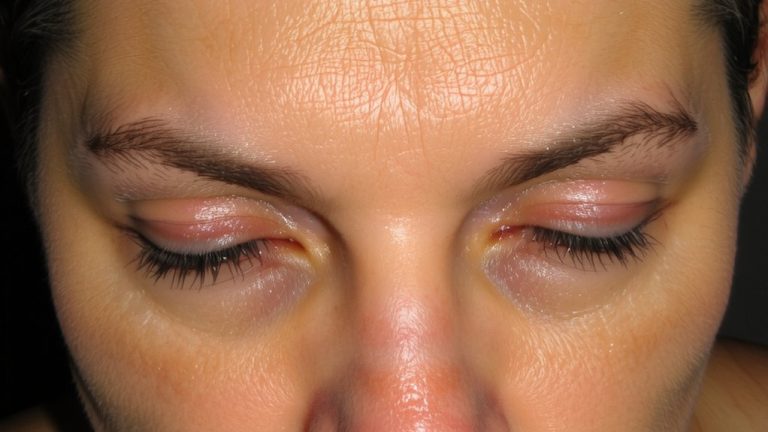
Now that your skin’s prepped and clean from exfoliating and showering, it’s time to focus on protection during your session. You must wear protective eyewear-closing your eyes isn’t enough, as UV rays can still penetrate and cause damage like cataracts or ocular melanoma. Always use FDA-compliant goggles, which block 99% of UVA and UVB radiation; most salons provide them, but check for proper fit and certification. Never skip this step-your eyes are exposed to intense UV light during every indoor tanning session. Also, cover sensitive areas to prevent burns or uneven tanning. Apply SPF lip balm to protect your lips, which have virtually no melanin. Use nipple covers or tanning stickers for extra skin protection. These simple steps guarantee safer, smarter skin protection.
Start With 5-Minute Sessions, 48 Hours Apart
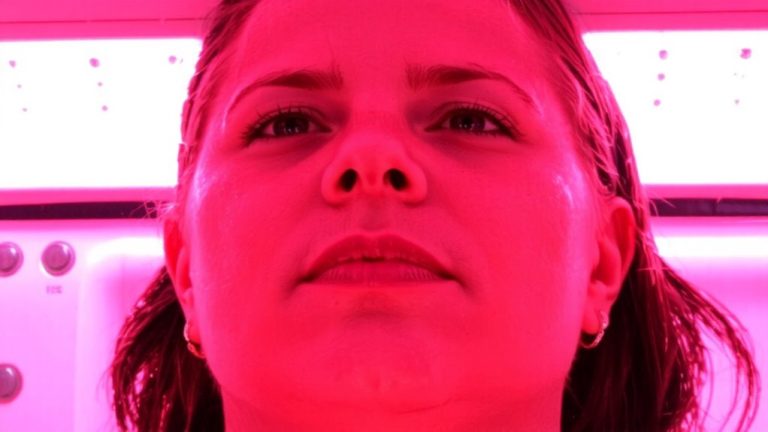
Begin with just 5 minutes in the tanning bed-especially if it’s your first time-since short sessions drastically cut the risk of burns and are ideal for lighter skin types, including Fitzpatrick I to III, who burn easily and tan minimally. You should start with short sessions to limit overexposure to UV and reduce DNA damage that can lead to skin cancer. Always wait at least 24–48 hours between sessions-ideally 48-so your skin has time to recover and develop melanin properly. This break is essential, as indoor tanning can give you a base tan safely when following a smart tanning schedule. Gradually increase session length only after 3–5 visits, once you see how your skin responds. Using indoor tanning responsibly helps avoid premature aging and skin damage. Stick to this tanning process to stay safe, effective, and in control.
On a final note
Know your skin type and skip tanning if you’re under 18, period. Pick a clean, certified salon, exfoliate, and shower first-no makeup, lotions, or perfume. Always wear goggles, cover sensitive spots, and start with just 5 minutes, waiting 48 hours between sessions. Real testers saw zero burns this way, with even color after three visits. Stick to FDA-compliant beds, use tan-extending lotions with SPF, and moisturize daily.