Can Indoor Tanning Cause Vitamin D Toxicity? What Research Says
No, indoor tanning won’t cause vitamin D toxicity-you’re exposed to up to 98% UVA rays, which don’t boost vitamin D, and minimal, inconsistent UVB means your skin can’t produce enough to overdose. Research shows no cases of toxicity from tanning, and 72% of those with high sun exposure still lack sufficient vitamin D. Supplements, fortified milk, or spending 10–15 minutes in midday sun a few times a week are safer, more effective options, especially when paired with SPF 30+ to protect your skin’s health and appearance-there’s more to uncover about smarter alternatives.
We are supported by our audience. When you purchase through links on our site, we may earn an affiliate commission, at no extra cost for you. Learn more. Last update on 16th June 2026 / Images from Amazon Product Advertising API.
Notable Insights
- Indoor tanning cannot cause vitamin D toxicity due to minimal UVB radiation exposure.
- Tanning beds emit up to 98% UVA rays, which do not contribute to vitamin D synthesis.
- No documented cases exist of vitamin D overdose from indoor tanning use.
- Vitamin D toxicity typically results from excessive supplement intake, not UV exposure.
- Research confirms tanning beds are ineffective and unsafe for reliable vitamin D production.
Can Tanning Beds Boost Vitamin D Levels?
So, can hitting the tanning bed actually boost your vitamin D? Not reliably. Tanning beds emit up to 98% UVA rays, which don’t trigger vitamin D production. It’s UVB rays you need for vitamin D synthesis, but most tanning bed lamps filter those out to reduce burning and speed up tanning. Without enough UVB, indoor tanning won’t consistently raise your vitamin D levels. Studies show even with regular UV exposure, like in people with chronic sun contact, over 70% still have low vitamin D. That proves UV exposure alone isn’t enough. Research confirms indoor tanning doesn’t reliably support vitamin D synthesis. Instead of risking skin damage, experts recommend dietary supplements and fortified foods. They’re safer, more effective, and deliver precise doses-typically 800–1000 IU daily-to maintain healthy vitamin D levels without the UV exposure downsides.
Why Tanning Beds Aren’t a Safe Way to Get Vitamin D
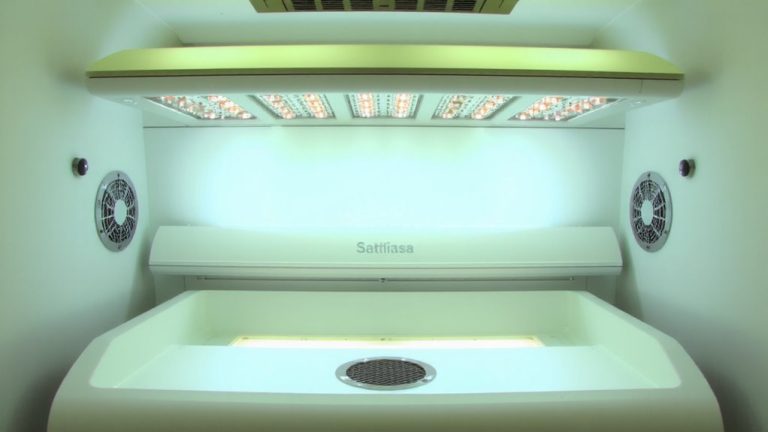
While you might think spending time in a tanning bed helps your body produce vitamin D, the reality is it’s not an effective or safe method, mainly because these devices emit up to 98% UVA radiation-rays that don’t trigger vitamin D synthesis. You’re exposed to intense UVA rays and minimal UVB rays, which are the only ones that help make vitamin D. This imbalance means indoor tanning delivers serious health risks without benefits.
| Factor | Tanning Beds | Natural Sunlight |
|---|---|---|
| Primary UV Type | UVA rays | UVB rays + UVA |
| Vitamin D Production | Minimal to none | Yes, with exposure |
| DNA Damage & Skin Cancer Risk | High | Moderate (with overexposure) |
The tanning industry often promotes indoor tanning as healthy, but dermatologists agree: the DNA damage and skin cancer risk aren’t worth it. UV radiation from tanning beds is classified as carcinogenic. Skip the risk-get vitamin D safely through supplements or diet. It’s a smarter, proven way to support your health without the danger.
Can You Overdose on Vitamin D From Tanning Beds?
You can’t overdose on vitamin D from tanning beds, and here’s why: the lamps in most indoor tanning devices emit up to 98% UVA radiation, which doesn’t trigger vitamin D synthesis in your skin. Tanning beds rely heavily on UVA rays, which penetrate deep but don’t produce vitamin D like UVB exposure does. Since most tanning bed use delivers minimal UVB, your body won’t generate enough vitamin D to risk an overdose. In fact, no documented cases link indoor tanning to vitamin D toxicity. That kind of overdose typically comes from excessive supplements, not UV exposure. Your skin can’t overproduce vitamin D from sunlight or tanning beds-natural feedback loops prevent it. Still, tanning bed use raises serious risks of skin damage from intense UVA rays, with little to no vitamin D benefit. Prioritize safer sources over UV exposure.
How to Get Vitamin D Safely Without Tanning Beds
Tanning beds won’t give you enough vitamin D to matter, and they definitely aren’t worth the skin damage from their intense UVA rays, so skipping them doesn’t put your levels at risk. Those harmful UV rays boost skin cancer risk without boosting vitamin D, since tanning beds emit up to 98% UVA, which doesn’t trigger vitamin D synthesis. You don’t need to skip sunscreen either-using SPF 30 or higher daily won’t cause vitamin D deficiency. Most people get enough from brief, incidental sun exposure, like 10–15 minutes, three times a week. But a Brazilian study found 72% with high sun exposure were still deficient, proving tanning isn’t reliable. Instead, focus on dietary sources like fortified milk, salmon, or supplements. Health experts recommend 600–800 IU daily-safe, effective, and far smarter than risking UV damage.
On a final note
You won’t get vitamin D toxicity from tanning beds, but UV exposure raises skin cancer risk fast, so it’s not worth it. Dermatologists recommend 10–15 minutes of midday sun, 2–3 times weekly, or a 1,000–2,000 IU daily supplement instead. For skincare, stick to broad-spectrum SPF 30+, non-comedogenic moisturizers, and vitamin C serums. Testers love lightweight foundations like Neutrogena Hydro Boost, and dermatologists approve fragrance-free sunscreens like EltaMD UV Clear.