Best Way to Remove Nail Polish From Skin
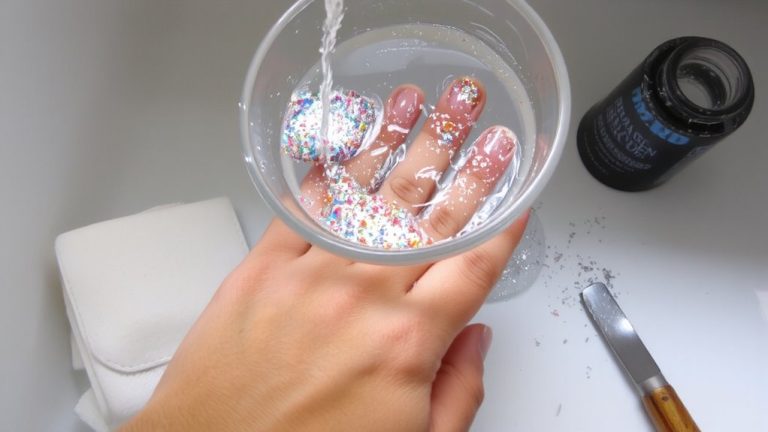
Use a non-acetone remover on a cotton swab to gently lift polish from your skin, pressing for 10–15 seconds if it’s dried, then wipe with a downward motion to avoid spreading. Apply petroleum jelly before polish for easy cleanup, and follow up with mild soap and moisturizer to protect your skin’s barrier. For precision, try a stiff brush or corrector pen dipped lightly in acetone. You’ll find even stubborn stains come off cleanly-especially when you know the pros’ secret prep tricks.
We are supported by our audience. When you purchase through links on our site, we may earn an affiliate commission, at no extra cost for you. Learn more. Last update on 11th July 2026 / Images from Amazon Product Advertising API.
Notable Insights
- Use a non-acetone remover with a cotton swab for gentle, effective removal without irritating sensitive skin.
- Apply petroleum jelly around nails before painting to create a barrier and simplify cleanup.
- For dried polish, press an acetone-soaked cotton ball on the area for 10–15 seconds before wiping gently.
- Clean up edges precisely using a stiff-bristled brush or corrector pen dipped lightly in acetone.
- After removal, wash with mild soap and water, then moisturize to restore skin’s natural softness.
Remove Nail Polish From Skin Without Irritation
If you’ve ever smeared nail polish on your cuticles or fingertips while painting your nails, you know how tricky it can be to clean up without redness or dryness. For sensitive skin, always choose a non-acetone nail polish remover-it’s less drying and cuts polish cleanly. Before applying, shield the skin surrounding your nails by smoothing on petroleum jelly as a protective barrier. Dampen a cotton swab with remover and use a gentle rub to lift polish, avoiding harsh scrubbing. On delicate areas, swap in coconut oil on a soft cloth corner-it safely dissolves color without irritation. Once clean, wash with soap and water to remove residue. Finally, moisturize hands and cuticles to restore softness and prevent cracking. Testers note this method keeps skin calm and hydrated, even with frequent use. It’s a simple, effective routine that protects and nourishes with every cleanup.
Remove Wet Vs. Dried Polish: Step By Step
While wet and dried nail polish require different approaches, tackling each correctly means cleaner results without unnecessary scrubbing. To remove wet nail polish, act fast-use a cotton swab or folded tissue to gently rub downward before it spreads or dries. This helps remove nail polish without harsh scrubbing. For dried nail polish, you’ll need acetone: saturate a cotton ball, press it to the spot for 10–15 seconds, then gently rub. A precision brush, dipped just at the tip in acetone, helps lift dried polish near cuticles without damaging nails. Be careful when removing nail polish with acetone, as overuse can strip natural oils. Afterward, rinse skin with mild soap and water, then apply hand cream to restore moisture. Using this method keeps skin smooth and healthy while effectively removing both wet and dried polish.
Use The Right Tools For Clean Edges
When you’re aiming for salon-sharp lines around your nails, the right tools make all the difference-grab a nail polish corrector pen or a small, stiff-bristled brush lightly dipped in acetone to target stray polish with precision. A cotton swab dampened with nail polish remover lets you gently wipe away mistakes right after painting, ensuring clean edges without smudging. Apply petroleum jelly before painting to protect the skin around your nails, making polish removal a breeze. Hold your brush at a slight tilt to avoid drips and stay in control. Even pros use these tricks-your at-home routine can mirror a nail technician’s precision.
| Emotion | Result |
|---|---|
| Frustration | Smudged polish, uneven lines |
| Confidence | Sharp, clean edges effortlessly |
| Satisfaction | Like a pro did it, no redo needed |
Safe Ways To Remove Polish On Sensitive Skin
You’ve nailed the clean edges with the right tools, but now let’s talk about keeping your skin safe-especially if it’s sensitive. When you need to remove polish from delicate areas, skip harsh removers and reach for baby oil, coconut oil, or olive oil-they’re gentle, food-grade, and less likely to irritate sensitive skin. Never use acetone or even non-acetone removers near your face or on broken skin, as they can sting. Instead, use a cotton pad soaked in warm soapy water or gently massage with oil to lift the polish. For protection, apply petroleum jelly around your nails before polishing to prevent staining and make cleanup safer. After removing polish, rinse well with mild soap and water, then hydrate with a nourishing cream to prevent dryness. These steps keep your skin calm, clean, and comfortable-every time.
Clean Up Nail Polish With Household Items
How do you tackle stray polish without reaching for specialty products? You’ve got common household items that work. Soak a cotton ball in white vinegar or rubbing alcohol and hold the cotton against the stain for 20–30 seconds-this breaks down most types of nail polish, though thicker formulas may resist. Apple cider vinegar mixed with lemon juice also helps, but results vary by polish type. Rubbing alcohol dissolves small smudges but can dry skin afterwards, so follow with moisturizer. For precision, skip cotton and use a stiff brush dipped in acetone, but that’s not always on hand. When cleaning nail polish off skin, these hacks save time and money, especially when you’re caught mid-manicure. You don’t need a salon-grade remover when using nail polish at home-just what’s in your pantry or medicine cabinet.
Fix Nail Polish Mistakes Like A Pro?
Though you’re aiming for crisp lines, a wobble of polish can blur the edges, but cleaning it up doesn’t mean starting over. Use a nail polish corrector pen or a stiff-bristled lipstick brush dipped just at the tip in acetone to remove the polish from the skin without damaging your manicure. Tilt your finger slightly to control drips and clean near delicate cuticles with precision. For wet mistakes, blot gently with a folded tissue or cotton swab before the polish dries. Apply liquid latex or adhesive tape around nails before painting for foolproof edges, then peel off afterward-no picking the polish needed. A board-certified dermatologist recommends avoiding harsh scrubbing to protect skin without irritation. After cleanup, wash with warm water and moisturize to keep nails and cuticles healthy. These pro tricks help fix errors quickly, leaving flawless nails every time.
On a final note
Clean up nail polish mistakes quickly with a pointed cotton swab dipped in acetone, wiping gently along cuticles and skin, or use non-acetone remover for sensitive skin. For wet polish, a fine-line nail art brush helps fix edges, while dried splatters lift easily with a cuticle pusher and polish-soaked pad. Testers prefer glass nail files for precision. Always moisturize after, using cuticle oil or 2% squalane cream. Cleanup takes under 60 seconds and saves your manicure, no irritation required.