Best Way to Remove Acrylic Nails Without Acetone
File down acrylics with a 180–240 grit emery board, using one-direction strokes to avoid damage, then smooth with a 4-way buffer for 10–15 strokes per nail. Soak nails in warm, soapy water for 30–40 minutes, apply cuticle oil for 10 minutes, and use non-acetone remover to gently loosen the bond. Clip bulk first, never file your natural nail. Hydrate with jojoba oil and shea butter cream after, and skip harsh cleaners for 72 hours-there’s more to getting strong, healthy regrowth the right way.
We are supported by our audience. When you purchase through links on our site, we may earn an affiliate commission, at no extra cost for you. Learn more. Last update on 10th July 2026 / Images from Amazon Product Advertising API.
Notable Insights
- Use warm soapy water to soak nails for 30–40 minutes to soften acrylic layers.
- Apply cuticle or olive oil for 10 minutes to help loosen the acrylic bond.
- Trim bulk with nail clippers, then file down acrylics evenly using a coarse-grit emery board.
- File in one direction with 180–240 grit to avoid damaging natural nails.
- Smooth remaining layers with a 4-way buffer and moisturize daily post-removal.
Remove Acrylic Nails Without Acetone: A Safe Filing Method
Filing your acrylics down? You can remove acrylic nails without acetone by using a coarse-grit nail file and working in one direction to peel away the artificial nail. Start at the tip and file downward, focusing on thinning the acrylic evenly so you don’t damage your natural nails. Using a nail file this way takes time-around 3–5 minutes per nail-especially if they’re thick. Work systematically across each nail, then switch to a buffer to smooth ridges and blend the remaining product with your natural nail surface. Be gentle; too much pressure can weaken your natural nails. Once the bulk is filed down, hydrate with cuticle oil to soothe dryness caused by friction. It’s a simple method for acrylic nails at home, giving you control and avoiding harsh chemicals-safe, effective, and kind to your nail beds.
What You’ll Need to Remove Acrylics Without Acetone
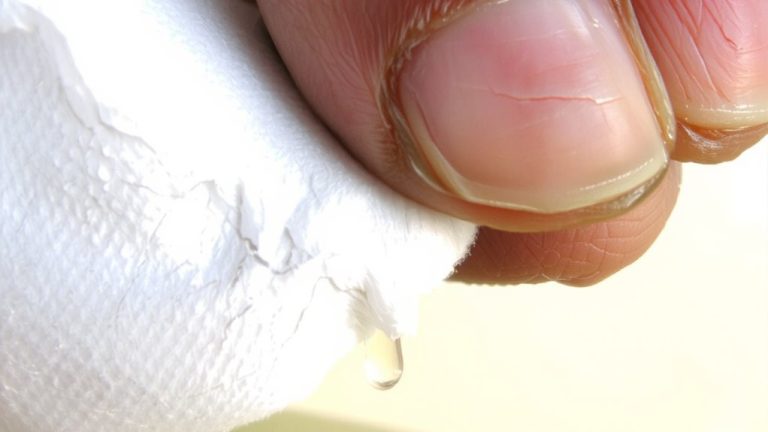
You’ve got options when acrylics need to come off but acetone’s not in the picture, and knowing the right tools makes all the difference. Start with nail clippers to trim back bulk, then use a coarse-grit emery board to gently file down layers. Soak your nails in warm soapy water for 30 to 40 minutes to soften the acrylic and adhesive. After drying, apply cuticle oil or olive oil to the nail bed-let it sit for 10 minutes to help loosen the bond. A non-acetone nail polish remover isn’t as strong, but swiping it over the surface can slightly weaken the glue. Once acrylic pieces lift, use a buffer to smooth any leftover texture on your natural nail. These steps, tested by users with minimal snagging or peeling, keep your nails intact while removing enhancements safely and effectively.
How to File and Buff Acrylic Nails Safely at Home
A solid 180–240 grit emery board is your best bet for shaping down acrylics without risking harm to your natural nails, and using it the right way makes all the difference. File and buff the Acrylic layers only, never the natural nail, using steady, one-direction strokes to prevent splitting. Applying too much pressure can damage your nail bed, so go slow and watch for peeling edges-this signals the acrylic is loosening, making removal safer. Once filed down, switch to a 4-way buffer, using 10–15 smooth strokes per nail to eliminate ridges and create a polished surface. You’re not just filing; you’re prepping for healthy regrowth. Finish with cuticle or jojoba oil to rehydrate. Though it’s doable at home, seeing a nail technician guarantees precision, especially if you’re new to file and buff techniques. Without professional tools, patience is key-rushing risks harm.
How to Rehydrate and Strengthen Nails After Removal
While your nails may feel thin and your cuticles look flaky after acrylic removal, they’ll bounce back quickly with the right care. Start by applying cuticle oil with jojoba or almond oil twice daily to rehydrate nails and soften the surrounding skin. Use a nail strengthener with calcium or keratin for at least two weeks to improve hardness and reduce peeling. Moisturize hands with a thick hand cream containing shea butter or glycerin every morning and night to restore hydration. Avoid harsh chemicals like dish soap and cleaning agents for 72 hours to prevent irritation and brittleness. After three days, you can gently buff nails with a fine-grit file to smooth ridges-never thin the nail plate. Keep up with regular cuticle oil and hand cream use to maintain strong, healthy nails.
On a final note
You’ve safely filed down acrylics without acetone, now seal in moisture with an oil-rich cuticle serum, like CND SolarOil, massaging a drop into each nail bed nightly. Buffed nails may feel thin, so skip polish for 48 hours and use a strengthening hardener, such as OPI Nail Envy, to prevent peeling, keeping nails under 0.5 mm thick for resilience. Hydrate daily with shea-butter hand cream for smooth, healthy regrowth.