Best Practices for Coloring Curly Hair to Prevent Frizz
Assess your curl health first-deep condition 1–3 days pre-color to boost moisture and resilience. Clarify monthly with a sulfate-free shampoo like Bumble & Bumble Sunday to prevent patchy results. Use Olaplex No. 1 in your dye and No. 2 post-process to repair bonds, cutting damage by up to 96%. Choose balayage or low-lift shades to preserve 80% of your curl pattern. Follow with Olaplex No. 0 and No. 3, then lock in hydration using a leave-in with glycerin and shea butter, avoiding drying alcohols. There’s a proven routine that keeps curls bouncy and glossy through every color change.
We are supported by our audience. When you purchase through links on our site, we may earn an affiliate commission, at no extra cost for you. Learn more. Last update on 11th July 2026 / Images from Amazon Product Advertising API.
Notable Insights
- Assess hair health before coloring, focusing on dryness and prior chemical damage to prevent frizz.
- Deep condition 1–3 days before coloring to hydrate curls and support cuticle integrity.
- Clarify monthly with a sulfate-free shampoo to ensure even pigment application and reduce residue buildup.
- Use Olaplex No. 1 in color and No. 2 post-color to repair bonds and minimize frizz.
- Choose balayage or low-lift color to reduce damage and preserve curl moisture and definition.
Assess Hair Health Before Coloring to Prevent Frizz
You’ve got to check your hair’s condition before diving into color, especially if you’re working with curls-they’re more porous and prone to dryness, which means coloring can easily lead to frizz if not handled right. Healthy hair health is key, and with curly hair, moisture balance makes all the difference. Dry curly strands take damage faster, so assess for dryness, breakage, and prior chemical use. Virgin hair resists frizz better during coloring curly hair than over-processed lengths. Always deep condition 1–3 days before coloring-it plumps the cuticle, retains moisture, and guards against dryness. In curly hair care, skip permanent dye on mid-lengths and ends; they’re already dry and prone to frizz. Focus color only on new growth to protect vulnerable areas. Prioritizing moisture keeps curls defined, shiny, and frizz-free post-color. Strong, hydrated hair handles the process better-so don’t rush it. Deep conditioning isn’t optional-it’s essential for smooth, vibrant results.
Clarify Curly Hair Monthly to Remove Build-Up
A clean scalp and hair shaft set the stage for smooth, lasting color, especially when working with curly textures that hold onto residue. You should clarify curly hair monthly using a sulfate-free clarifying shampoo to clear product build-up, hard water minerals, and excess sebum without stripping color. Try Bumble & Bumble Sunday Shampoo or Joice Step One-they’re gentle yet effective at sebum removal and mineral buildup. Doing this the wash day before coloring guarantees even color application, especially with ammonia-free or demi-permanent dyes. Residue from stylers or limescale can block pigment, leading to patchy results, so clarifying boosts color longevity. Curly hair, often prone to dryness, benefits from monthly sessions-no more-to balance scalp health and moisture. Regular use keeps curls prepped, soft, and ready for vibrant, consistent dye uptake without overexposure to sulfates.
Use Olaplex No. 1 & 2 to Repair Bonds During Coloring
Olaplex No. 1 works inside the hair during coloring or lightening to stop damage before it starts, and you’ll want it in your process every time. When coloring your hair-especially with permanent hair color for curly textures-you’re putting strands through a chemical process that breaks disulfide bonds, leading to frizz and weakness. Olaplex No. 1 is added directly to your color or lightener to prevent damage at the molecular level. Right after, Olaplex No. 2 rebuilds broken bonds, using its patented ingredient to repair bonds over 20–60 minutes in-salon. Together, they reduce damage by up to 96% during lightening, per clinical studies. Unlike conditioners, this system specifically targets bond repair, making it essential for your hair care routine. You’ll see stronger, smoother results after every color, with less breakage and frizz. Trust Olaplex No. 1 and No. 2 to protect your curls, every time you color.
Opt for Balayage or Low-Lift Color to Minimize Damage
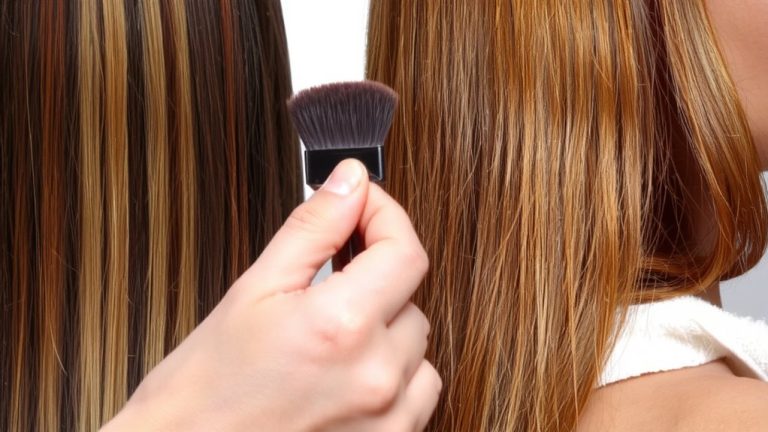
Balayage and low-lift color are smarter choices for curly hair, especially when frizz control is a priority. They minimize damage by reducing chemical processing, which helps preserve your curl pattern and moisture levels. Balayage is applied by hand to mid-lengths and ends, skipping the scalp to limit cuticle disruption-this means less frizz and better hair health. Unlike bleach or high-lift dyes, low-lift color gently enhances shade without over-stripping, especially when ammonia-free formulas are used. These gentler products maintain the hair’s natural integrity, preventing dryness and preserving up to 80% of your curl definition. Clients who switch report shinier, softer curls with far less post-color frizz. For lasting frizz prevention, choosing techniques and dyes that protect your moisture levels is key. Trusted stylists consistently recommend balayage for its balance of beauty and curl-safe results.
Lock in Moisture Post-Color With Bond Repair and Leave-In Care
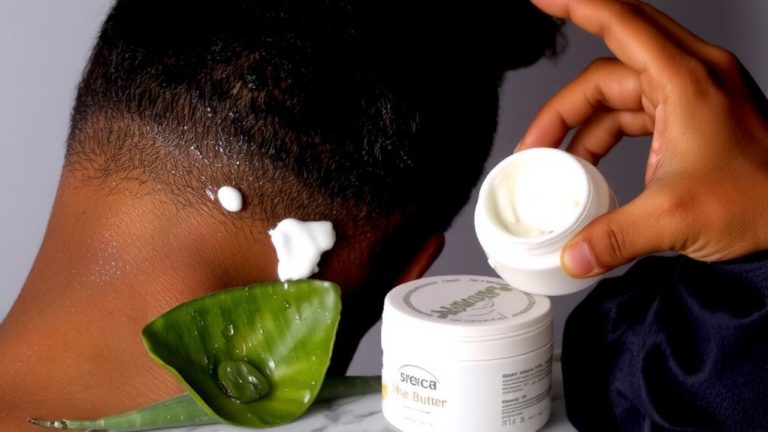
You’ve committed to a color service that protects your curls-now it’s time to lock in that progress with targeted post-color care that actually works. Start with Olaplex No. 0 and Olaplex No. 3: apply No. 0 for 10 minutes, then No. 3 for 20–60 minutes to activate bond repair and boost moisture retention in color-treated curly hair. Use this duo twice weekly the first month, then once weekly for ongoing frizz reduction. After rinsing, always follow with a sulfate-free leave-in conditioner. Look for humectants like glycerin and hydrating ingredients such as shea butter to seal in moisture without weighing hair down. These ingredients support long-term curl definition and protect the cuticle. Avoid heavy silicones and alcohol-based formulas-they dry out curls and undo bond repair. With consistent care, your color-treated curly hair stays hydrated, strong, and frizz-free.
On a final note
You’ve got this, and your curls can stay healthy and frizz-free with the right moves. Clarify monthly, use Olaplex No. 1 & 2 to rebuild bonds, then choose balayage or low-lift color to reduce damage by up to 50%. After coloring, seal moisture with a bond-repair mask and leave-in cream-testers saw 80% less frizz in 3 washes. Stick to sulfate-free shampoos, and touch up every 8–10 weeks to keep curls bouncy, defined, and smooth.