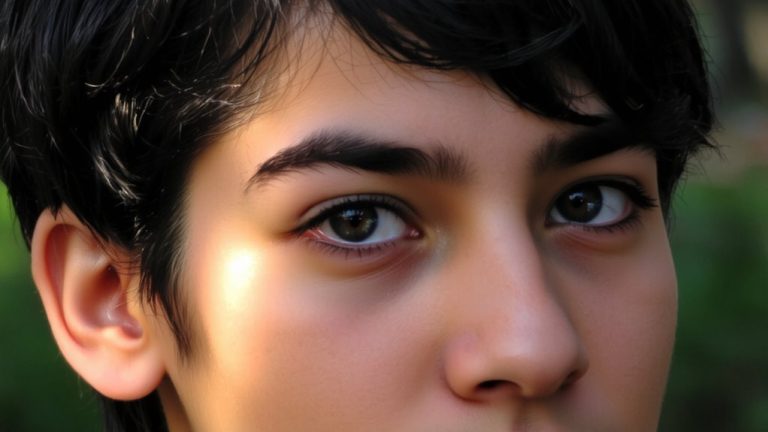
Best Hair Color to Camouflage Thinning Hair
Choose dark chocolate brown or auburn chestnut as your base to minimize scalp visibility and create the illusion of thicker hair. Pair it with honey balayage or multi-tonal highlights for soft dimension and natural fullness, especially if you have warm or olive skin. Use babylights for subtle volume without damage. Avoid harsh contrasts or bleach-heavy processes that weaken strands. Opt for low-maintenance, root-friendly techniques like the Crème Brûlée method-testers saw fuller-looking hair for weeks, with seamless grow-out. You’ll discover smarter ways to enhance thickness and keep color vibrant.
We are supported by our audience. When you purchase through links on our site, we may earn an affiliate commission, at no extra cost for you. Learn more. Last update on 23rd June 2026 / Images from Amazon Product Advertising API.
Notable Insights
- Dark chocolate brown adds depth and minimizes scalp visibility for an instantly fuller appearance.
- Multi-tonal highlights in base-near shades create dimension and volume without harsh regrowth lines.
- Auburn chestnut with caramel streaks enhances warmth and provides contrast to simulate thicker hair.
- Honey balayage offers natural-looking dimension and soft grow-out, reducing thinning visibility.
- Avoid over-processing and harsh chemicals to prevent further damage and maintain hair integrity.
Pick the Best Hair Colors for Thin Hair
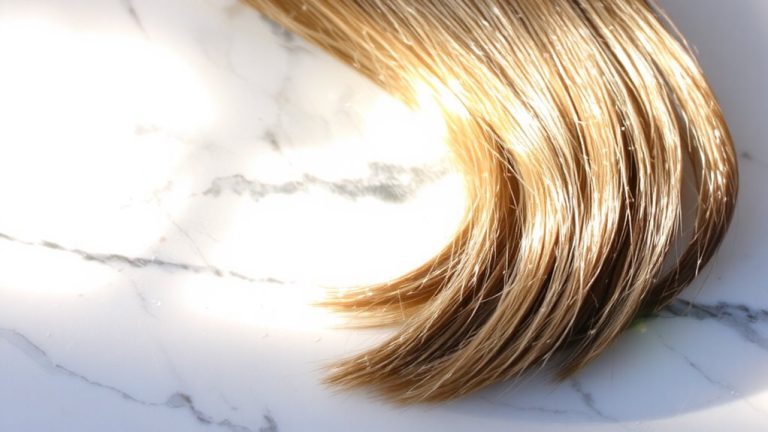
While your natural shade might feel like the safest choice, going a bit darker or adding subtle dimension can make a real difference when you’re dealing with thinning hair. Opt for dark chocolate-it’s a rich brown that acts like an optical illusion, giving the look of thicker strands, especially on olive or brown skin. Jet black offers high saturation, fully covering scalp gaps with its deep brunette depth. Try auburn chestnut with caramel-kissed streaks to warm your tone and boost density. Use multi-tonal highlights in shades close to your base to add volume without harsh lines. A honey balayage, applied with a freehand technique, sweeps warm golden tones from mid-shaft to ends, creating soft, natural fullness. This low-contrast grow-out suits fine hair perfectly, reducing touch-ups while maintaining lift and movement.
Match Your Base Color to Your Skin Tone
Choosing the right base color starts with knowing your skin’s undertone, and it’s easier than you think to get it right. If you have cool skin tones with blue or purple veins, match your base color to ash blond or ash brown-they create a natural contrast that softens thinning. Warm skin tones, showing greenish veins and golden undertones, look best with honey blond, golden brunette, or copper base colors, adding warmth and depth. Neutral skin tones blend well with a range of shades like caramel or soft auburn, while olive skin tones shine with chocolate brown or auburn chestnut, balancing golden-green undertones. Always pick a base color within two shades of your natural hue to avoid harsh regrowth lines. This seamless blend helps maintain the illusion of fuller hair and works across all skin tones.
Add Volume With Highlights and Balayage
| Technique | Best For |
|---|---|
| Balayage | Natural movement |
| Multi-tonal | Low-maintenance growth |
| Foiled | Root lift |
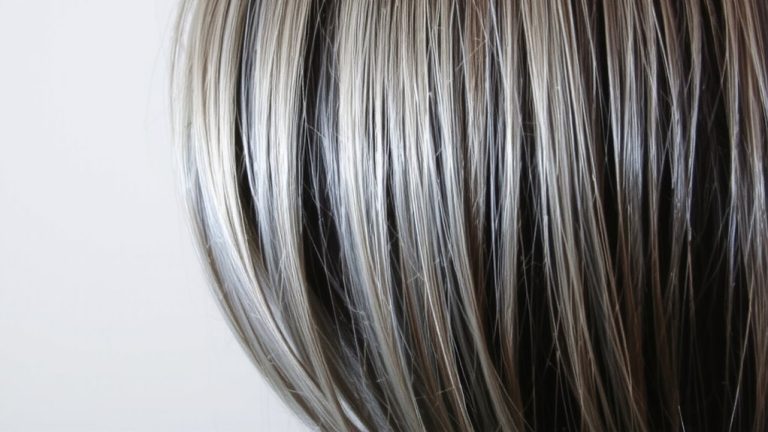
| Babylights | Illusion of thickness |
Try These 10 Trending Colors for Thin Hair
With thin hair, the right color can make all the difference in creating the illusion of thickness and shine. Choosing the best hair colors means picking shades that add depth, dimension, and light play. For a rich, flattering look, dark chocolate brown is one of the top choices-it minimizes scalp visibility and gives hair color for thin strands serious staying power. If you’re fair-skinned, neutral blonde brightens your face and makes hair appear fuller. Auburn chestnut, with its red-brown base and caramel streaks, adds warmth and volume-enhancing contrast. Try honey balayage for soft, sun-kissed dimension that grows out gracefully. For maximum fullness, multi-tonal highlights using the Crème Brûlée technique blend light and dark tones seamlessly. These colors for thin hair work with your natural texture, giving you the right hair color that’s both stylish and smart.
Avoid These Mistakes When Coloring Thin Hair
You’ve picked a shade that adds dimension and boosts fullness, but getting the color right means avoiding common missteps that can do more harm than good. Avoid over-processing by steering clear of bleach thin hair-it weakens strands and invites breakage. Skip harsh chemicals like ammonia, PPD, resorcinol, and parabens; they irritate the scalp and degrade already fragile hair. Never go for drastic color changes; stick within two shades of your natural tone to prevent obvious root lines that highlight thinning. Avoid single-process colors-they look flat and demand frequent touch-ups, increasing damage. Always use a heat protectant before styling; tools above 300°F strip color and weaken hair. Protective formulas keep color vibrant and reduce exposure. These steps prevent avoidable stress, so your tint enhances, not harms.
Keep Your Thin Hair Healthy and Color-Vibrant
A great hair color doesn’t just look good-it protects and strengthens your strands, especially when you’re dealing with thinning hair. Choose the best hair dyes, like ammonia-free, PPD-free formulas from Madison Reed or Revlon ColorSilk, packed with nourishing ingredients like keratin and argan oil. These strengthen while adding rich, permanent hair color that camouflages thinning. Opt for shades darker than your natural tone to create depth and volume. After coloring, rinse with cold water to seal the cuticle and extend vibrancy up to 30%. Limit heat styling to below 300°F and always use a heat protectant. Maintain your color for thin hair with weekly deep conditioning treatments using color-safe, sulfate-free masks with marine collagen and biotin. Schedule gloss treatments every 4–6 weeks to refresh shine and tone-no damage, just healthier-looking hair care.
On a final note
Choose a hair color close to your natural shade to blend thinning areas seamlessly, then add dimension with balayage or fine highlights-this boosts volume without damage. Stick to ammonia-free dyes like L’Oréal INOA or Olaplex No.4, which strengthen while coloring. Avoid harsh bleach or root bands; they draw attention to thin spots. Tone every 6–8 weeks, use sulfate-free shampoo, and apply a lightweight thickening spray like Big Sexy Hair Root Pump.