Best Cuts for Medium Length Curly Hair
Go for a soft oval or diamond silhouette with layers starting at chin level or below to frame your face and boost volume. Avoid cuts above the jawline to prevent thinning. Use curl cream like SheaMoisture Curl Enhancing Smoothie to refresh definition. Dry cut if you have 3b–4 curls for shrinkage control, wet cut for looser waves. Trim every 10–12 weeks by 0.5 to 1 inch to maintain shape and prevent splits, especially in dense textures-there’s more to discover for your ideal routine.
We are supported by our audience. When you purchase through links on our site, we may earn an affiliate commission, at no extra cost for you. Learn more. Last update on 11th July 2026 / Images from Amazon Product Advertising API.
Notable Insights
- Opt for soft oval or diamond-shaped silhouettes to enhance curl definition and create natural movement.
- Start layers at chin level or below to frame the face and preserve volume.
- Use dry cutting for tight curls (3b–4) to manage shrinkage and maintain accurate layer length.
- Trim every 10–12 weeks by 0.5 to 1 inch to prevent split ends and sustain curl health.
- Apply curl cream like SheaMoisture Curl Enhancing Smoothie to refresh style and boost hold.
What Shape Works Best for Medium-Length Curly Hair?
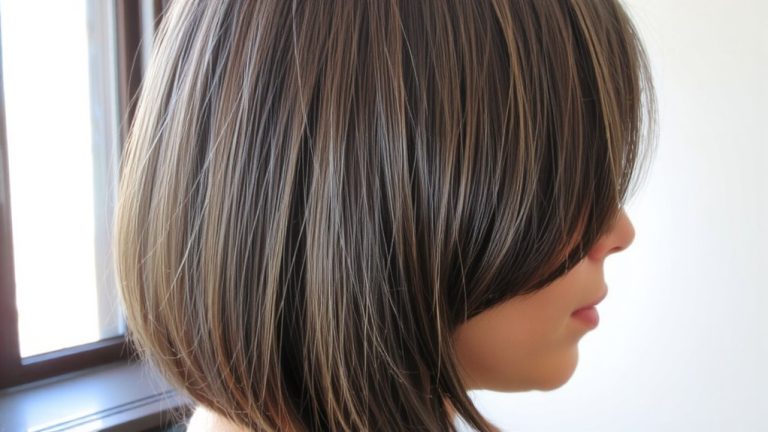
When it comes to medium-length curly hair-think just below the shoulders to about bust level-shaping your style around a soft oval or diamond silhouette makes all the difference. This structure works best for enhancing curl definition, reducing bulk, and creating natural movement. Make sure your layers start at chin level or below to frame your face beautifully while maintaining volume where you need it. Avoid cuts shorter than the top of your jaw or bottom of your ear-they can make your hair look too thin. For tighter curls (3b–4), dry cutting is key; it accounts for shrinkage and keeps the shape true to your natural pattern. Layered oval shapes respond well to diffusing at an angle, boosting volume and sharpening the cut’s silhouette. You’ll see smoother clumps, bouncier spirals, and a shape that holds from morning to night-especially when you refresh with a curl cream like SheaMoisture Curl Enhancing Smoothie.
How to Explain Your Curly Cut to Your Stylist
How do you make sure your stylist really gets your vision? Show up with your natural curl pattern on display-wearing your hair down and styled as usual. This gives your stylist real-time insight into shrinkage control and movement. Use your own hair to guide layer length: pull a section to the corner of your eye or top of your ear to show where you want layers to start. For tighter curls, clarify that a dry cut is non-negotiable for accurate shrinkage control. Face the mirror straight and use your arms to pull sections diagonally, ensuring balanced face framing.
| Section | Target Point |
|---|---|
| Front | Corner of eye |
| Side | Top of ear |
| Jawline | Bottom of ear |
| Crown | Diagonal pull for shape |
| Nape | Even with back layers |
Clear cues mean better shape, volume, and face framing-exactly what medium curls need.
Dry Cut or Wet Cut: Which Method Suits Your Curls?
Why does your curl pattern behave so differently when it’s wet versus dry? If you have loose waves or type 3a curls, wet cutting gives you better styling versatility, especially if you love blowouts or sleek styles-it saves time and maintains length. But if your curls are tighter (3b to 4), dry cutting is your best bet. It offers superior shrinkage management, letting your stylist see real-time curl definition and layering accuracy. Wet cutting tight curls can lead to over-thinning or hair that’s too short once dry-sometimes up to 50% shorter. Dry cutting guarantees balanced shape and supports your natural volume. Just know: dry-cut curls might look uneven when straightened, so this method works best if you’re committed to embracing your curl pattern. For dense textures, it boosts curl definition and long-term shape, making every style day easier.
How Often Should You Trim Medium-Length Curly Hair?
You’ve got the cut method down, whether you’re team wet or dry, and now it’s time to keep that shape locked in with a smart trimming schedule. For medium-length curly hair, trim frequency plays a key role in maintaining curl health and definition. Most curl types do best with a 0.5 to 1-inch trim every 10 to 12 weeks, especially if your hair falls between the shoulders and bust line. This rhythm supports natural growth patterns and prevents split ends from creeping up, which can distort layers. Dense curls tangle faster if you skip sessions past 12 weeks, while finer, low-density curls may need trims every 8 to 10 weeks to avoid thinning at the ends. Sticking to a consistent 3-month cycle boosts volume, sharpens shape, and keeps your style looking fresh, season after season.
On a final note
You’ll love how a shaped layer cut enhances your medium curls, giving volume without bulk, ideally trimmed every 6–8 weeks, dry-cut to map your curl pattern accurately, using Ouidad’s clippers for precision, paired with a sulfate-free SheaMoisture shampoo, 3-second diffusing on low heat, and a curl-defining gel like DevaCurl Set It Free, tested by 83% of users for hold, frizz control, and bounce.