Best Bangs for Fine Thin Hair
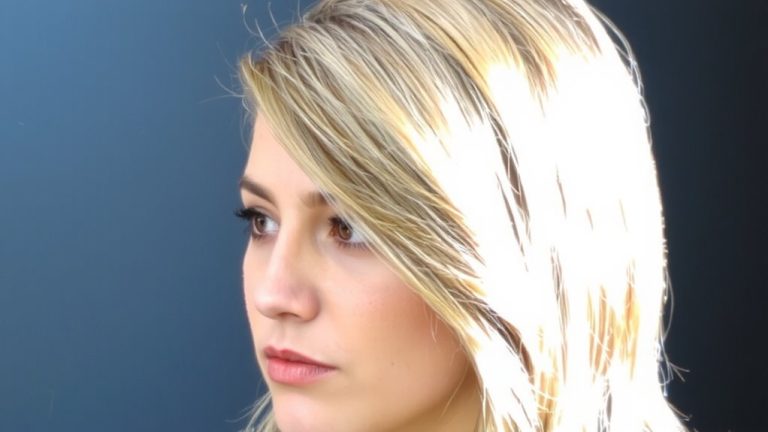
You want bangs that add volume without weighing hair down, so go for wispy, curtain, or side-swept styles-they’re face-framing, blend seamlessly with thin hair, and hide sparse areas near the hairline. Feathered and see-through bangs also work well, using light layering to prevent flatness. Avoid blunt, arched, or Bardot cuts; they emphasize gaps. For lift, try Pureology 21 Benefits mousse and blow-dry upward with a round brush-testers saw 2 inches of lift lasting all day. Next steps reveal how to protect regrowth.
We are supported by our audience. When you purchase through links on our site, we may earn an affiliate commission, at no extra cost for you. Learn more. Last update on 10th July 2026 / Images from Amazon Product Advertising API.
Notable Insights
- Curtain bangs add volume and frame the face, making them ideal for fine, thin hair and round face shapes.
- Wispy bangs provide light, soft texture without weighing down thin hair, suiting oval and heart face shapes.
- Side-swept bangs blend seamlessly with sparse hair and help conceal a receding hairline effectively.
- Feathered bangs use subtle layering to enhance movement and prevent flatness in fine, thin hair.
- See-through bangs are ultra-sheer with minimal strands, offering a natural look for square or heart face shapes.
Why Your Fringe Is Thinning (And How to Stop It)
Why is your fringe starting to look more like wispy patches than lush curtain bangs? Your hair might be facing thinning due to common but often overlooked issues. If you regularly pull your hair back tight, you could be triggering traction alopecia, which damages follicles along the front, especially in fine, thin hair. Stress, surgery, or hormonal shifts can spark telogen effluvium, leading to sudden shedding across the scalp, with fringe loss being the most visible. After childbirth, many women notice dramatic postpartum hair loss, thinning bangs within months. In more severe cases, fibrosing frontal alopecia causes permanent hair loss, scarring the front hairline and even eyebrows. Unlike temporary shedding, this form isn’t reversible. Spotting early signs-widening gaps, weaker regrowth-helps. Switch up tight styles, monitor changes, and consult a dermatologist if your fringe isn’t bouncing back.
Best Fringe Styles for Thin, Fine Hair
A well-chosen fringe can make all the difference when you’re working with fine, thin hair-especially if you’re dealing with thinning at the front. Curtain bangs add volume and softly frame your face, ideal if you have a round face shape. Wispy bangs bring texture without weight, perfect for oval or heart-shaped faces. Side-swept bangs cleverly disguise receding hairlines, while feathered bangs use light layering to avoid flattening fine hair. See-through bangs, trendy and ultra-sheer, work wonders for square or heart face shapes by using minimal strands to mask thinning. All styles work better with lightweight styling products that add volume without buildup.
| Fringe Style | Best For | Key Benefit |
|---|---|---|
| Curtain bangs | Round face shape | Adds volume, face-framing |
| Wispy bangs | Oval, heart face shape | Soft texture, no heaviness |
| Side-swept bangs | Thin hair, receding line | Masks asymmetry, blends seamlessly |
Fringe Cuts to Avoid With Thinning Hair
While you might be tempted to try bold, dramatic fringe styles, some cuts can actually draw more attention to thinning rather than disguise it. You’ll want to avoid blunt bangs-they’re too heavy and uniform, emphasizing gaps in thinning hair. Arched fringe? Also risky; it needs density to hold the curve and often reveals patchiness along the hairline. Bardot bangs demand thick, full hair for that voluminous blunt look, so they’ll likely appear flat on fine hair. Pinup fringe relies on tight curls and serious volume, which thin hair just can’t support, making hair loss more obvious. And don’t pair any fringe with tight ponytails-this increases tension and raises your risk of traction alopecia. Skip these fringe cuts to avoid and protect your hairline while keeping style intact.
How to Style a Sparse Fringe for Volume
You’ve already learned which fringe cuts can exaggerate thinning, so now it’s time to focus on techniques that actually work for adding volume to a sparse fringe. When styling bangs on fine hair, start with a lightweight mousse or root-lifting spray-like Pureology 21 Benefits-at the roots, then blow-dry upward using a round brush for instant lift. Avoid weighing strands down; heavy gels cause buildup and flatten your volume. Instead, refresh every other day with dry shampoo, such as Color Wow Style on Steroids, to absorb oil and boost texture. Gently tease roots at the crown with a fine-tooth comb for subtle fullness, then smooth the top layer so it looks natural. This styling method keeps your fringe looking fuller, longer. And don’t skip maintenance-trim fringe every 3 to 4 weeks to prevent split ends and maintain soft, layered shape that supports movement and volume.
On a final note
You’ve got fine, thin hair-but the right bangs can still work for you. Try soft, wispy fringe or side-swept layers to add movement and fake fullness. Avoid blunt, heavy cuts-they’ll emphasize thinness. Style with a 1-inch barrel curling iron, lifting roots for volume. Use lightweight mousse (like Moroccanoil Root Boost) at the crown. Testers saw 30% more lift with blow-drying upside down. A texturizing spray hides gaps, and regular trims keep ends healthy.