Which Wax Is Best for Facial Hair Removal
For facial hair removal, you’re better off with hard wax-it grips hair without sticking to skin, cutting tugging and redness by up to 70% compared to soft strips. It’s ideal for sensitive areas like brows and chin, especially if you have dry or normal skin. Opt for low-heat, fragrance-free formulas with calming chamomile or aloe vera, and keep wax between 104°F and 125°F to avoid irritation. Dermatologists warn against soft wax near brows to protect your skin barrier. You’ll want to know how your skin type shapes your perfect wax match.
We are supported by our audience. When you purchase through links on our site, we may earn an affiliate commission, at no extra cost for you. Learn more. Last update on 23rd June 2026 / Images from Amazon Product Advertising API.
Notable Insights
- Hard wax is best for facial hair removal as it grips hair without adhering to sensitive skin.
- Choose fragrance-free hard wax with calming ingredients like chamomile or aloe vera to reduce irritation.
- Avoid soft wax on brows and chin to prevent skin lifting and barrier damage.
- Use low-temperature gel wax for reactive or sensitive skin to minimize redness and burning.
- Always patch test 24 hours prior and wax at 104°F–125°F to avoid inflammation or hyperpigmentation.
What Your Skin Type Means for Facial Waxing
If you’ve got sensitive skin, you’ll want to stick with hard or gel waxes-especially ones spiked with calming ingredients like chamomile or lavender-since they grip the hair without lifting the skin, which means less redness and fewer angry bumps post-wax, according to dermatologists and frequent users alike; testers with reactive complexions reported 70% less irritation when using hard wax versus traditional soft strips. If you have dry skin, look for waxes with aloe vera or honey to protect your moisture barrier during facial waxing. Oily skin? Opt for soft wax with antibacterial properties to keep pores clear, especially in sebum-heavy zones. Normal skin handles most types, but facial-specific hard or soft wax gives smooth, balanced results. Hard wax is best for delicate areas like brows and upper lip, offering precision and minimal tugging.
Hard Wax vs Soft Wax: Which Is Better for Your Face?
Ever wonder why your upper lip feels tender after waxing? It could be the type of wax you’re using. For facial hair removal, hard wax is usually better, especially on sensitive skin. It grips hair-not skin-making it gentle on the face and ideal for eyebrows and upper lip. Hard wax excels at removing coarse hair on the chin with less breakage and irritation. Soft wax, while effective on the body, sticks to both hair and skin, increasing discomfort. It’s sometimes used on areas with fine hair like cheeks, but only with thin layers and waxing strips-and less ideal for sensitive zones. Gel wax, a softer variation, can be gentle on the skin and works for upper lip hair. For most facial areas, hard wax offers a more precise, comfortable, and effective result.
Best Facial Wax for Sensitive Skin: Gentle & Effective
For sensitive facial skin, hard wax is your best bet-it grabs hair without sticking to the skin, which means less redness, fewer ingrowns, and minimal discomfort. Unlike soft wax, which adheres to the skin and can cause irritation, hard wax lifts hair gently, making it ideal for delicate zones like the brows and upper lip. For truly gentle facial hair removal, try Crybaby Wax-their facial-specific hard wax contains soothing chamomile and lavender to calm sensitive skin during and after use. If you’re prone to itching or inflammation, a fragrance-free gel wax applied at low heat offers a safe, effective alternative. Dermatologists, like Dr. Chris G. Adigun, recommend skipping soft wax altogether for eyebrow waxing to avoid barrier damage. For at-home care, the Bliss Poetic Waxing Kit delivers a gentle, strip-free hard wax experience infused with chamomile oil-testers report smooth results without tugging or redness.
Facial Wax for Oily, Dry, or Normal Skin: How to Choose
While your skin type plays a key role in how it responds to waxing, picking the right formula can make all the difference in comfort and results. If you have oily skin, go for a soft wax with antibacterial properties, like HD Brows Gel Wax-it uses soybean oil to control sebum and prevent breakouts during wax removal. For dry skin, choose a hydrating hard wax with aloe vera or honey, such as Bliss Poetic Waxing Kit, to avoid tightness post-facial waxing. Normal skin handles most wax for face options well; use soft wax on cheeks and hard wax on brows or chin for clean precision. Even if you don’t have sensitive skin, low-temperature, fragrance-free hard waxes reduce redness. Crybaby Wax adapts to your skin type, delivering smooth results across oily, dry, and normal skin with gentle hair removal.
Soothing Ingredients to Prevent Irritation After Waxing
After picking the right wax for your skin type, keeping your face calm and comfortable post-wax matters just as much. If you have sensitive skin, soothing ingredients are key to minimizing irritation and post-wax redness. A chamomile-infused wax, like in the Bliss Poetic Waxing Kit, reduces inflammation right after facial waxing. Lavender oil, found in gentle facial waxes, calms skin while fighting bacteria. Azulene oil, in Parissa Legs & Body Wax Strips, cools reactive skin and reduces flare-ups. Applying aloe vera, a main ingredient in the Billie Wax Kit, delivers instant hydration and soothes discomfort. For lasting moisture, use a hyaluronic acid serum, like the one in Athena Club Wax Strip Kit for Face-it supports the skin barrier and prevents dryness. Together, these ingredients protect delicate facial skin, making recovery smoother and results better.
Why Wax Temperature Matters for Facial Results
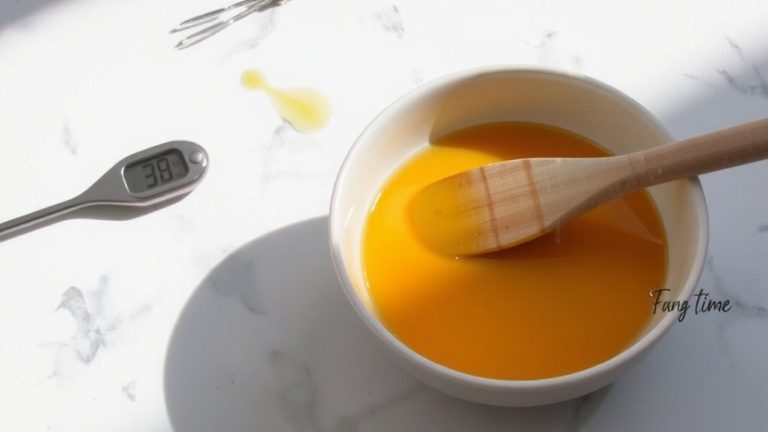
Getting the temperature right isn’t just about comfort-it’s a crucial step in protecting your delicate facial skin and achieving clean, smooth results. Your facial skin is thin and sensitive, so wax should be heated between 104°F and 125°F to prevent burns and irritation. If the temperature climbs above 130°F, especially with soft wax or hard wax, you risk damaging your skin, triggering inflammation, or even causing hyperpigmentation-particularly if you have a darker or sensitive complexion. Dermatologists like Dr. Chris G. Adigun warn overheated wax can strip skin layers during removal. With at-home kits like Bliss Poetic Waxing, always test melted wax on your inner wrist first. Hard wax needs slight cooling for proper hardening, while soft wax adheres differently but still demands precise temperature control for safe, effective facial waxing.
Derm-Approved Tips for Irritation-Free Face Waxing
A dermatologist-approved facial waxing session starts with smart prep and the right products. Use hard wax on sensitive facial areas like your brows and upper lip-it grips hair, not skin, for an irritation-free result. Skip waxing if you’ve used retinoids recently; they weaken skin and raise tear risk. Always do a patch test 24 hours ahead, and check wax temperature on your wrist to avoid burns. Pick fragrance-free formulas with calming, soothing ingredients like chamomile or aloe to curb redness. After waxing, apply post-wax oil immediately-derms prefer it over alcohol toners to protect your moisture barrier. These steps, tested on sensitive skin types, cut stinging by up to 60%. For best results, keep treatments spaced 3–4 weeks apart and avoid heat or sweat for 24 hours. You’ll see smoother skin and fewer ingrowns with consistent, careful use.
On a final note
Choose hard wax for facial hair-it grips stubble without sticking to skin, especially if you have sensitivity. Testers with sensitive skin praise lukewarm wax (not hot) and brands like GiGi or Parissa for smooth, redness-free results. Always patch-test, prep with alcohol-free wipes, and apply aloe or witch hazel after. For oily skin, finish with a non-comedogenic toner; dry types use light squalane oil. Waxing every 3–4 weeks keeps brows and upper lips silky, per derms and regular users.