Treating Ingrown Toenails at Home Before They Require Medical Attention
Soak your toe in warm water with 1–2 tablespoons of unscented Epsom salt for 15–20 minutes, 2–3 times daily to ease pain and soften skin. After soaking, gently lift the ingrown edge with sterile tweezers and slide in a fresh piece of cotton or dental floss to guide growth. Apply antibiotic ointment like Polysporin, keep tools clean with rubbing alcohol, and change the packing daily-most cases improve within a week with consistent care, and smart daily habits make a lasting difference.
We are supported by our audience. When you purchase through links on our site, we may earn an affiliate commission, at no extra cost for you. Learn more. Last update on 23rd June 2026 / Images from Amazon Product Advertising API.
Notable Insights
- Soak the affected toe in warm water with Epsom salt 2–3 times daily to reduce pain and swelling.
- Gently lift the ingrown nail edge with sterile cotton or floss after soaking to guide proper growth.
- Keep the area clean by applying antibiotic ointment and changing the cotton daily.
- Disinfect tools and wash hands before treatment to prevent infection.
- Seek medical help if there’s no improvement in seven days or signs of infection appear.
Soak Your Ingrown Toenail to Reduce Pain
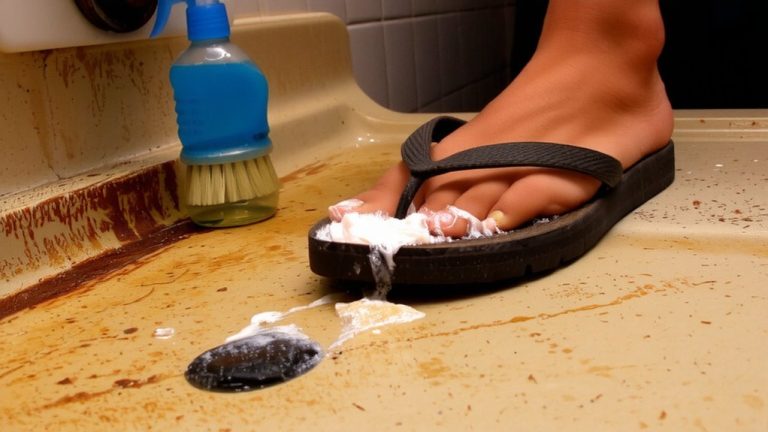
While soaking won’t cure an ingrown toenail overnight, it’s one of the most effective first steps you can take to ease the pain and start the healing process. Soak your affected foot in warm water with 1–2 tablespoons of unscented Epsom salt for 15–20 minutes, 2–3 times daily. This simple home treatment helps reduce pain, swelling, and tenderness by boosting blood flow and softening the skin around the ingrown toenail. The warm water also loosens debris or pus, while Epsom salt delivers mild antiseptic and anti-inflammatory benefits to lower infection risk. Consistent soak sessions over at least seven days support better foot care outcomes, often preventing the need for medical intervention. You’ll notice less discomfort and visible swelling within a few days, making this a reliable, accessible step in any ingrown toenail care routine.
Lift the Ingrown Edge With Floss or Cotton
How do you stop that sharp edge of nail from digging in deeper? When your toenail grows into the skin, ingrown toenails can be treated at home with simple tools. After soaking your foot in warm water, gently lift the edge. Soak for 15–20 minutes, twice daily, in warm water mixed with Epsom salt to soften the nail and skin around the nail. Once softened, use clean tweezers to guide a small piece of sterile cotton or dental floss under the ingrown corner. Place a small piece just enough to separate the nail from the tissue. This helps redirect growth and prevents further irritation. Change the cotton or floss daily during each soak to maintain gentle lift. With consistent care, most mild cases improve within days.
Keep the Area Clean and Prevent Infection
Keeping the area clean is your best defense against infection once you’ve started lifting the ingrown edge. Practice good foot hygiene by keeping your feet clean and dry. Soak the toe in warm water mixed with Epsom salt-about 1–2 tablespoons per cup of water-for 15–20 minutes, 2–3 times daily to reduce swelling and prevent infection. After you soak, gently pat the area dry and apply an over-the-counter antibiotic ointment like Polysporin to the clean skin around the nail. Always disinfect tools like tweezers with rubbing alcohol before and after use. Replace the cotton or floss under the nail daily to maintain a clean environment. Proper foot hygiene, including cleaning hands before care, helps avoid bacterial contamination. Watch for signs of infection like increased redness or pus, but don’t jump to conclusions-consistent cleaning and care often stop issues before they start.
Watch for Signs You Need a Doctor Now
What if the redness won’t back down, or you spot pus under toenail after days of soaking and careful cotton-wedging? That’s your cue to contact your doctor-pus signals a localized infection that might need antibiotics or minor drainage. If you see red streaks leading from the toe, seek immediate medical care; that means infection can spread fast. Got a fever with toe pain or swelling? Call your doctor now-this could be a systemic issue. If you have diabetes, don’t wait. Even mild symptoms demand early medical attention due to poor circulation and higher complication risks. No improvement after seven days of daily care? Time to see a doctor. Quick action prevents worse pain, deeper infection, or surgery. Watch closely-your foot’s health depends on it. Don’t downplay warning signs; early help keeps treatment simple and effective.
Treat Ingrown Toenails Before They Worsen
Why wait until every step feels sharp and swollen when you can act fast and stay ahead of the pain? At the first sign of an ingrown toenail-redness, swelling around the toe, or when the toenail grows into the skin-start treating it right away. Soak your foot 2–3 times daily in warm water mixed with Epsom salt (1–2 tbsp per basin) for 15–20 minutes to relieve pain and reduce inflammation. After soaking, gently place a small piece of cotton or unwaxed floss under the nail edge to guide growth. Apply antibiotic ointment and cover with a clean bandage. Wear wide-toe shoes and maintain good foot hygiene. Don’t wait-delaying beyond 7 days risks infection. Start early to treat ingrown toenails and prevent ingrown issues before they worsen.
| Step | Action |
|---|---|
| 1 | Soak in warm water mixed with Epsom salt |
| 2 | Insert small piece of cotton to lift nail |
| 3 | Trim your toenails straight across to prevent ingrown |
Prevent Ingrown Toenails With Smart Habits
You’ve already taken steps to address an ingrown toenail early, but staying ahead of the problem means building habits that stop it before it starts. Trim toenails straight across-never rounded-to prevent the nail from digging into the skin; improper trimming is a top cause of ingrown toenails. Leave a small white edge visible so you don’t cut too short. Use clean, sharp clippers and disinfect them regularly for proper hygiene. Soak your foot in warm water with Epsom salt post-shower, when nails soften, making care easier and less traumatic. Wear shoes with a wide toe box-tight or narrow shoes increase pressure, contributing to 20% of foot-related medical issues. Keep skin around toenails moisturized and avoid tearing or pulling at nails. These small, smart habits make a big difference in long-term foot care.
On a final note
Soak your toe in warm water for 15 minutes, twice daily, to ease pain and soften the nail, then gently lift the edge with clean floss or cotton, replacing it every 24 hours, keep the area dry and covered with a non-stick bandage, use Neosporin to prevent infection, and switch to open-toed shoes until healed-most cases improve in 3–5 days with consistent care.