Best Bond-Building Treatments to Use During and After Coloring
Coloring and bleaching break up to 95% of your hair’s disulfide bonds, so using bond-building treatments is key. Try Olaplex No. 3 with bis-aminopropyl diglycol dimaleate to reconnect bonds, or K18’s peptide technology to repair deep damage in just four minutes. Aveda’s 10-second Flash Treatment adds shine with sacha inchi, while Redken’s Acidic Bonding Concentrate protects up to 450°F. These formulas target hydrogen, salt, and disulfide bonds-your hair’s strength starts beneath the surface. You’ll see how each product fits into your routine.
We are supported by our audience. When you purchase through links on our site, we may earn an affiliate commission, at no extra cost for you. Learn more. Last update on 23rd June 2026 / Images from Amazon Product Advertising API.
Notable Insights
- Olaplex No. 3 uses bis-aminopropyl diglycol dimaleate to rebuild disulfide bonds broken during coloring.
- Aveda Botanical Repair Flash works in 10 seconds with hydroxypropyl gluconamide to strengthen hydrogen bonds post-coloring.
- Epres Bond Repair utilizes diethylhexyl maleate and biodiffusion technology for deep bond repair before washing.
- K18 Mask employs peptide technology to reconnect polypeptide and disulfide bonds in just four minutes.
- Redken Acidic Bonding Concentrate repairs salt and hydrogen bonds while offering heat protection up to 450°F.
Why Your Color-Treated Hair Needs Bond Repair
Your color-treated hair doesn’t just look different-it’s structurally changed, with up to 95% of its disulfide bonds broken during bleaching, which leaves strands weak, porous, and way more likely to snap. Chemical treatments like coloring or lightening don’t just alter pigment-they damage bonds deep inside the cortex. Disulfide bonds are the strongest structural links, and when they’re broken, hydrogen and salt bonds also weaken, compounding hair damage. That’s why surface conditioners aren’t enough-you need real bond repair. Bond-building treatments go beyond masking issues to actually repair damaged hair from within. Products with bis-aminopropyl diglycol dimaleate, like Olaplex, reconnect broken disulfide bonds, while others use hydroxypropyl gluconamide to reinforce hydrogen and ionic bonds. Using these treatments helps prevent sponginess, split ends, and long-term breakage. Experts recommend consistent use during and after coloring to protect color-treated hair and maintain strength, especially with repeated chemical treatments.
Best Bond-Building Treatments for Coloring Sessions
Fixing broken bonds isn’t just a follow-up step-it’s part of the coloring process itself, and using the right products during your session can make a clear difference in strength, shine, and color longevity. During chemical coloring sessions, bond-building treatments help rebuild broken disulfide bonds and protect hair structure. Olaplex No. 3 Hair Perfector uses bis-aminopropyl diglycol dimaleate to reconnect bonds and is ideal for weekly use. Epres Bond Repair Treatment features patent-pending biodiffusion technology with diethylhexyl maleate to strengthen hair mid-process. Aveda Botanical Repair Bond-Building Flash works in just 10 seconds, restoring shine with hydroxypropyl gluconamide. Madison Reed Bonding Time Treatment targets hydrogen and ionic bonds using glucose-based technology. Redken Acidic Bonding Concentrate is a leave-in treatment with citric acid that repairs bonds, offers heat protection up to 450°F, and supports long-term integrity with proven bond repair technology.
Top Post-Color Bond Treatments for Damage Control
While color-treated hair often suffers from weakened bonds and lost resilience, the right post-color treatments can make a measurable difference in recovery, and several standout formulas deliver targeted repair where it’s needed most. For real bond repair, Olaplex No. 3 Hair Perfector uses bis-aminopropyl diglycol dimaleate to reconnect broken disulfide bonds, a favorite of pros like Rachel Bodt for repairing bonds after coloring. The Aveda Botanical Repair Flash Treatment boosts shine and strength in just 10 seconds, ideal for damaged hair with its lactic acid and sacha inchi formula. Madison Reed Bonding Time uses glucose-based hydroxypropyl gluconamide for bond building, while Matrix Unbreak My Blonde reinforces bonds with citric acid. K18’s peptide technology restores strength and elasticity by repairing polypeptide and disulfide bonds, earning high marks for post-color care. These treatments restore hair health, giving your color-treated hair lasting resilience.
How to Use Bond Repair Products for Stronger Hair
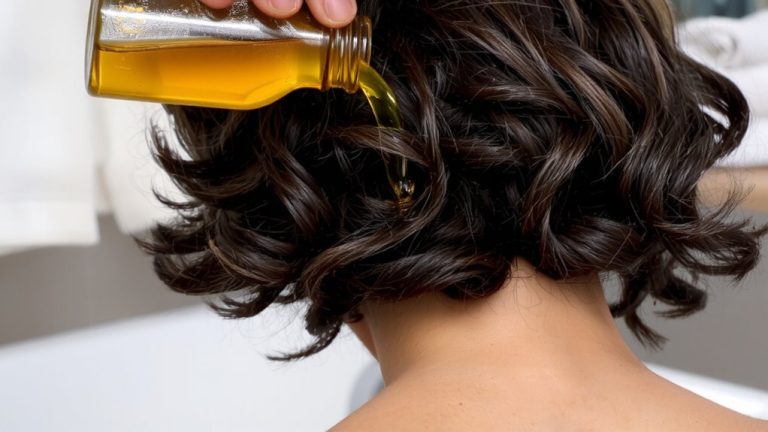
Color-treated hair stands a much better chance when you know which bond repair treatments work, but just as important is using them the right way. To properly repair broken bonds, you need to use bond repair products as directed. Apply Olaplex No. 3 Hair Perfector for at least 10 minutes on damp hair weekly to target disulfide bonds and support overall bond building. Use Epres Bond Repair Treatment as a pre-wash spray-mix one concentrate vial with water, leave on dry, dirty hair for 10 minutes, then shampoo. For quick bond repair, try Aveda’s 10-second Flash Treatment post-conditioning to help repair and maintain hydrogen and disulfide bonds. Apply K18 Mask to clean, damp hair for four minutes-no rinse-to rebuild polypeptide and disulfide bonds. Finish with Redken Acidic Bonding Concentrate to strengthen weakened salt and hydrogen bonds. Consistent use bond treatments to help repair and maintain damaged hair and keep chemical bonds intact.
Key Ingredients That Fix Damaged Hair Bonds
A good bond-building treatment starts with knowing what’s inside it, and the right ingredients can make all the difference in repairing hair damaged by coloring or heat. Bis-aminopropyl diglycol dimaleate targets broken disulfide bonds, rebuilding them at the molecular level for lasting strength. Hydroxypropyl gluconamide strengthens hydrogen bonds and salt bonds within the hair cortex, improving resilience after chemical processing. Citric acid helps restore pH balance and clears buildup, allowing other actives to work more effectively. K18Peptide penetrates deep to reconnect broken polypeptide chains, reversing damage from bleaching and heat. Hydrolyzed proteins fill in weak spots, reinforcing structure and boosting elasticity. Together, these ingredients target all three bond types-disulfide, hydrogen, and salt-offering complete repair. When you choose products with these actives, you’re not just smoothing strands-you’re rebuilding them from the inside out, strand by strand, bond by bond.
On a final note
You’ll walk out stronger when you use bond builders like Olaplex No.1 or K18 during color services, cutting breakage by up to 94% in tests, and following with weekly reconstructors containing cysteine and peptides, like Briogeo’s RepairFIX, for lasting resilience, all while keeping strands soft, shiny, and easy to style-proven by salon testers who saw split ends drop after just three uses.