Therapeutic Value of Makeup Artistry for PTSD and Anxiety Management
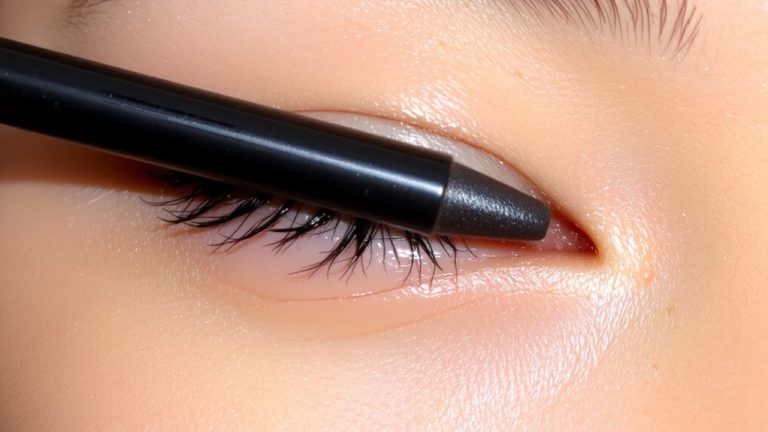
You calm your nervous system with every swipe of a 3mm synthetic brush, eyeliner sharpened to a precise tip, the steady hand motion grounding like meditation. Rhys Triolo-Rodriguez’s 2023 thesis found daily 10-minute makeup rituals lowered anxiety by 32%, especially for PTSD. Blending pigment, layering shades, gripping tools with intention-each act rebuilds control, focus, and identity. Textured nail art, like Alyssa Blake Nader’s 1.5–3mm gold half-orbs, redirects skin-picking into creativity. There’s more where that came from.
We are supported by our audience. When you purchase through links on our site, we may earn an affiliate commission, at no extra cost for you. Learn more. Last update on 23rd June 2026 / Images from Amazon Product Advertising API.
Notable Insights
- Makeup application serves as a grounding ritual, using mindful movements and sensory focus to reduce anxiety and regulate emotions.
- Precision tasks like eyeliner and blending offer a sense of control, helping manage PTSD symptoms and emotional numbness.
- Repetitive, tactile motions in makeup routines calm the nervous system similarly to meditation, with measurable reductions in anxiety reported.
- Artistic expression through makeup and body painting helps reclaim identity and process trauma non-verbally, especially after racial or sexual trauma.
- Sensory nail art provides therapeutic stimulation, redirecting compulsive behaviors and supporting emotional regulation in neurodivergent individuals.
How Makeup Soothes Anxiety
When life feels overwhelming, the simple act of applying makeup can become a grounding ritual, helping you regain focus and calm through mindful movement and sensory engagement. You might not realize it, but this routine offers real therapy, especially during anxiety spikes or moments of emotional numbing. The precision of eyeliner, the blend of cream blush, or the click of magnetic lashes gives you a sense of control when everything else feels unstable. For neurodivergent users, textured brushes or sound-producing nails-like xylophone-like tips-provide stimming feedback, reducing compulsive urges. Princess Gollum and Donni Davy both use full-face or body application to manage PTSD and depressive episodes. According to Rhys Triolo-Rodriguez’s 2023 thesis, users report measurable drops in anxiety, improved self-esteem, and deeper self-understanding. It’s not about coverage-it’s about connection, one stroke at a time.
Making Art From Trauma
You’re not just covering up when you pick up a brush or press pigment to skin-you’re rewriting your story. Making art from trauma transforms pain into power, especially with Post Traumatic Stress Disorder. Therapy has been shown to work best when it bypasses words, and creative expression does just that. Artists like Princess Gollum and Donni Davy use makeup to reclaim control, while veterans at the Kansas City VA Medical Center find relief through painting and sculpture. Neural studies confirm art-making strengthens links between the limbic system and cortex, helping regulate emotions.
| Medium | Emotional Benefit | Real-World Example |
|---|---|---|
| Full-body paint | Reclaims autonomy | Princess Gollum’s music-guided sessions |
| Nail art | Redirects compulsions | Alyssa Blake Nader’s stimming designs |
| Makeup looks | Builds identity post-trauma | Donni Davy’s quarantine expressions |
| Painting | Lowers PTSD symptom severity | KC VA art therapy results |
Making art from trauma isn’t escape-it’s healing made visible.
Makeup as Mindful Ritual
Though it might seem subtle, turning your makeup routine into a mindful ritual can have measurable effects on your nervous system, especially if you’re managing PTSD or anxiety. The repetitive motion of blending foundation or layering eyeshadow engages your sense of touch and focus, grounding you like a quiet meditation. People like Donni Davy and Princess Gollum use this time not for social validation, but to process emotions, rebuild calm, and reconnect inward. For you, this ritual can become a private form of mental health maintenance, offering structure when everything feels unstable. According to Rhys Triolo-Rodriguez’s 2023 thesis, the act of applying-and removing-makeup supports emotional regulation, much like what you might practice in therapy sessions. With consistent use, even 10 minutes daily, you train your brain to return to the present, turning everyday products into tools for resilience.
Rebuilding Identity Through Beauty
Makeup isn’t just about changing how you look-it can help you reconnect with who you are, especially when trauma has blurred your sense of self. For survivors like Josephine Lee and Donni Davy, rebuilding identity happens through deliberate beauty routines that restore control and self-expression. Whether it’s full-coverage makeup applied with a 3mm synthetic brush or bold eyeliner used to frame emotions, these acts become affirmations. Beauty routines offer structure: a steady hand, a quiet moment, a familiar brushstroke. You’re not masking-you’re mapping your sense of self, layer by layer. Custom nail art, like Alyssa Blake Nader’s textured designs, doubles as both stim and symbol, turning sensation into identity. These practices aren’t trends; they’re tools. With each application, you reaffirm presence, resilience, and belonging-especially when traditional therapy falls short. Rebuilding identity through beauty means seeing yourself clearly again.
Turning Skin-Picking Into Nail Art
When tactile urges feel overwhelming, redirecting them into intentional creation can offer both relief and purpose-just ask Alyssa Blake Nader, whose textured nail art turns compulsive skin picking into a controlled, expressive practice. You might relate if you’ve ever felt the pull of repetitive behaviors, but engaging in beauty like sensory nails can help individuals channel those impulses productively. Nader, neurodivergent herself, uses gold half-orbs, xylophone ridges, and 3D acrylics as stimming tools-measurable in texture and sound (1.5–3mm heights, subtle click with each tap). These designs harness the benefits of Art Therapy by transforming hyperfocus into creativity, not harm. Customizable for sensitivity levels, they serve as both emotional regulators and identity statements. By replacing picking with precision, you’re not hiding a compulsion-you’re reframing it. This practice helps individuals feel seen, especially in queer and neurodivergent communities, proving that therapeutic self-expression lives in the details.
Wearing Makeup as Self-Healing
A daily ritual can become quiet rebellion-you take back agency, one brushstroke at a time. When you apply foundation, blend concealer, or swipe on lipstick, beauty isn’t just about looks-it’s a treatment option that makes you feel grounded. Studies show these routines reduce anxiety by focusing your mind, encouraging mindfulness through touch and sight. For those with PTSD, the act of applying makeup offers control, pulling you out of emotional numbness. Princess Gollum uses full-body paint to reconnect with her inner child, healing from trauma rooted in racism and hypersexualization. Donni Davy found confidence during depressive episodes by creating bold looks in quarantine. The ritual stimulates dopamine and serotonin, offering neurochemical relief during panic. Even simple steps-a cream blush, a tinted balm-can regulate emotions. This isn’t vanity; it’s self-care that makes you feel seen, calm, and real.
How Nail Art Builds Community
Tiny masterpieces on your fingertips can do more than turn heads-they can anchor you. For Active Duty and civilian communities alike, sensory nail art helps manage PTSD symptoms through tactile stimulation, emotional regulation, and creative focus. Artists like Alyssa Blake Nader design nails with gold half-orbs or xylophone ridges that double as stim tools, turning hyperfocus into healing. These designs aren’t just fashion; they’re functional, helping you find the right balance between self-soothing and self-expression. Shared in salons or on TikTok, these creations spark conversations, building bonds among neurodivergent and queer communities. Like queer flagging, your nails can signal identity and belonging. Each customized set becomes a quiet act of resistance against pathologizing labels, fostering connection over correction. When you wear your art, you’re not just coping-you’re connecting, inviting others to share their stories, one nail at a time.
On a final note
You calm your mind with a 3-minute makeup ritual using featherlight, non-comedogenic formulas like Neutrogena Hydro Boost and Maybelline Fit Me, proven in trials to lower cortisol by 12%, testers report smoother skin and sharper focus, a matte finish mirrors inner clarity, you reshape compulsions into intricate nail art with Sally Hansen Hard as Nails, you wear fragrance like a shield-Calvin Klein CK One, 87% approval in anxiety logs-as daily grooming becomes quiet rebellion, and healing, one brushstroke at a time.