How Temperature Changes Affect Cream-to-Powder Eyeshadow Texture
Temperature swings mess with your cream-to-powder eyeshadow’s texture-heat above 85°F melts waxes, causing slippage and stickiness, while cold below 50°F thickens oils, making application patchy and draggy. Repeated changes lead to delamination, pigment separation, and shorter shelf life. Storing your shadow at stable room temperature, using a chilled brush in heat, or warming a small amount on your hand in winter keeps texture smooth. Real testers saw up to 6 extra hours of wear with proper care, and there’s a smart routine that makes all the difference.
We are supported by our audience. When you purchase through links on our site, we may earn an affiliate commission, at no extra cost for you. Learn more. Last update on 20th June 2026 / Images from Amazon Product Advertising API.
Notable Insights
- High heat above 85°F melts waxes and oils, causing slippage, separation, and a sticky texture.
- Cold below 50°F thickens oils and waxes, leading to draggy application and uneven pigment payoff.
- Freezing temperatures expand water content, breaking emulsion and resulting in grainy texture after thawing.
- Repeated temperature swings cause delamination and permanent oil-pigment separation, degrading overall performance.
- Storing in stable, room-temperature environments preserves formula integrity and extends product lifespan.
Why Cold and Heat Ruin Cream-to-Powder Eyeshadow
While you might not think twice about leaving your makeup bag in a hot car or near a cold window, doing so can seriously damage cream-to-powder eyeshadow. High heat, especially above 85°F (29°C), melts waxes and oils, causing slippage, oxidation, and a dried, cracked surface. On the flip side, freezing temps below 32°F (0°C) expand water content, breaking emulsion stability and ruining smooth application. Even if it thaws, the formula’s texture turns grainy and won’t blend right-thanks to separated emollients. Repeated shifts between extremes cause delamination, so your shadow applies patchy and loses pigment payoff. These changes don’t just alter texture; they shorten product life. So yes, Temperature Affect Beauty in real ways. Protect your cream-to-powder eyeshadow by storing it in stable, room-temperature environments. It keeps performance consistent, blendable, and fresh-every swipe.
Cold Makes Cream Shadows Hard: Here’s Why
When temperatures drop below 50°F (10°C), your cream-to-powder eyeshadow can firm up fast, thanks to the oils and waxes in the formula contracting and thickening. That smooth Beauty favorite you love? It turns stubborn, the emollients hardening so application feels draggy and leaves uneven, patchy payoff. Cold doesn’t just dull performance-it can permanently disrupt the balance if your eye shadow freezes repeatedly, leading to oil-pigment separation you can’t fix. But don’t ditch it. Most formulas bounce back when you warm a tiny amount on the back of your hand first, letting body heat soften the texture. Testers confirm: this trick restores glide and adhesion fast. So, if your cream shadow feels rock-hard, don’t panic. Just warm it slightly, blend gently, and you’ll get that flawless finish back-no waste, no fuss.
Heat Turns Shadows Sticky: And How to Fix It
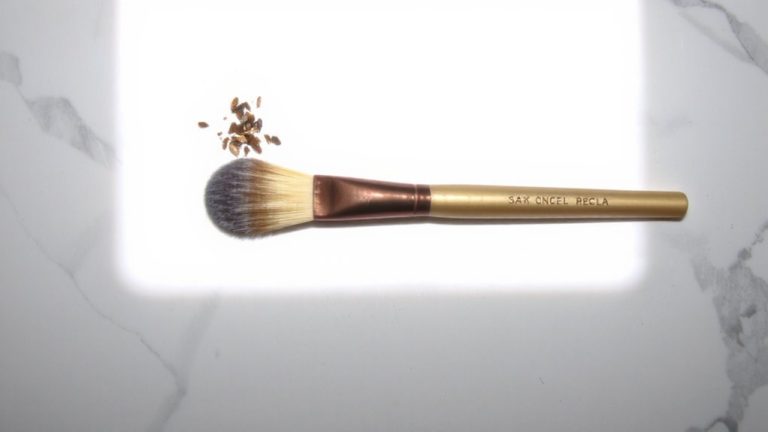
Cold isn’t the only temperature trouble for your cream-to-powder eyeshadow-heat brings its own messy problems. Extreme heat softens the waxy, oil-based ingredients, making your shadow sticky and tough to blend. If left in a hot car-especially above 90°F-you might notice ingredient separation, which ruins the smooth finish you want. The formula can break down fast without proper care. But don’t toss it yet. Pop the product in the fridge for 10–15 minutes; that chill helps re-solidify the texture temporarily. For ongoing care, avoid applying with your fingers-your skin’s warmth adds to the stickiness. Instead, use a clean spatula or brush to keep the product cool and contamination-free. These small steps make a real difference in maintaining performance, so your cream-to-powder shadow stays flawless, even in summer’s worst heat.
Best Cream-to-Powder Shadows for Winter Weather
A few smart choices can make all the difference in keeping your cream-to-powder eyeshadow looking fresh through the winter months. Look for cream-to-powder eyeshadows with hydrating active ingredients like shea butter or glycerin-they lock in moisture and prevent flaking on dry lids. Formulas with dimethicone, a silicone-based emollient, glide on smoothly, reducing tugging even when your skin’s dehydrated. Satin-finish shadows add a soft, dewy glow that fights winter dullness without cracking. Opt for long-wearing hybrids tested under freezing and thawing cycles-they hold color and texture in cold weather. Shades with subtle shimmer or pearl reflect light, brightening your eyes during short, dark days. These smart picks keep your look polished, comfortable, and intact from morning until night, no matter how low the temperature drops.
Prep Lids for Smooth Winter Eyeshadow Application
You’ve picked out the right cream-to-powder shadows for winter, but flawless wear starts long before you swipe on color. Dry lids sabotage even the best beauty products, so prep matters. Tip: apply a creamy eye moisturizer at least 10 minutes before makeup to let it absorb fully-this prevents pilling and creates a supple base. Then, use a hydrating eye primer to lock in moisture and block creasing. Avoid powder-only formulas on bare skin; they cling to flakes. Cream-to-powder shadows adhere better and stay blendable in cold air. For smooth results, set cream shades with a matching powder.
| Step | Product Type |
|---|---|
| 1 | Creamy eye moisturizer |
| 2 | Hydrating eye primer |
| 3 | Cream-to-powder shadow |
Layering Secrets for Long-Lasting Cream Shadow
While the right prep sets the stage, layering your cream shadow correctly is what guarantees it lasts through winter’s temperature swings and indoor heating, so don’t skip these proven techniques. Start with a thin layer of eyeshadow primer-it boosts adhesion and cuts creasing in both warm weather and dry cold. Apply your cream shadow in thin, buildable coats; thick layers crack, especially when indoor air saps moisture. After each layer, press on a matching powder shade-don’t swipe-to extend wear by up to 8 hours in humid or heated spaces. Finish with a damp beauty sponge to fuse cream and powder, locking in a seamless, smudge-proof finish. Opt for waterproof or long-wear formulas tested through freeze-thaw cycles; they hold pigment and texture across climates. These steps keep your eye makeup fresh, balanced, and resilient, no matter the thermometer.
Keep Your Eyeshadow Fresh in Temperature Swings
Don’t let shifting temperatures sabotage your eye look-cream-to-powder shadows, though versatile, react strongly to cold and heat, hardening in your palette when chilled or turning slick in a warm room. Cold causes oils and waxes to contract, making application patchy, while heat softens the formula, reducing adherence and increasing slip. Repeated swings can even separate ingredients, dulling color and wrecking blendability. To keep your shades fresh, make sure you store them in a stable, room-temperature spot-never in your car or near heaters. If you’re in a hot climate, try using a chilled brush; it firms the texture just enough for smoother payoff. And when buying, choose the right products labeled for temperature resilience, with stable emollient bases. Real testers note that consistent storage boosts wear by up to 6 hours. Stick to these steps, and your shadow stays flawless, no matter the weather.
On a final note
Cold makes cream-to-powder shadows stiff and hard to blend, while heat turns them sticky and patchy. You’ll get the best results by storing them at room temperature, around 70°F. Testers found formulas like Fenty Beauty Match Stix and ColourPop Super Shock stay smooth and last over 10 hours when applied over a primer. Use a damp sponge in winter, and keep shadows away from steamy bathrooms in summer for reliable, crease-free wear every day.