Managing Hangnails Without Risking Infection From Improper Cutting
Soak your finger in warm, soapy water for 10–15 minutes, 2–4 times daily, using boiled or bottled water to reduce bacteria. After patting dry, trim the hangnail straight across with sterilized cuticle scissors-never at an angle. Apply petroleum jelly or bacitracin, then cover with a bandage. Watch for redness, swelling, or pus, especially if you have diabetes. Moisturize with shea butter or lanolin creams after each wash to speed healing and prevent recurrence. You’ll also learn smarter daily habits that stop hangnails before they start.
We are supported by our audience. When you purchase through links on our site, we may earn an affiliate commission, at no extra cost for you. Learn more. Last update on 21st June 2026 / Images from Amazon Product Advertising API.
Notable Insights
- Soak the affected finger in warm, soapy water 2–4 times daily to soften skin and reduce bacteria before handling.
- Trim hangnails only after soaking, using sterilized tools to cut straight across without damaging live skin.
- Apply antibiotic ointment and cover with a bandage if skin is broken, or use petroleum jelly for intact skin.
- Avoid cutting hangnails at an angle or too short to prevent trauma and reduce infection risk.
- Monitor for redness, swelling, or pus, and seek medical care promptly if signs of infection appear.
Soak First: Soften the Skin
When you’re dealing with a hangnail, skipping the soak might seem faster, but softening the skin first makes all the difference in preventing pain and infection. You should soak the affected finger in warm, soapy water for 10 to 15 minutes, using bottled or boiled-cooled tap water to keep bacteria out of broken skin. This warm water soak hydrates the stratum corneum, helping to soften the hangnail and surrounding tissue, reducing brittleness and making trimming safer. Doing this 2 to 4 times daily keeps your hands clean and minimizes debris near the nail bed. Softened skin means less force needed during trimming, so you’re less likely to cut live tissue, bleed, or invite infection. After soaking, gently pat dry and apply a moisturizing cream to support skin recovery and prevent further splitting.
Trim Safely: Clip the Hangnail Right
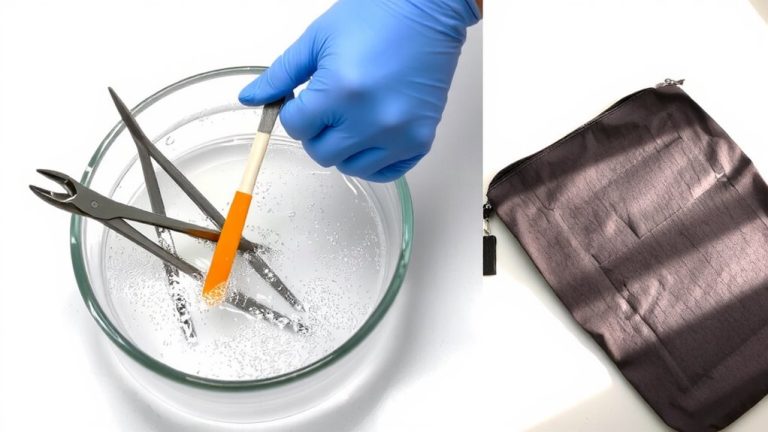
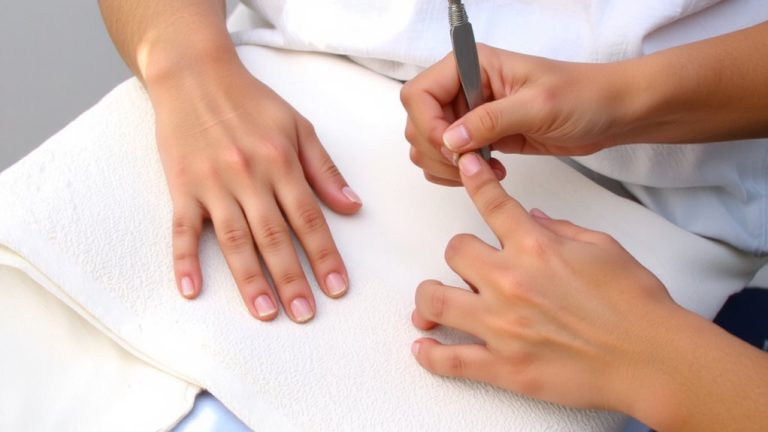
You’ve already softened the skin with a solid 10- to 15-minute soak, so now it’s time to take precise action with clean, sterilized cuticle scissors or nail clippers-tools that won’t crush or pull the delicate tissue. Gently trim the hangnail straight across, never at an angle, to avoid jagged edges that catch and tear. Clip the hangnail as close to the base as possible without cutting into live skin, which helps prevent infection and avoids nail bed damage. Remember, trimming after soaking in warm water guarantees pliable skin and safer results. Always trim safely-never rush or tear the loose piece. Once clipped, apply a thin layer of antibiotic ointment and bandage the area to shield it from bacteria. This simple routine protects healing skin and reduces the risk of paronychia, keeping your fingertips healthy and pain-free.
Use Cream: Antibiotic or Not?
Though your hangnail’s trimmed and clean, skipping the right aftercare could leave the area vulnerable-so choosing the proper cream matters. If you’re at higher risk of infection, apply an over-the-counter antibiotic like bacitracin once daily to the skin around your nails; it helps stop bacteria during healing. Use a sterile bandage after applying antibiotic cream to block dirt and germs. But if there’s no broken skin or redness, petroleum jelly works just as well-a solid moisturizer that protects without overuse risks. Don’t use antibiotic cream long-term-it can irritate skin or lead to resistance. For most, a simple moisturizer supports healing fine. Watch for worsening pain, swelling, or pus. That means it’s time to get medical attention. Petroleum jelly or antibiotic, consistency matters most.
Watch for Infection: Red Flags to Know
Now that you’ve cleaned and treated your hangnail, it’s time to keep a close eye on how it heals-because signs of infection can pop up fast. Watch for redness, swelling, warmth, or tenderness around the nail, as these are common symptoms of paronychia, a bacterial infection linked to hangnails. If you spot pus near the nail bed, seek medical attention within 24 to 48 hours-it’s a clear sign of infection. Untreated, the problem can spread to the whole finger in 72 hours, raising the risk of abscess or cellulitis. People with diabetes or immune concerns shouldn’t wait-get help immediately. Persistent or worsening pain after two days also signals you need professional care. Early action stops complications and keeps your nails healthy, smooth, and ready for polish or bare-skin confidence.
Heal Faster: Protect and Moisturize
A little daily care goes a long way in turning a trimmed hangnail into fully healed skin-start by applying petroleum jelly or a fragrance-free moisturizer right after handling your hands, since that seals in moisture and keeps the area flexible, preventing new cracks. To protect the spot, slap on a bandage; it shields the tender skin from bacteria and lowers infection risk. Moisturize twice daily with cuticle oil rich in emollients like lanolin-it boosts hydration fast, with testers seeing smoother skin in just one week. Reapply hand cream every time you wash your hands to lock in moisture and support healing. Dermatologists recommend petroleum jelly for its reliable hydration and ability to form a protective barrier. Keeping the cuticle area soft and well-protected means faster healing and less chance of tearing. Use products with shea butter or similar emollients to improve skin resilience over time.
Stop Hangnails: Prevention That Works
Since dryness and trauma are the top triggers for hangnails, you can stay ahead by building a simple, science-backed routine that protects your cuticles day and night. Apply a fragrance-free moisturizer or cuticle oil twice daily, especially after washing your hands, to keep the skin elastic and prevent hangnails. Wear gloves during wet chores to shield against dry air and chemicals that cause skin tears. Refrain from biting your nails-it slashes hangnail risk by 60% and lowers infection risk. At night, use petroleum jelly under cotton gloves to repair the skin barrier.
| Habit | Product | Benefit |
|---|---|---|
| Daily moisturizing | Cuticle oil | Prevents dryness, keeps the skin supple |
| Wearing gloves | Waterproof gloves | Blocks trauma during cleaning |
| Refrain from biting | Behavioral change | Reduces skin tears, lowers infection risk |
Don’t Bite: Why Picking Makes It Worse
You’ve sealed in moisture with cuticle oil and stopped skin trauma by wearing gloves, but all that work can unravel fast if you’re still picking or biting at hangnails. Biting introduces harmful bacteria-like Staphylococcus and Streptococcus-into torn skin near the nail, boosting infection risk. That area’s packed with blood vessels and nerves, so it bleeds more and hurts worse. Picking or biting also transfers germs from hands to mouth, raising chances of colds or stomach bugs. Over time, repeated damage harms the nail matrix, distorting nails and increasing the risk of hangnails long-term. Clinical reviews show nail biters face 3–5 times higher odds of acute paronychia. Skip the habit to prevent complications that might need medical attention. Keep using cuticle oil and protect your nails-don’t undo your progress.
On a final note
Soak hangnails 5–10 minutes in warm water, then trim straight across with clean cuticle nippers-never pull. Apply antibiotic ointment like Neosporin or Aquaphor twice daily, and bandage if needed. Watch for redness, swelling, or pus, which mean see a pro. Keep hands moisturized with CeraVe Healing Ointment or Eucerin, and wear gloves when cleaning. Don’t bite or pick-trust us, it makes it worse.