How to Use Rice Water Rinses for Strength and Growth (With Caution)
You won’t grow hair faster with rice water, but it boosts strength and reduces breakage by up to 28%, helping you keep more length. Use cooled, strained water from soaked jasmine or sticky white rice, apply after shampooing, and leave on for 10–20 minutes. Fermented versions add inositol and seal cuticles better but use just once a week to avoid irritation. Start weekly, watch for brittleness, and adjust based on how your hair responds-results vary. You’ll uncover even more effective techniques and tweaks with consistent use.
We are supported by our audience. When you purchase through links on our site, we may earn an affiliate commission, at no extra cost for you. Learn more. Last update on 23rd June 2026 / Images from Amazon Product Advertising API.
Notable Insights
- Rice water improves hair strength and length retention by enhancing elasticity and reducing breakage, not by accelerating root-level growth.
- Use high-starch white rice like Jasmine or sticky rice for maximum starch release and beneficial nutrient content.
- Prepare fermented rice water by soaking rice 12–48 hours until pH reaches 3.5–4.5 to boost inositol and antioxidant levels.
- Apply rice water after shampooing, leave on for 10–20 minutes, and rinse thoroughly to improve cuticle strength and reduce friction.
- Limit use to once or twice weekly; discontinue if irritation, brittleness, or no improvement occurs within 2–3 months.
Does Rice Water Really Boost Hair Growth?
So, does rice water actually make your hair grow faster? Not exactly-but it supports hair growth by improving hair elasticity and reducing breakage. When you use rice water for hair, especially a fermented rice water rinse, you’re giving strands a protective boost. The inositol in rice water strengthens follicles and repairs cuticle damage, while a 2010 study showed it increases tensile strength and reduces surface friction by up to 28%. Fermented rice water, with its lower pH (4–5), seals the cuticle, cuts frizz, and improves resilience. Plus, rice bran may inhibit 5-alpha-reductase, an enzyme linked to hair loss, according to a 2022 review. While no proof confirms faster root-level growth, consistent use means less breakage and better length retention-so your hair *appears* to grow faster.
Choose the Best Rice for Rice Water Benefits
You already know rice water strengthens hair and helps retain length by reducing breakage, thanks to its rich starch and inositol content, but not all rice works the same. For maximum rice starch release, go with white rice-especially Jasmine rice or sticky rice-since they produce the cloudiest water, boosting shine and strength. White rice lacks the bran layer, so it releases starch more easily than brown rice, which holds onto its bran and limits starch dissolution. Though brown rice offers more vitamins and minerals, its rice bran oil can turn rancid. Basmati rice works, but it’s less starchy than jasmine or sticky varieties. Always pick freshly harvested, organic rice when possible-it’s free from fumigation chemicals and delivers better moisture and nutrient content. Avoid imported non-organic types to protect your scalp.
Make Fermented or Plain Rice Water at Home
Making rice water at home is easier than you might think, and choosing between fermented or plain comes down to your hair’s needs and how much time you can spare. To make rice water the plain way, soak rinsed white rice-preferably jasmine or sticky-in 2–3 cups water for 30 minutes, knead to release starch, then strain the cloudy rinse water obtained. That’s your plain rice water, ready for immediate using rice water. For fermented rice water, let the soaked rice sit at room temperature for 12–48 hours until the pH drops to 3.5–4.5, boosting inositol and antioxidants. Always refrigerate after fermentation. Brown rice isn’t ideal-it gives weaker results. DIY Rice Water works best with starchy white rice, and making rice water this way guarantees freshness. Whether you choose fermented rice water or plain rice water, both can support rice water hair routines when prepared right.
Apply Rice Water for Maximum Hair Absorption
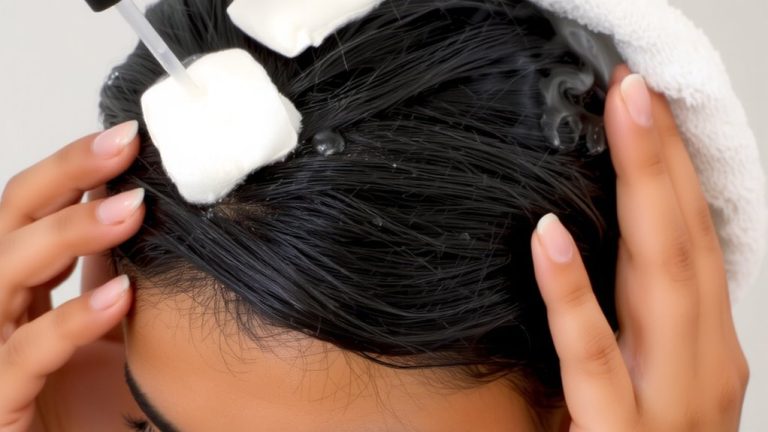
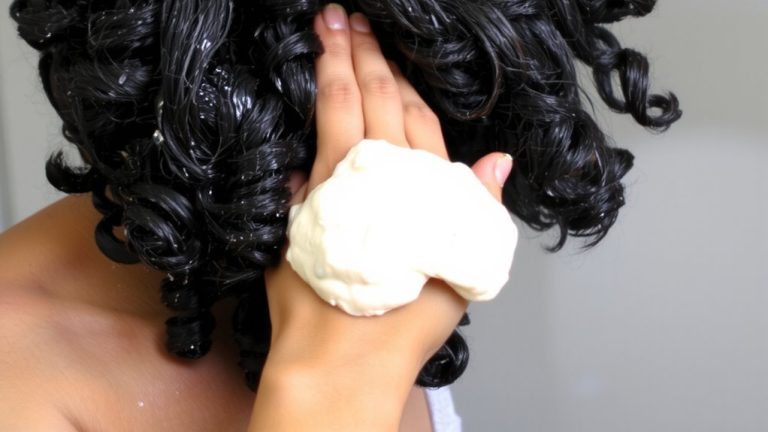
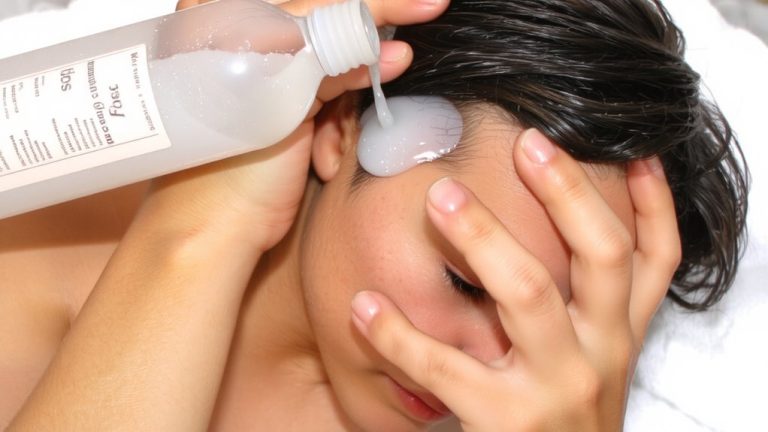
A well-executed rice water rinse can make a noticeable difference in hair strength and shine, especially when applied the right way. After shampooing, apply rice water on hair, massaging it into your scalp and strands to let starch particles and nutrients like inositol and amino acids penetrate the cuticle. Use water made from high-starch white rice-like Jasmine or Japanese short-grain-to make your own rice water with maximum benefits. Strain the mixture into a clean container to remove solids, then apply it evenly with your hands or a spray bottle. Let it sit for 10 to 20 minutes, as longer contact boosts elasticity and reduces friction. For better absorption, opt for fermented rice water with a pH of 4–5, which helps close the cuticle. This simple step enhances softness and guarantees your hair reaps every benefit from the water.
Find Your Ideal Rice Water Frequency
Consistency matters just as much as application when it comes to seeing real results from rice water rinses. Start rice water using once a week for 3–4 weeks to check how your scalp and strands respond. This builds a baseline to gauge the effect of rinse water without risking overload. Even if you make a rice water batch twice weekly, don’t apply more than twice-excess can cause protein buildup, especially in low-porosity hair. Fermented rice water, though praised for its probiotics, should be limited to once a week due to its lower pH and higher chance of irritation. Over time, rice water helps improve hair strength and reduces breakage. Stick with it for 2–3 months to truly see the benefits of rice in your hair care routine. Watch for itching or flaking-stop if they occur.
Listen to Your Hair: When to Stop Using Rice Water
How do you know when a remedy stops helping and starts harming? Listen to your hair. If you notice sensitivity-itchiness, heat, or irritation-discontinue use immediately; these are signs of an adverse reaction, not progress. Stop using fermented rice water if breakage increases, as its acidity or microbes may disrupt your scalp. Avoid continued use if your hair feels stiff or brittle, a telltale sign of protein overload. Halt application if dryness or shedding worsens-excess starch or poor rinsing can clog follicles. And if, after 2–3 months of consistent use, there’s no improvement in strength or length retention, the treatment likely isn’t right for your hair type. Your results matter more than routine. Adjust, observe, and prioritize what actually works-your hair will thank you.
Can You Eat the Rice After Making Rice Water?
Ever wonder what to do with the rice left over after you’ve strained out your rice water? Good news: that rice is still edible and worth keeping. The soaking process doesn’t harm the grains-it just pulls some starch into the liquid. You’re left with nutrient-rich rice that still contains vitamins B and E, magnesium, and fiber. Cooking it afterward is easy, and because it’s already pre-hydrated, it usually cooks faster than dry rice. Just don’t reuse the same batch multiple times-each round of rice water pulls out more starch and nutrients, so flavor and nutritional value drop. One soak is fine; two is pushing it. Use it in stir-fries, bowls, or side dishes to cut waste and get the most from your ingredients. You’ll enjoy systemic benefits from amino acids and antioxidants, too. Smart, simple, and nutritious-why toss it?
On a final note
You get stronger, shinier hair with rice water rinses, but don’t overdo it-once or twice a week is enough. Fermented rice water delivers more nutrients, like inositol, which repairs damage. Always dilute it, apply after shampooing, and let it sit for 20 minutes. Rinse thoroughly. If your hair feels stiff or brittle, cut back-it’s a sign of protein overload. Use lukewarm water, not hot, to seal the cuticle.