How to Use Baking Soda as a Natural Scalp Cleanser (Safely)
Mix 1 tablespoon of baking soda with 1 cup of cooled, boiled water, then shake well to dissolve. Massage gently into your scalp for 2–3 minutes using your fingertips, avoiding nails or broken skin. Rinse thoroughly, then restore your scalp’s pH with a 70% apple cider vinegar spray, leaving it on for 3 minutes before rinsing again. Use once every 7–10 days, and never on colored, curly, or dry hair. There’s more to get right for healthier results.
We are supported by our audience. When you purchase through links on our site, we may earn an affiliate commission, at no extra cost for you. Learn more. Last update on 18th June 2026 / Images from Amazon Product Advertising API.
Notable Insights
- Mix 1–2 tablespoons of baking soda with a cup of cooled, boiled water to create a gentle cleansing solution.
- Apply the solution to your scalp using fingertips in circular motions, avoiding nails and broken skin.
- Limit contact time to 2–3 minutes to prevent irritation and over-drying of the scalp.
- Always follow with an apple cider vinegar rinse to restore the scalp’s natural pH balance.
- Use no more than once every 7–10 days to avoid disruption of scalp health and hair damage.
Why Baking Soda Cleans Your Scalp Naturally
While your scalp constantly battles oil, sweat, and leftover styling products, baking soda steps in as a no-nonsense cleanser that actually works with your hair’s physics, not against it. Its alkaline pH of 8–9 disrupts the bonds holding sebum and residue to your hair, making baking soda a powerful yet simple natural shampoo alternative. The mild abrasiveness of its crystals physically exfoliates your scalp, lifting dead skin and flakes without harsh scrubbing. Since it lacks synthetic detergents like SLS, baking soda cleans without stripping all natural oils, keeping your scalp balanced. By briefly raising your scalp’s pH to about 9.0 during washing, it loosens grime for easier rinsing. Testers report shinier hair and improved volume after consistent use, thanks to cleaner hair cuticles that reflect light more evenly. Baking soda doesn’t just clean-it resets your scalp’s foundation naturally.
How to Mix the Perfect Baking Soda Shampoo Paste
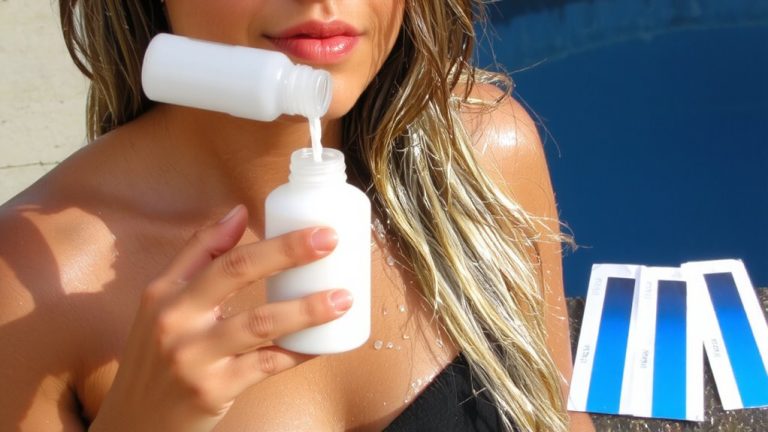
You’ve seen how baking soda’s natural chemistry lifts oil and resets your scalp, and now it’s time to put that power into practice with a custom shampoo paste that works just as well as store-bought formulas-without the long ingredient list. Start with a tablespoon of baking soda for short hair, or two tablespoons if yours is thick or long. Mix it with a cup of cooled, boiled warm water to help dissolve the powder fully and reduce contamination risks. This baking soda solution should be shaken in a sealed bottle until no grit remains. For extra scalp support, add 10 drops of lavender essential oil per cup. The warm water helps activate the baking soda’s mild cleansing power, ensuring it spreads evenly through your hair without residue. You’ll get a simple, effective rinse that feels clean and balanced-perfect for regular use.
Apply Gently to Avoid Scalp Irritation
Since baking soda’s texture is gritty and its pH sits between 8 and 9, you’ll want to apply it with care to keep your scalp from feeling raw or over-dried, especially if you have sensitive skin. To apply gently to avoid scalp irritation, use your fingertips-not nails-and gently massage in circular motions. Focus on the scalp, not the hair, and limit contact to 2–3 minutes. Avoid any broken or inflamed areas, as baking soda can worsen conditions like eczema. Use only a small amount: 1–2 tablespoons mixed with water, depending on hair length.
| Amount Needed | Hair Length |
|---|---|
| 1 tbsp | Short |
| 2 tbsp | Long/Thick |
Gently massage guarantees even distribution without abrasion. Always rinse thoroughly-no residue left behind means less risk for dryness or damage, especially for sensitive skin.
Restore pH With an Apple Cider Vinegar Rinse
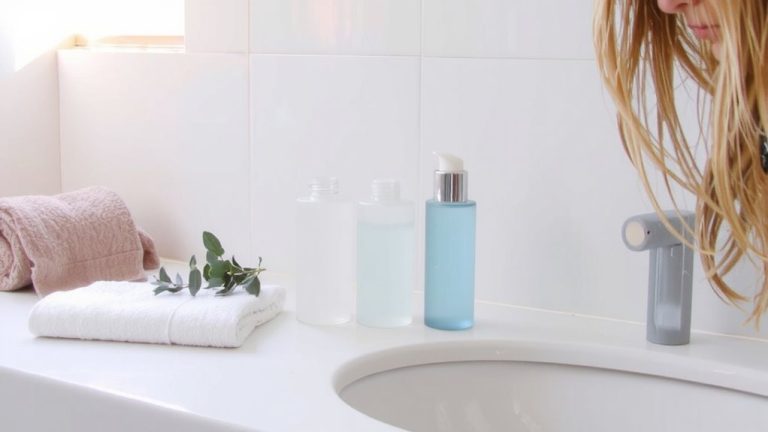
After gently massaging the baking soda cleanser into your scalp and giving it a thorough rinse, your next step keeps things balanced. Baking soda raises your scalp’s pH level to 8–9, which can disrupt scalp and hair health, so following up with an apple cider vinegar rinse (pH 2–3) helps restore your scalp’s ideal acidity of about 5.5. Mix 60–70% apple cider vinegar with water in a spray bottle, then apply it evenly. Leave it on for at least 3 minutes to rebalance pH, soften hair, and detangle. The mild acidity may also help deter Malassezia fungi linked to dandruff. Just be sure to rinse thoroughly afterward-this clears any residue and stops fizzing from leftover baking soda reacting with vinegar. Used this way, apple cider vinegar keeps your scalp stable and your hair smoother, without over-drying or buildup. It’s a smart, science-backed finish to your cleanse.
When to Avoid Baking Soda on Your Hair
While baking soda can be effective for some hair types, it’s not suitable for everyone, especially if you have curly or coarse hair-its gritty texture and high pH of 9.0 can roughen the cuticle, weaken the hair shaft, and lead to increased breakage, according to trichologist reports and user testing. If you already have dry hair and scalp, baking soda can strip natural oils, cause hair to feel brittle, and worsen moisture loss. It may also cause scalp irritation, especially if you have eczema, psoriasis, or a sensitive barrier. Skip it if you’ve colored your hair, too-it can accelerate fading. And never mix baking soda directly with apple cider vinegar in one wash; the fizzing reaction can cause hair to frizz and doesn’t boost cleansing. Avoidance protects strength, color, and scalp balance.
How Often to Use Baking Soda Safely
You’ve already learned when to skip baking soda, so now let’s clear up how often you can actually use it without doing harm. Baking soda’s pH is about 9.0, much higher than your scalp’s natural pH of 5.5, and this imbalance can lead to cuticle disruption and hair damage over time. Because it’s so alkaline, experts and the International Journal of Trichology agree it shouldn’t be used more than once every 7–10 days. You’ll want to avoid daily or even biweekly use, especially if you have curly or coarse hair, which is more prone to dryness and breakage. Overuse strips natural oils, increases porosity, and weakens strands. Arm & Hammer suggests mixing just 1 tablespoon with your shampoo for occasional clarifying-proof even manufacturers advise caution. Stick to once a week max to protect your scalp’s health and minimize pH-related damage.
Pair With Natural Oils for Healthier Hair
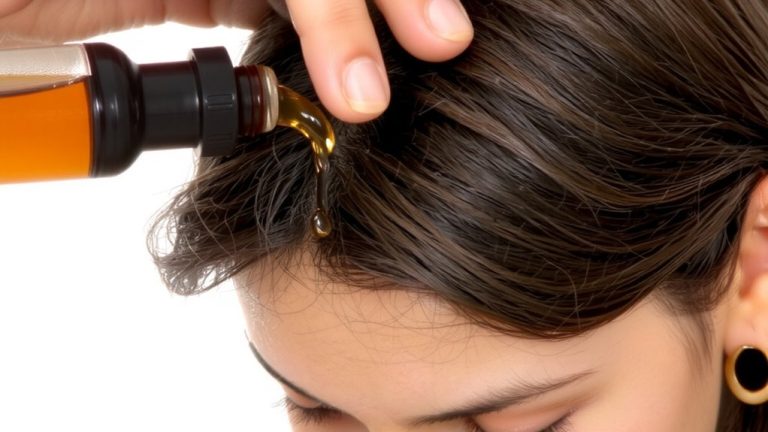
Since baking soda can throw off your scalp’s natural pH balance and leave strands feeling dry, pairing it with the right natural oils helps maintain healthier hair without sacrificing cleanliness. Adding an essential oil like lavender to your baking soda shampoo-about 10 drops per tablespoon-boosts scalp health with antimicrobial power and soothes irritation, thanks to its proven anti-inflammatory effects. After washing, follow with a vinegar rinse infused with Ylang Ylang essential oil to lock in softness and improve scent. Finish with a nourishing oil treatment like Morocco Method Euro Oil to restore moisture and support circulation. Here’s how key oils enhance your baking soda routine:
| Natural Oil | Benefit |
|---|---|
| Lavender essential oil | Reduces itch, supports growth |
| Ylang Ylang | Boosts shine, improves scent retention |
| Morocco Method Oil | Restores moisture post-wash |
On a final note
You’ve got this: use baking soda as a gentle, effective scalp cleanser once every 1–2 weeks, always diluted (1 tbsp per 1 cup water), and follow with an apple cider vinegar rinse (1:3 vinegar-to-water ratio) to rebalance pH, reduce flakiness, and boost shine-testers report smoother hair and less oil buildup in just three uses, but skip it if you have color-treated hair or sensitivity, and pair with a drop of jojoba or argan oil for added moisture and strength.