Why Temperature Fluctuations Ruin Fragrance Integrity
Temperature swings ruin your perfume by constantly expanding and contracting the bottle and cap, creating micro-leaks that let oxygen in and speed up oxidation by 2–3 times, especially between 15°C and 30°C. Heat breaks down fragile top notes like citrus and bergamot, while cold can make oils crystallize and separate from the alcohol base. UV exposure worsens this damage, darkening the liquid and flattening the scent. You’ll notice sour smells, cloudiness, or lower juice levels. Store your fragrance in a cool, dark spot like an interior closet or original box to keep it fresh. There’s more to optimizing your collection’s lifespan where consistency truly pays off.
We are supported by our audience. When you purchase through links on our site, we may earn an affiliate commission, at no extra cost for you. Learn more. Last update on 19th June 2026 / Images from Amazon Product Advertising API.
Notable Insights
- Temperature fluctuations cause glass and cap expansion, leading to micro-leaks that expose fragrance to oxygen.
- Repeated warming and cooling between 15°C and 30°C accelerates oxidation, degrading delicate scent molecules.
- Heat increases alcohol and oil reactivity, breaking down top notes like citrus and bergamot faster.
- Thermal stress weakens cap seals, allowing air in and hastening evaporation of volatile compounds.
- Cold temperatures cause oils to crystallize and separate, altering scent consistency and performance.
How Heat and Cold Damage Perfume Molecules
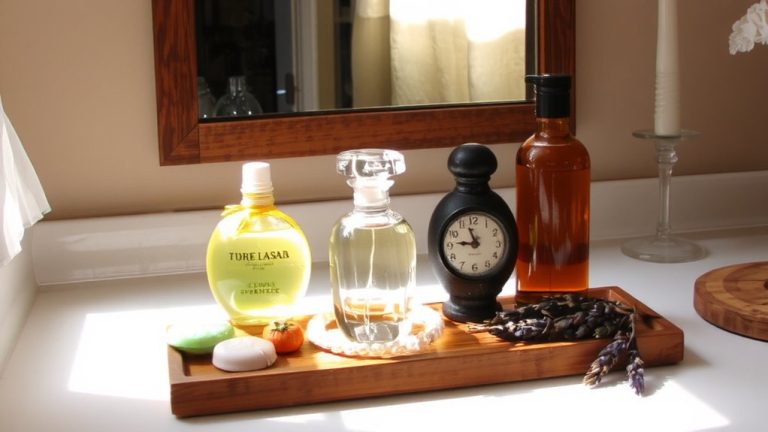
While you might not think twice about leaving your favorite eau de parfum on a sunlit dresser or in a chilly bathroom, those temperature fluctuations can seriously compromise the scent you love. Heat accelerates the evaporation of volatile compounds-especially top notes like citrus and bergamot-flattening the fragrance. Sustained temperatures above 77°F (25°C) trigger the breakdown of fragrance molecules within a month, distorting their chemical structure. Cold below freezing causes oils to crystallize, separating from the alcohol base and disrupting even diffusion. Repeated shifts in temperature stress the liquid, forcing expansion and contraction that weakens cap seals. Though oxidation is inevitable, heat accelerates it, turning fresh aldehydes rancid. UV exposure worsens this, degrading terpenes. To preserve your scent, store it in a cool, dark place-consistency is key. Protect those precious molecules.
Why Temperature Swings Speed Up Oxidation
Every time your perfume bottle heats up and cools down, it’s not just the scent suffering-those shifts are quietly letting oxygen sneak in, speeding up oxidation faster than you might think. Temperature swings cause the glass and cap to expand and contract, creating micro-leaks from thermal stress that allow air to enter. This repeated cooling and warming accelerates oxidation by 2–3 times, especially between 15°C and 30°C. Heat boosts chemical reactions, making alcohol and essential oils more reactive. Fragrance molecules like citrus terpenes and aldehydes break down faster, while evaporation and oxidation strip top notes in weeks. Bergamot turns sour, and volatile oils degrade quicker than base notes. These changes accelerate oxidation, dulling brightness and altering scent balance. Store your perfume in a stable environment-avoid bathrooms or windowsills-to slow chemical reactions and preserve integrity.
Signs Your Perfume Has Been Ruined by Heat or Cold
You’ve seen how temperature swings invite oxygen into your perfume, speeding up oxidation and breaking down delicate compounds like citrus terpenes and aldehydes. If your fragrance smells sour or vinegary, heat-triggered oxidation has likely altered its chemistry. A discolored, darkened, or cloudy liquid means UV and heat damaged the formulation, especially in clear bottles. Noticeably less liquid without use? Sustained heat above 77°F (25°C) causes alcohol and top notes-like bergamot or lemon-to evaporate, leaving a flat scent profile. Cold exposure isn’t harmless either: repeated temperature fluctuations can make oils separate or crystallize, creating a greasy texture or layered liquid. Whether it’s heat accelerating evaporation or cold destabilizing ingredients, both extremes distort your fragrance’s balance. A ruined scent profile often starts subtly, so check for these signs early and often to protect your perfume’s integrity.
Best Places to Store Perfume for Longevity
A well-preserved fragrance starts with smart storage, and your best bet is a cool, dark place where the temperature stays between 15°C and 25°C (59°F to 77°F), since consistent conditions prevent alcohol evaporation, slow oxidation, and protect delicate top notes like citrus and aldehydes. Keep your perfume in its original packaging to shield it from UV rays and store it tightly sealed to limit air exposure. Avoid high-humidity zones like bathrooms, where moisture and temperature fluctuations degrade fragrance integrity. Instead, opt for interior closets or lower dresser drawers-they offer a stable temperature and minimal light.
| Location | Light Exposure | Humidity Level | Stability Score |
|---|---|---|---|
| Bathroom | High | >60% | Poor |
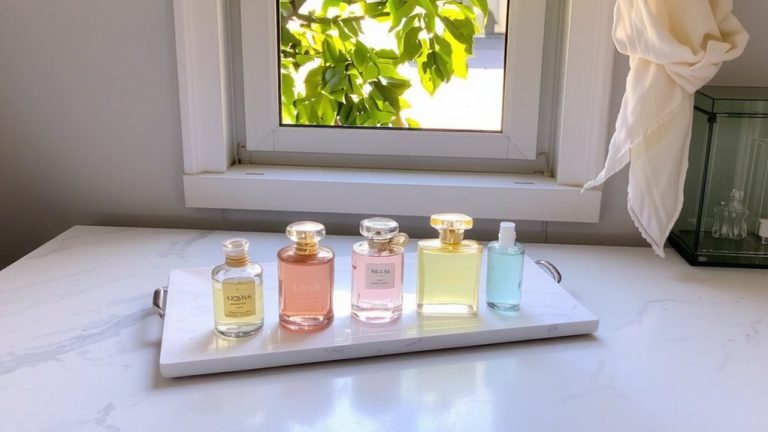
| Windowsill | Direct UV | Variable | Poor |
| Dresser Drawer | Low | ~40% | Good |
| Interior Closet | None | Stable | Excellent |
| Original Box | Blocked | Protected | Excellent |
On a final note
You’ve seen how heat and cold warp fragrance molecules, and why swings speed up oxidation-you’ll notice faded top notes, sour undertones, or weak sillage. For lasting integrity, store your fragrance at a steady 60–75°F, away from windows or steamy bathrooms. Keep bottles tightly closed, upright, and shielded from light. These small steps preserve volatility, balance, and throw, ensuring each spray performs like the first, test after test.