Why Some Perfumes Trigger Migraines and How to Avoid Them
Your migraine-prone brain processes perfume chemicals differently, with scents like phthalates and aldehydes crossing the blood-brain barrier and triggering trigeminal nerve inflammation. Over 90% of sufferers have osmophobia, making everyday products-from lotion to hairspray-risky. VOCs in “natural” fragrances still release irritants. Wear a KN95 mask, use fragrance-free, hypoallergenic skincare and HEPA + carbon air purifiers; choosing unscented, low-sensory options reduces attack frequency by up to 30%, and there’s more to discover about safer swaps.
We are supported by our audience. When you purchase through links on our site, we may earn an affiliate commission, at no extra cost for you. Learn more. Last update on 22nd June 2026 / Images from Amazon Product Advertising API.
Notable Insights
- Migraine sufferers often have a smaller olfactory bulb, making them more sensitive to perfumes.
- Synthetic chemicals like phthalates and aldehydes in fragrances can cross into the brain and trigger attacks.
- Over 3,000 undisclosed fragrance chemicals may cause neurogenic inflammation via the trigeminal pathway.
- Osmophobia during the prodrome phase heightens scent sensitivity, making perfumes feel overwhelming.
- Use fragrance-free products, wear KN95 masks, and ventilate spaces to reduce exposure risks.
Why Perfume Triggers Migraines in Sensitive People
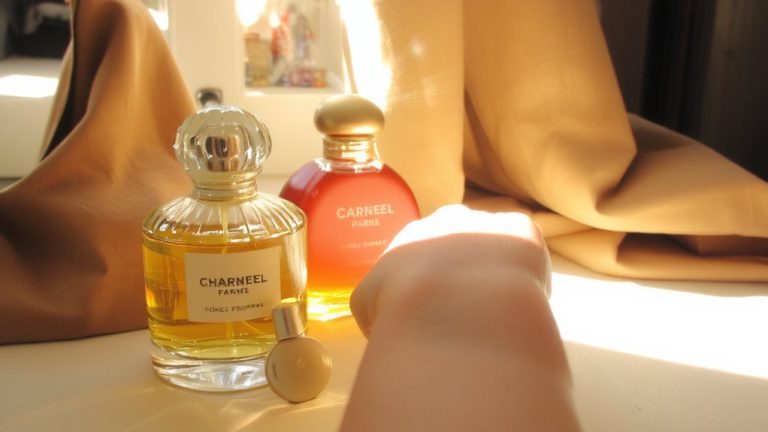
While you might not think a quick spritz of perfume could cause a full-blown migraine, for sensitive individuals, those invisible fragrance chemicals are doing far more than adding a pleasant scent. Perfumes often contain synthetic chemicals like phthalates and aldehydes, which can cross the blood-brain barrier and activate the trigeminovascular system, leading to inflammation and headaches. You’re not alone-12.6% of people report migraines triggered by smells, and up to a third of adults in the U.S., U.K., Australia, and Sweden are sensitive to scents. Fragrances trigger issues because these compounds stimulate the trigeminal nerve, especially in people with a smaller olfactory bulb. Osmophobia makes smells unbearable, often worsening during prodrome. Everyday products-lotion, hairspray, nail polish, even “clean” makeup-can emit scents that set off a migraine. Choosing fragrance-free, non-toxic formulations isn’t just safer-it’s essential for those living with smell-sensitive migraines.
Why Smells Affect Migraine Brains Differently
Because your brain processes smells differently when you have migraines, everyday scents can feel overwhelming-fast. You’re not imagining it: migraine sufferers often have a smaller olfactory bulb, especially if you experience osmophobia, which affects over 90% of people with migraines. This heightened sensitivity has a clear neurological basis. Even before pain starts, during the prodrome phase, odor sensitivity spikes-once-pleasant sensory stimuli turn irritating. Strong smells, like those in perfumes or hair sprays, trigger the trigeminal pathway, causing inflammation and discomfort. Some even report phantom smells, like burning or smoke, signaling neurological shifts, not real odors. This hypersensitivity isn’t just discomfort-it’s your brain reacting intensely to chemical signals. So when choosing fragrance-free skincare, makeup, or laundry detergents, opt for clearly labeled “unscented” products with no masking scents. These small switches help reduce exposure to overwhelming sensory triggers.
Do Perfumes Actually Trigger Migraines: or Is It a Symptom?
If you’ve ever blamed a migraine on someone’s perfume, you’re not alone-90.2% of migraine sufferers report osmophobia, and fragrances top the list of triggers, but new evidence suggests your reaction might not be about the scent itself, but your brain’s early warning system kicking in. Strong fragrances may not directly cause attacks-instead, your heightened sense of smell during the prodrome phase could make perfumes feel overwhelming. Many symptoms reported by migraineurs, like nausea or light sensitivity, start before pain, and osmophobia is no different. Phantom smells, such as burning or smoke, are an olfactory hallucination linked to aura, further proving smell changes are a neurological symptom. So when you think perfumes can cause headaches, it might actually be your brain detecting its own shift. Migraine triggers like chocolate were once misunderstood too-now it is understood they’re often prodrome signs. Trust your experience, but consider: that aversion could be an early clue, not the cause.
Common Harmful Chemicals in Fragrances to Avoid
Though you might not see them on the label, sneaky synthetics like phthalates and aldehydes are often hiding in your favorite perfumes, and they’re prime suspects when migraines strike-these chemicals can irritate your nervous system and kick off head pain fast. Alcohol and solvents, used to carry fragrance oils, evaporate quickly and can inflame nasal passages, triggering headaches. Common fragrance allergens like limonene, linalool, and cinnamaldehyde affect 12.6% of people and may provoke immune responses linked to migraines. VOCs, including formaldehyde-releasing agents, are another red flag-they activate the trigeminal nerve, sparking neurogenic inflammation. Phthalates, often in “fragrance” blends, disrupt hormones and heighten sensitivity, while aldehydes add a sharp edge that intensifies irritation. With over 3,000 unlisted perfume chemicals-many undisclosed-you’re often exposed without knowing. Steer clear of products listing “fragrance” vaguely, and skip anything with high alcohol content or known irritants.
How to Pick Safe, Low-Sensory Perfumes for Migraine
| Feature | Benefit |
|---|---|
| Hypoallergenic | Fewer skin and sinus reactions |
| Alcohol-free | Less volatile, slower release |
| Essential oils like lavender | Low-volatility, calming |
| Light fresh scents | Less likely to trigger pain |
How to Avoid Perfume Triggers Every Day
Since fragrance exposure triggers migraines in over 90% of sufferers and accounts for roughly 1 in 8 migraine episodes across the general population, cutting out hidden scent sources becomes essential for daily prevention. Switch to fragrance-free and hypoallergenic skincare, makeup, hair care, and grooming products-they skip phthalates and aldehydes that set off headaches. Keep a migraine diary to link symptoms with odor exposure, especially during the prodrome phase. Wear a KN95 mask in crowded spaces; it blocks 95% of airborne fragrance particles. At home, boost ventilation and use air purifiers with a HEPA filter and activated carbon to trap scent molecules. These filters reduce indoor fragrance levels, easing stimulation on the trigeminal pathway. Real users report fewer attacks when combining these steps-especially in offices or transit with unpredictable perfume exposure.
On a final note
You can enjoy fragrance without risking migraines by choosing wisely, opting for unscented or naturally derived options, and avoiding common irritants like phthalates, limonene, and synthetic musks, tested formulas with zero ethanol or in roll-on carriers often feel gentler, apply sparingly-two dabs max-on pulse points, always patch-test first, and store bottles in cool, dark places to preserve stability, your senses (and skin) will thank you.