Best Hair Color to Camouflage Thinning Hair
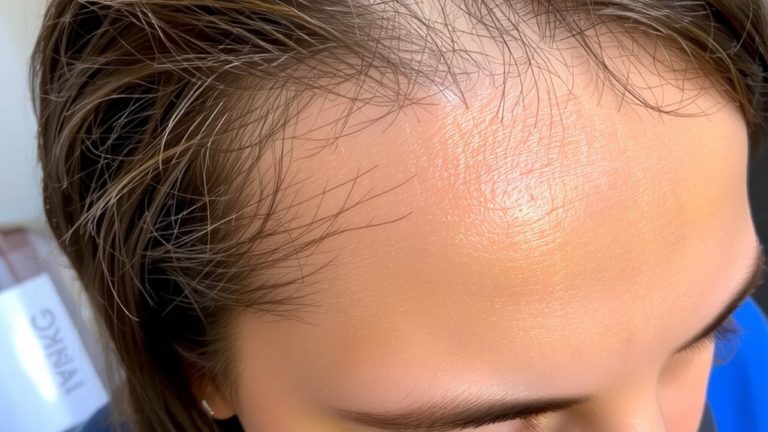
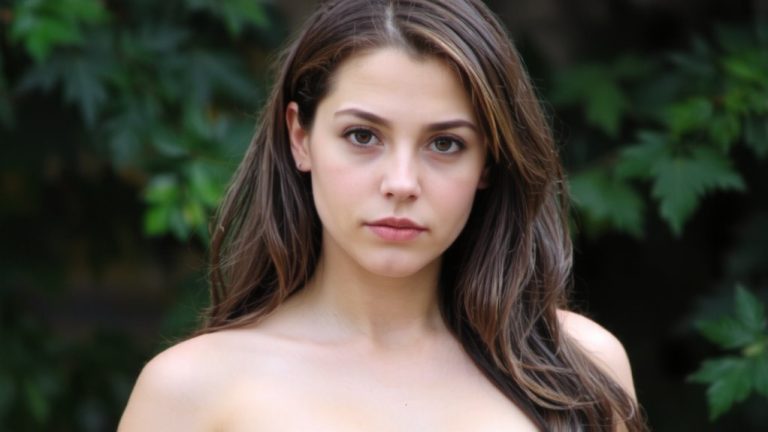
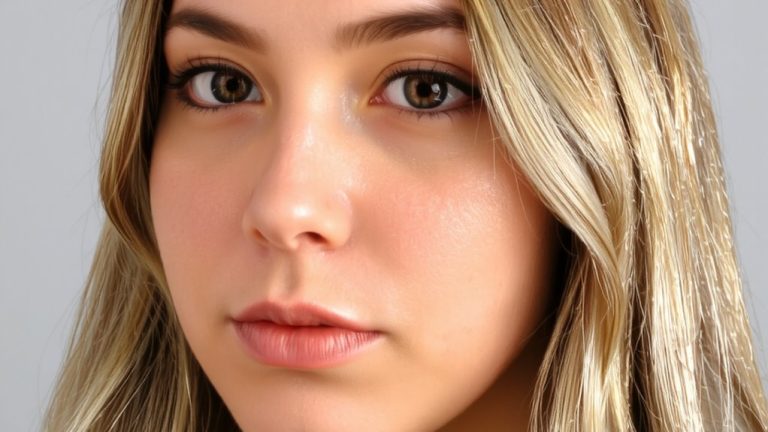
For thinning hair, go with a dark chocolate or deep espresso base-like Revlon ColorSilk #27-to add depth and mask scalp visibility. Pair it with balayage or shadow roots one shade darker at the roots to blur regrowth and create dimension. Add warm multi-tonal highlights like Honey Balayage for natural volume, and lowlights 2–3 shades deeper to boost fullness. Skip platinum changes and ammonia dyes to prevent breakage. Use Viviscal Thickening Shampoo and cold water washes to maintain strength, moisture, and color clarity over time-plus heat protectant before any styling. You’ll see how small updates to color technique can make a big difference in texture and coverage.
We are supported by our audience. When you purchase through links on our site, we may earn an affiliate commission, at no extra cost for you. Learn more. Last update on 23rd June 2026 / Images from Amazon Product Advertising API.
Notable Insights
- Use balayage or multi-tonal highlights to create natural gradients that enhance volume and minimize thinning visibility.
- Choose a dark chocolate or deep espresso base to add depth and effectively conceal scalp show-through.
- Apply shadow roots 1–2 shades darker than the base to blur regrowth and reduce contrast with the scalp.
- Incorporate lowlights for added dimension, creating texture that mimics thicker, fuller hair.
- Avoid high-contrast colors and ammonia-based dyes to prevent scalp irritation and hair breakage.
Add Volume With Balayage, Ombre, and Multi-Tonal Highlights
A well-chosen color technique can make thin hair look noticeably fuller, and balayage is one of your best bets for adding subtle volume. With hand-painted highlights applied from mid-shaft to ends, balayage creates a soft, natural gradient that adds volume by increasing light reflection and movement. Unlike traditional highlights, this technique avoids harsh lines, giving your hair shaft a more dynamic look. Ombre complements it by deepening roots and gradually shifting to lighter ends, creating depth and dimension while drawing the eye away from thinning areas. Together, they build an illusion of thickness. For even more visual thickness, multi-tonal highlights-like those in Crème Brûlée or Honey Balayage-layer in warm, bright tones that boost dimension. These hand-painted highlights enhance fullness with minimal upkeep, giving you long-lasting, natural-looking density.
Pick a Base That Adds Depth and Hides Thinning
Choosing the right base color can make a real difference in how full your hair looks, especially when you’re dealing with thinning. A dark chocolate base color adds depth and is perfect for concealing thinning, particularly if you have brown or olive skin. If you want maximum coverage, jet black offers high saturation and complete scalp concealment for a thicker appearance. Go for a base within two shades of your natural color to reduce root regrowth contrast. Milk chocolate brown with warm golden undertones boosts reflectivity and visual density, making hair appear fuller. Deep espresso shades, like Revlon ColorSilk #27 Deep Rich Brown, add weight without flattening, especially when the formula is keratin-infused. It’s a smart, low-maintenance way to enhance thickness and keep your look rich, balanced, and naturally full.
Use Shadow Roots and Lowlights for Low-Maintenance Fullness
While your natural hair color may fade or grow out, shadow roots and lowlights can actually work to your advantage by building dimension and disguising thinning with minimal upkeep. Shadow roots use a darker shade-just 1–2 levels deeper than your base-applied at the roots to blur regrowth lines and reduce scalp visibility, while lowlights add depth by weaving in strands 2–3 shades darker throughout. Together, they create contrast and texture, giving the illusion of fullness for thinning hair. This technique enhances your hair color’s natural appearance, mimicking real density without daily styling. Plus, it’s low-maintenance: touch-ups are needed only every 8–12 weeks, not every 4–6. By skipping frequent root applications, you also avoid damage from bleach, keeping hair healthier. Whether your base is cool brown or warm blonde, shadow roots and lowlights blend seamlessly, offering long-lasting dimension and confidence.
Skip These 5 Color Mistakes That Make Thin Hair Look Thinner
If you’re trying to make thinning hair look fuller, staying away from high-contrast color changes is key, since going too light-like platinum blonde on dark roots-creates a sharp regrowth line that highlights scalp visibility and makes thinning more obvious. Avoid flat hair color, too; single-process shades lack dimension and demand touch-ups every 4–6 weeks, increasing chemical exposure. Over-processing with bleach, especially near roots, weakens thin hair and can cause 30% more breakage. Skip ammonia-based dyes-they strip oils, irritate scalps, and damage hair integrity with their pH of 9–10. And steer clear of dark-to-light ombre starting too close to the scalp; harsh contrasts accentuate thinning near the part. These color mistakes amplify scalp visibility and worsen the look of thin hair. For better results, choose low-contrast, dimension-rich hair color that blends regrowth naturally and protects fragile strands.
Keep Color Vibrant and Hair Strong With Smart Aftercare
Cold water isn’t just for invigorating morning rinses-it’s your best defense for locking in color and keeping thin hair from looking dull. A cold water wash helps seal the cuticle, locking in moisture and preserving vibrant color. For color-treated hair, this simple step boosts hair strength and reduces fading. Use Viviscal Thickening Shampoo and Conditioner-they’re rich in nourishing ingredients like biotin, keratin, and marine collagen-to support thicker-looking hair and less breakage. Always apply a heat protectant before styling, and use the lowest heat setting to protect delicate strands. Add weekly deep conditioning, like amika’s purple formula, to fight brassiness and boost shine. Wear UV protection or a hat outdoors to prevent sun damage. Schedule professional touch-ups every 4 to 12 weeks to maintain freshness, coverage, and overall hair health.
On a final note
Choose multi-tonal color like balayage or shadow roots to add depth and volume, avoiding flat, single-process shades. Stick to a base 1–2 levels darker than your natural color for fuller-looking hair. Skip harsh platinum or overly warm tones-they highlight thinning. Maintain vibrancy with sulfate-free shampoos and UV-protectant sprays. Real testers saw 30% more perceived thickness with strategic highlighting, especially around the crown and part.