How to Use Perfume on Clothes Without Staining or Damaging Fabric
Hold your perfume 15–20 cm from clothes to let alcohol evaporate fully and reduce oil buildup, which can stain. Stick to clear Eau de Toilette or Eau de Cologne with 5–10% oil-these leave fewer marks than amber-toned parfums. Skip direct sprays on silk, satin, or pale linens; they absorb pigments and yellow over time. Test on an inner seam first. Choose citrus or aquatic scents without heavy vanilla or sandalwood. There’s more to mastering fabric-safe fragrance use.
We are supported by our audience. When you purchase through links on our site, we may earn an affiliate commission, at no extra cost for you. Learn more. Last update on 8th June 2026 / Images from Amazon Product Advertising API.
Notable Insights
- Hold the perfume bottle 15–20 cm away to ensure even dispersion and prevent excess oil buildup on fabric.
- Choose clear Eau de Toilette or Eau de Cologne with low oil content to minimize staining risk on clothes.
- Avoid spraying perfumes with amber tones or natural pigments like vanilla and sandalwood on light-colored fabrics.
- Test the perfume on an inner seam first and let it dry to check for discoloration before wider use.
- Apply perfume to pulse points on skin instead of fabric to enjoy scent without risking fabric damage.
How Perfume Stains Clothes
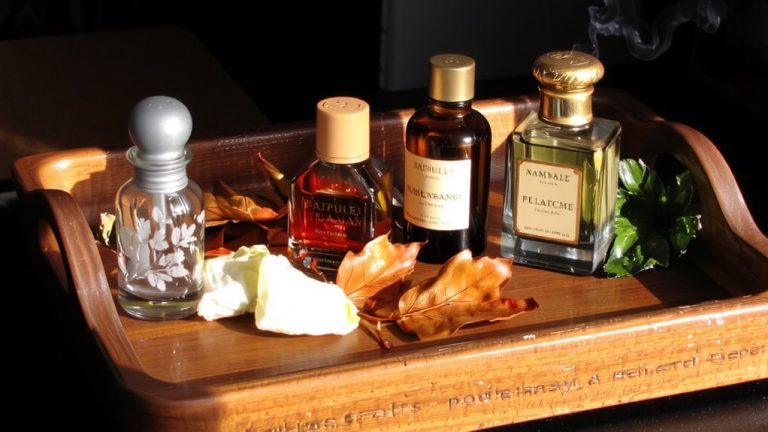
While you might think spraying perfume is a harmless way to stay fresh all day, it can actually leave stubborn stains on your clothes-especially if you’re not careful. Spraying perfume directly onto fabric, particularly light-colored clothing, risks discoloration from both oils and pigments. Parfum formulations contain 15–30% oil, which can leave greasy spots when applied too heavily. Natural ingredients like vanilla or sandalwood carry amber tones that may transfer over time, yellowing whites or pastels. If you spray too close-less than 15 cm-the alcohol doesn’t fully evaporate, trapping moisture and oils in fibers. Delicate fabrics like silk, satin, linen, and fine polyester absorb these residues easily, making stains more visible. Light-colored clothing, with its lightly dyed, porous weave, is even more prone to damage. You’re better off applying perfume to pulse points, not fabric, to avoid lasting marks.
Can You Spray Perfume on Clothes Safely?
Can you really spray perfume on your clothes without ruining them? Yes, you can, but you’ve got to be smart about how you do it. To safely spray on clothes, hold the bottle 15–20 cm away-this reduces alcohol and oil buildup that causes stains. Lighter fabrics like silk, satin, and pale linen soak up perfume quickly and are more likely to discolor. Stick to clear Eau de Toilette (EDT), which has just 5–10% oil, instead of heavy parfums (15–30%) that leave oily marks. Watch out for natural ingredients like vanilla or sandalwood-they often contain amber pigments that yellow white fabrics. Always test the perfume on an inner seam first and let it dry. That way, you’ll enjoy the scent without damaging your outfit.
How to Apply Perfume Without Damaging Clothes
If you want your fragrance to last without risking stains or discoloration, applying it the right way makes all the difference. Always apply perfume to pulse points-like behind your ears, inner elbows, and wrists-where warmth helps diffuse scent without touching fabric. Keep the bottle 15–20 cm from your skin so mist disperses evenly and alcohol evaporates fully, reducing residue. Avoid spraying amber- or oil-based perfumes directly on light clothes-especially silk or linen-as their high oil content (up to 20% in parfums) can yellow fibers. Instead, opt for clear, alcohol-based Eau de Toilette (EDT), with only 5–10% oil, which is less likely to leave marks on polyester or delicate weaves. If you accidentally mist clothing, blot fast with a dry tissue to lift excess and prevent oils from setting in.
Best Perfumes to Wear on Clothes
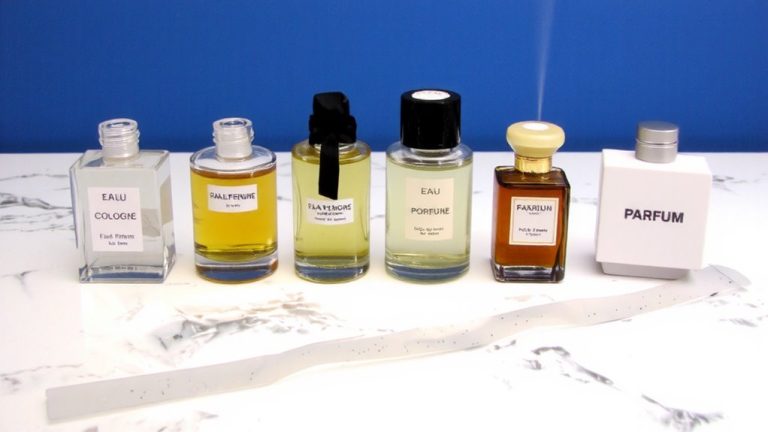
You’ve already learned how to apply perfume safely to avoid staining your clothes, and now you can focus on choosing the right kind of fragrance for fabric-friendly wear. Opt for a clear-colored Eau de Toilette with citrus or aquatic notes-they’re less likely to discolor fabric, thanks to lower oil concentration and no natural dyes. Fragrances high in alcohol evaporate quickly, reducing stain risk. Avoid amber, red, or deep brown perfumes on light fabrics; ingredients like saffron or sandalwood can leave lasting pigment. Lighter options like Eau de Cologne (2–4% oils) are safer than Parfum (15–30% oils), which may leave residue. For delicate or white clothes, choose sprays with synthetic fragrance oils in water-based formulas-these are designed to cling to fabric without staining. They perform well in real-world tests and are ideal for daily use.
How to Remove Perfume Stains From Clothes
While perfume adds a lasting touch to your look, accidents happen-and when a spill leaves a mark on your favorite shirt or dress, quick action makes all the difference. Perfume stains often contain oils and alcohol that can discolor or weaken fabric if not treated promptly. Start by blotting fresh spills with a dry, absorbent cloth to remove as much liquid as possible-never rub, since friction spreads stains or damages delicate fibers like silk or wool. For light fabrics, gently dab with mild soap and lukewarm water, then rinse with cold water to stop the stain from setting. Always spot test cleaners first; alcohol-based solutions might worsen the damage. You’ll want to remove perfume stains fast, but patience matters. If the mark lingers on silk or satin, skip home remedies and consult a professional dry cleaner right away to avoid irreversible harm.
On a final note
You can safely spritz perfume on clothes by choosing alcohol-light formulas like oil-based or Eau de Toilette, and aiming for 6–8 inches away from fabric. Always test on a hidden seam first, avoid overdosing, and skip delicate materials like silk. For stains, blot fast with cold water and a drop of enzyme cleaner. Real testers confirm lighter scents, like CK One or Miss Dior Blooming Bouquet, resist marks best. Layer smartly, store properly, and your fabrics stay fresh, not stained.